Politicsgovernments & cabinetsGovernment Formations
Hong Kong lawmakers to elect Legco president following inauguration.
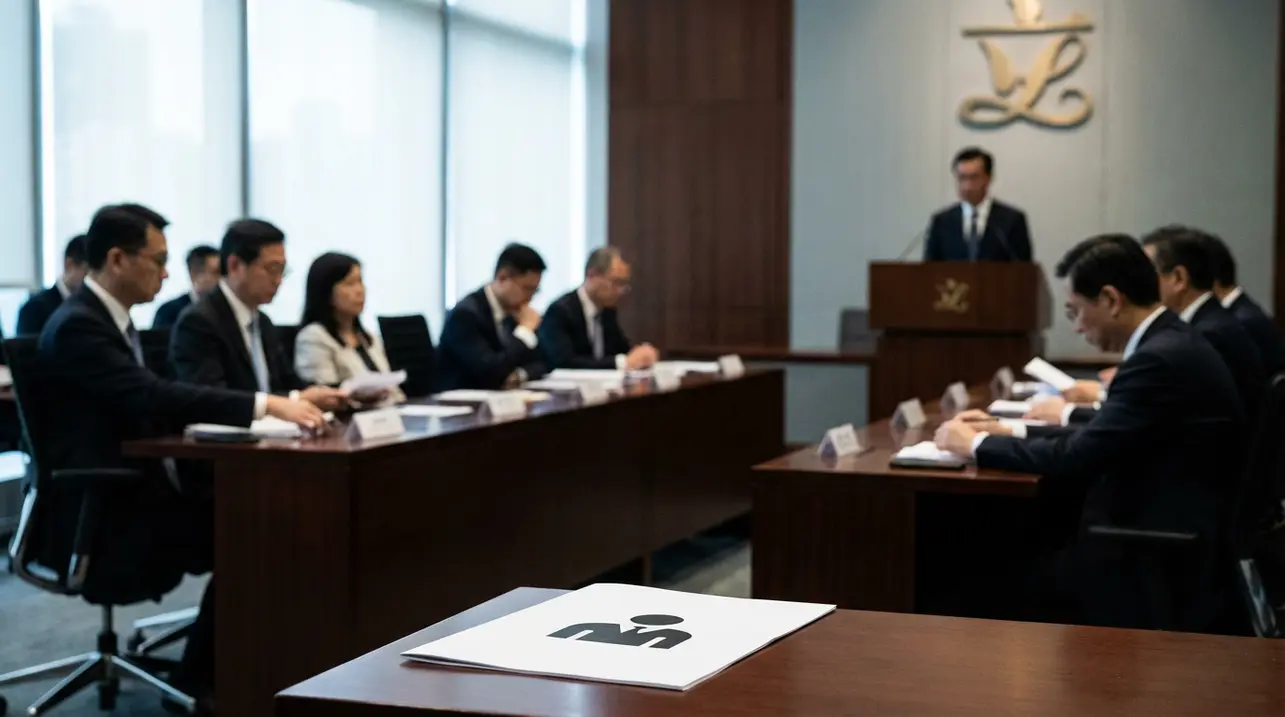
The swearing-in of Hong Kong’s new Legislative Council on January 1st, presided over by Chief Executive John Lee Ka-chiu, proceeded with the procedural solemnity one expects from such constitutional ceremonies, albeit with a minor, telling wrinkle: a handful of lawmakers required a second attempt to correctly administer their oaths. This procedural footnote, while minor, subtly underscores the heightened political precision now demanded within Hong Kong’s governance structures.The immediate and substantive task for this freshly inaugurated body is the election of its president, a vote slated for January 8th that will set the operational tone for the council’s term. More critically, however, is the interpretive lens through which the council will view Chief Executive Lee’s inaugural admonition.His call for members to act as “representatives of the public” and to elevate the interests of the nation and Hong Kong above personal political ambition and glory is not merely ceremonial rhetoric; it is a foundational directive that will define the legislature’s role in the city’s post-2020 political order. To understand the weight of this moment, one must look to recent history.The Legislative Council has undergone a profound transformation since the implementation of the National Security Law and the electoral overhaul that followed the 2019-2020 protests. The previous, often fractious and opposition-dominated legislature has been replaced by a “patriots-only” council, a design intended to ensure stability and alignment with central authorities in Beijing.This context renders Lee’s message less a suggestion and more a codification of expected conduct. The election for president, therefore, is less about political contest and more about identifying a figure who can seamlessly orchestrate a legislative agenda that harmonizes local administration with national imperatives.The role of Legco president is crucial: this individual controls the agenda, manages debates, and serves as a key liaison between the legislative and executive branches. In a system now designed for efficiency and consensus, the president’s ability to navigate this terrain while upholding Lee’s dual mandate—serving the public while prioritizing national and Hong Kong interests—will be paramount.Analysts will be watching closely to see if the council interprets “public representation” through a lens of robust, albeit loyal, scrutiny of government policies, or if it adopts a more uniformly supportive, rubber-stamp function. The international community, particularly Western governments that have expressed ongoing concerns about Hong Kong’s autonomy, will parse every early debate and committee formation for signals.Yet, within the framework established by Beijing, the primary metric of success will be legislative throughput and social stability. The historical parallel is not with Hong Kong’s own colonial-era legco, but perhaps with other consultative assemblies within one-party state systems, where the function is to refine and legitimize policy rather than to originate partisan opposition.
#Hong Kong
#Legislative Council
#President Election
#Oath Taking
#Governance
#featured