Politicsprotests & movementsClimate Activism
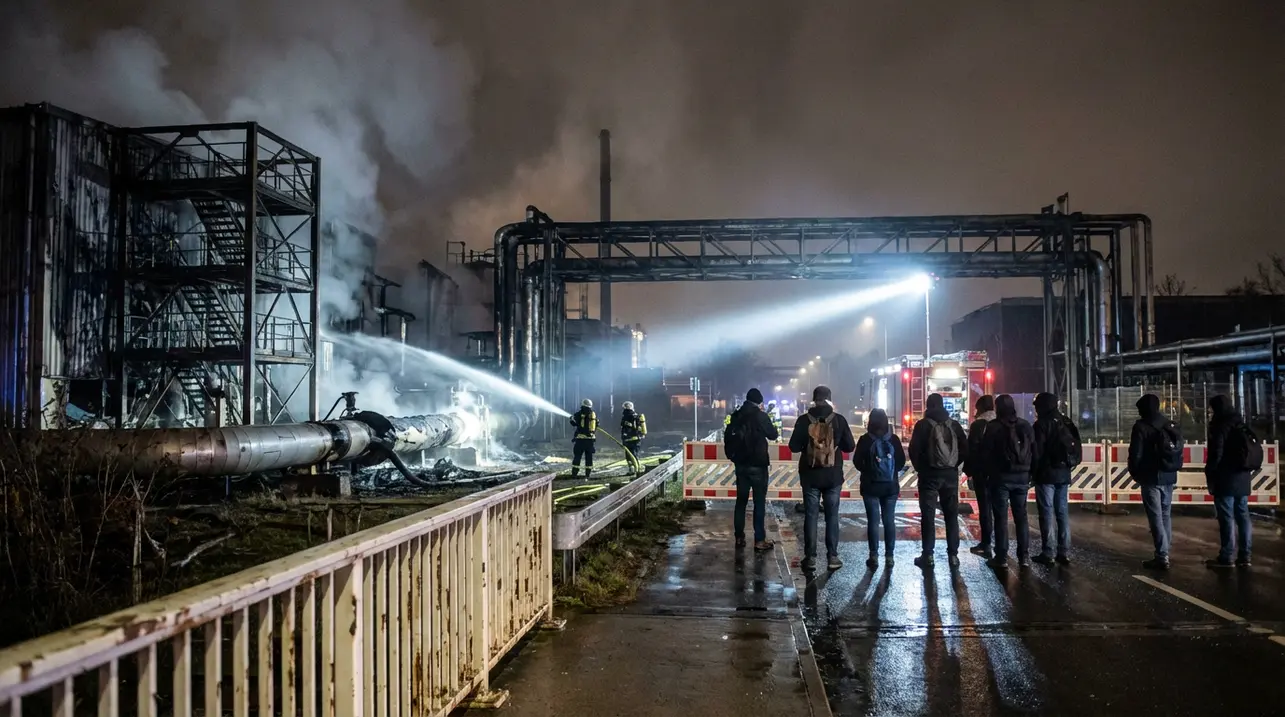
Far-left activists claim responsibility for Berlin fire targeting fossil fuel infrastructure.
In a development that underscores the deepening fault lines within Europe’s climate activism, the far-left Vulkan Gruppe has claimed responsibility for a targeted attack on fossil fuel infrastructure in Berlin. Their stated objective, articulated in a communiqué, was not to disrupt the electrical grid for citizens but to strike directly at the economic arteries of the fossil fuel industry.This act represents a significant and dangerous escalation from the more common tactics of civil disobedience and symbolic protest, moving into the realm of deliberate sabotage. To understand this moment, one must look to historical precedents; the radical environmentalist movements of the late 20th century, such as the Earth Liberation Front, employed similar tactics of property destruction, framing their actions as a 'necessary defense' against ecological collapse.The Vulkan Gruppe’s statement echoes this ideological lineage, positioning their violence not as an attack on society but as a strategic intervention against a system they deem genocidal. Analysts are now grappling with the potential consequences.On one hand, this could galvanize a fringe element within the climate movement, inspiring copycat actions and further fracturing the broader coalition that includes massive, peaceful organizations like Fridays for Future. On the other, it provides ample fodder for political actors seeking to paint all environmental activism as extremist, thereby justifying stricter surveillance and crackdowns under national security pretexts.The German state, with its painful historical memory of both left-wing and right-wing terrorism, is particularly sensitive to such developments. Security experts warn that targeting critical infrastructure, even with the purported precision of avoiding public harm, carries immense risk of miscalculation and unintended escalation.The response from mainstream political leaders has been swift and unanimous in condemnation, yet it reveals a familiar tension: while acknowledging the urgency of the climate crisis, they must unequivocally reject the methodology of violence. This incident forces an uncomfortable public reckoning with the limits of democratic protest in the face of what some perceive as an existential threat. As the investigation unfolds, the broader question for the European polity is whether its institutions can accelerate the green transition swiftly enough to drain the swamp of desperation that groups like the Vulkan Gruppe inhabit, or if we are witnessing the early tremors of a new, more confrontational phase in the climate struggle.
#activist group
#Berlin fire
#power outage
#fossil fuel protest
#Vulkan Gruppe
#featured