Politicsconflict & defenseWar Reports and Casualties
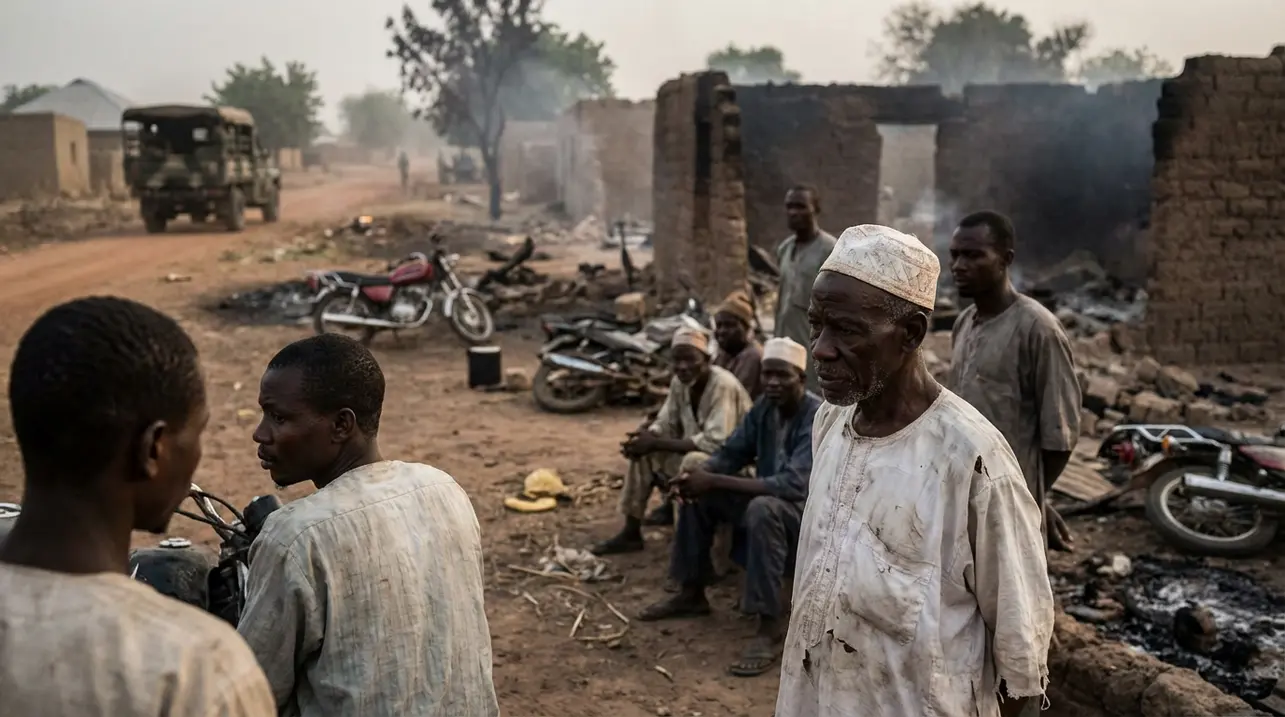
Deadly Attack on Nigerian Village Claims at Least 30 Lives
The news from Nigeria’s Niger state arrives with a sickening, grim familiarity: at least thirty lives were extinguished in a brutal attack on a village, a stark reminder that the specter of mass violence remains a relentless, daily reality for communities across the region. This latest atrocity, emerging just a day after officials tentatively suggested schools could reopen following the trauma of last year’s mass abduction, feels like a particularly cruel blow, a deliberate tearing of a fragile scab over a wound that has never been allowed to heal.To understand this event is to look beyond the headline’s casualty count and into the complex, volatile tapestry of Nigeria’s central and northwestern states, where a catastrophic convergence of militant insurgency, rampant banditry, and deep-seated communal strife has created a perfect storm of human suffering. The attackers, often loosely categorized as ‘bandits’ but operating with the sophistication and brutality of insurgent groups, typically emerge from forested enclaves to strike at soft targets—villages, schools, highways—seizing hostages for ransom, looting livestock, and sowing a psychology of terror that paralyzes governance and shatters any semblance of normal life.This isn’t random lawlessness; it’s a calculated economy of violence, where kidnapping has become a grotesquely lucrative industry and territorial control is asserted through massacre. The timing, following the announcement about schools, sends a chilling message of defiance to the authorities and underscores the profound vulnerability of civilians caught between a state struggling to project power and predatory armed groups that operate with near impunity.Context is critical here: Niger state, a vast agricultural region bordering the capital Abuja, has become a frontline in this crisis, its remote communities bearing the brunt of incursions from armed factions rooted in the neighboring northwestern states and from the lingering spillover of the Boko Haram conflict in the northeast. The Nigerian government’s response has often been a reactive cycle of military deployments and promises, hampered by intelligence failures, an overstretched security apparatus, and the sheer geographical challenge of securing thousands of scattered villages.Meanwhile, the human cost is immeasurable. Each number in the death toll represents a family shattered, a community’s fabric torn, and a generation traumatized.The forced closure of schools, a direct consequence of these abductions, represents a secondary catastrophe, robbing children of their futures and normalcy, creating what analysts term a ‘lost generation’ vulnerable to recruitment by the very groups terrorizing them. International observers point to deeper drivers: climate change-induced competition for dwindling fertile land and water, extreme poverty, and a proliferation of small arms have all fueled the conflict’s engine.
#featured
#Nigeria
#Niger state
#village attack
#casualties
#violence
#abduction
#security