Politicsconflict & defenseWar Reports and Casualties
Deadly Attack in Nigerian Village Leaves at Least 30 Dead
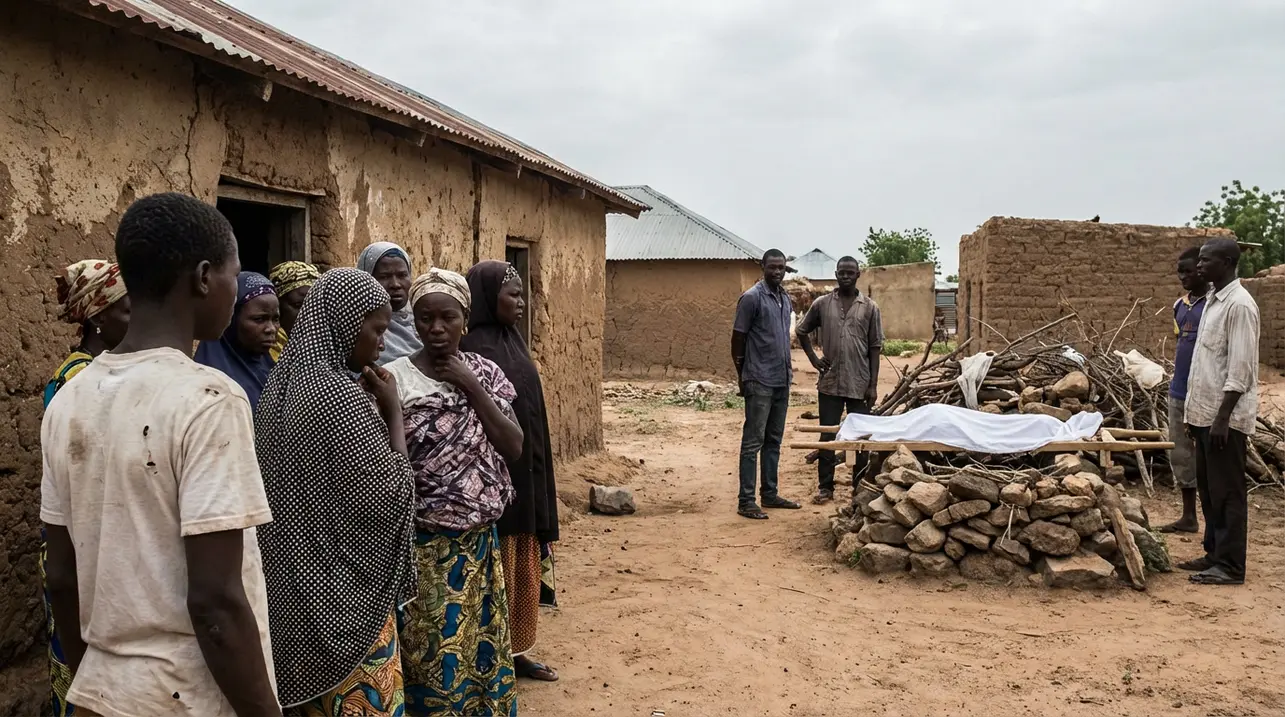
The news from Nigeria’s Niger state arrives with a sickening, grim familiarity: at least thirty lives were extinguished in a brutal village attack, a stark reminder that the specter of violence remains an unyielding, daily reality for communities caught in the crossfire of a multifaceted security crisis. This latest atrocity, emerging just a day after officials tentatively suggested schools could reopen following the traumatic mass abduction of students last year, isn't merely another statistic; it's a devastating blow to the fragile sense of security families are desperately trying to rebuild.The timing feels particularly cruel, a calculated act of terror designed to shatter any emerging hope and demonstrate the perpetrators' absolute control over the rhythm of daily life. Local reports, still emerging through the haze of chaos, paint a picture of armed assailants descending upon the community, their motives entangled in the complex web of banditry, resource conflict, and extremist insurgency that has turned vast swathes of central and northern Nigeria into a landscape of fear.For analysts monitoring the region, this attack fits a chilling pattern of escalating violence where criminal gangs and jihadist factions like Boko Haram and its splinters exploit the state's overstretched security apparatus, targeting soft civilian targets to sow maximum panic and underscore governmental impotence. The human cost is immeasurable—families torn apart, children orphaned, a community's social fabric shredded in a few hours of gunfire and chaos.Yet, beyond the immediate grief, this event forces urgent questions about the Nigerian government's strategy, which often appears reactive, fragmented, and overly reliant on military solutions that fail to address the root causes: deep-seated poverty, endemic corruption, inter-communal tensions over land and water, and a youth population with dwindling economic prospects. Experts like Dr.Nnamdi Obasi of the International Crisis Group warn that without a coordinated, socio-economic approach that combines genuine intelligence-led security operations with robust investment in development and dialogue, these cycles of violence will only intensify, pushing more regions toward complete lawlessness. The tragic irony of schools being declared 'safe' one day and a village being massacred the next highlights a catastrophic communication and intelligence failure, eroding public trust in official pronouncements.For the international community, particularly regional bodies like ECOWAS and partners including the United States and United Kingdom who provide military aid, the attack is a sobering indicator that the crisis is metastasizing, threatening not only Nigeria's stability but that of the entire Sahel. The consequences are dire: further internal displacement in a country already grappling with one of Africa's largest IDP crises, increased strain on humanitarian organizations facing funding shortfalls and access challenges, and a deepening erosion of the social contract as citizens feel abandoned by their own state.
#lead focus news
#Nigeria
#Niger state
#village attack
#casualties
#violence
#abduction
#security