Politicsconflict & defenseWar Reports and Casualties
Deadly Assault on Nigerian Village Leaves at Least 30 Dead
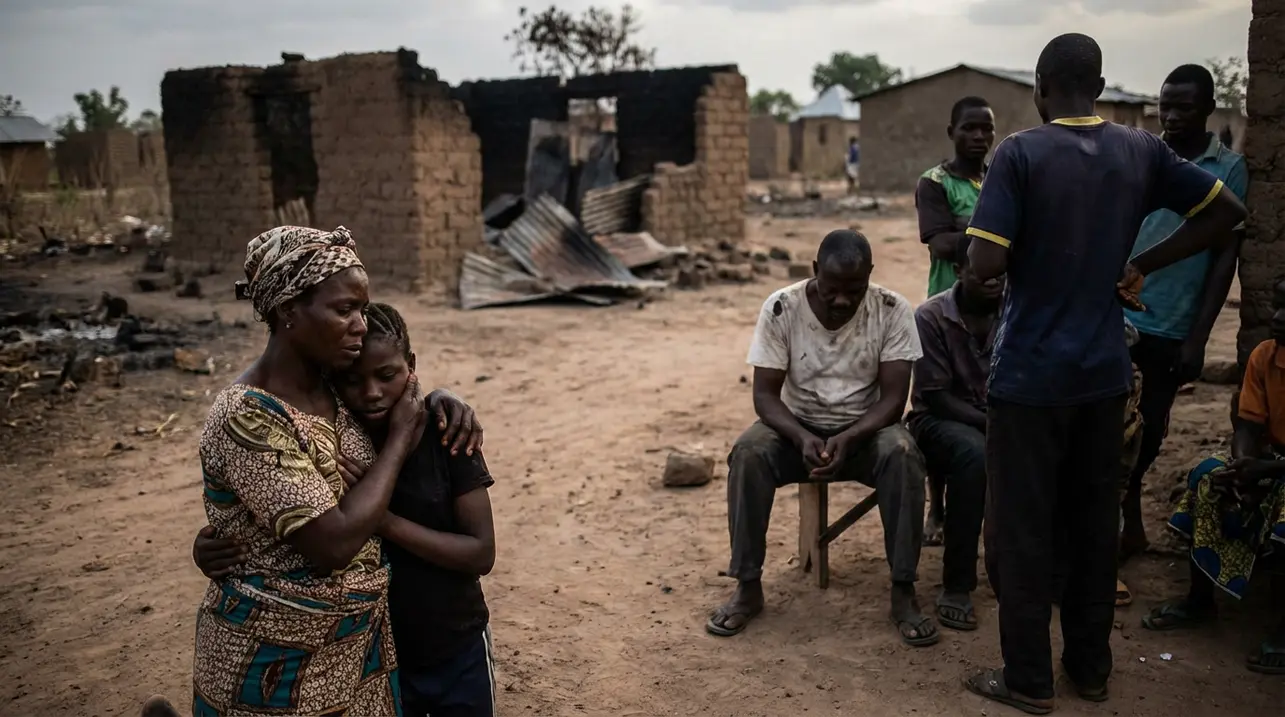
A brutal assault on a village in Nigeria’s Niger state has left at least thirty people dead, marking another grim chapter in the region’s escalating security crisis. The attack, details of which are still emerging from local officials and security sources, unfolded with a chilling familiarity, underscoring a pattern of violence that has left rural communities in a state of perpetual fear and mourning.This latest atrocity comes with a particularly cruel timing, striking just one day after state authorities had signaled a fragile return to normalcy by announcing that schools could finally reopen. Those schools had been shuttered following the mass abduction of students last year, a traumatic event that had already scarred the region.The juxtaposition is stark and devastating: a gesture toward recovery violently snuffed out by a renewed wave of terror, raising immediate and urgent questions about the government’s capacity to protect its most vulnerable citizens. The assailants, widely believed by analysts and regional security experts to be armed bandits operating from forest enclaves, typically strike with overwhelming force, targeting remote settlements where security forces are sparse and response times are slow.Their motives are a toxic blend of economic predation, rooted in cattle rustling and kidnapping for ransom, and a broader strategy to destabilize government authority and exploit the vast, ungoverned spaces of central Nigeria. This incident is not an isolated event but the latest in a relentless spate of attacks that have seen hundreds killed and thousands displaced across Niger, Kaduna, and Zamfara states over the past year alone, creating a humanitarian disaster that simmers below the headlines of international news cycles.The human cost is immeasurable—families shattered, livelihoods destroyed, and a generation of children whose education and sense of security have been irrevocably compromised. From a strategic perspective, the attack exposes the profound limitations of the current security approach, which often relies on reactive military deployments after the fact rather than sustained, intelligence-driven operations to dismantle the criminal networks at their source.Community leaders and civil society organizations have repeatedly called for a more robust, multifaceted strategy that includes not only military action but also addressing the root causes of the conflict: endemic poverty, youth unemployment, and the proliferation of small arms. Furthermore, the brazen timing, directly following the school reopening announcement, sends a deliberate message of intimidation, aiming to erode public trust in state promises and cement a climate of paralysis.Looking ahead, the consequences are dire. Without a decisive shift in policy, these attacks will continue, further straining the social fabric, fueling cycles of revenge, and potentially creating vacuums that could be exploited by more ideologically driven extremist groups operating in Nigeria’s northeast.
#attack
#Nigeria
#village
#casualties
#violence
#Niger state
#abduction
#featured