Politicsconflict & defenseWar Reports and Casualties
Deadly Assault Claims Over 30 Lives in Nigerian Village.
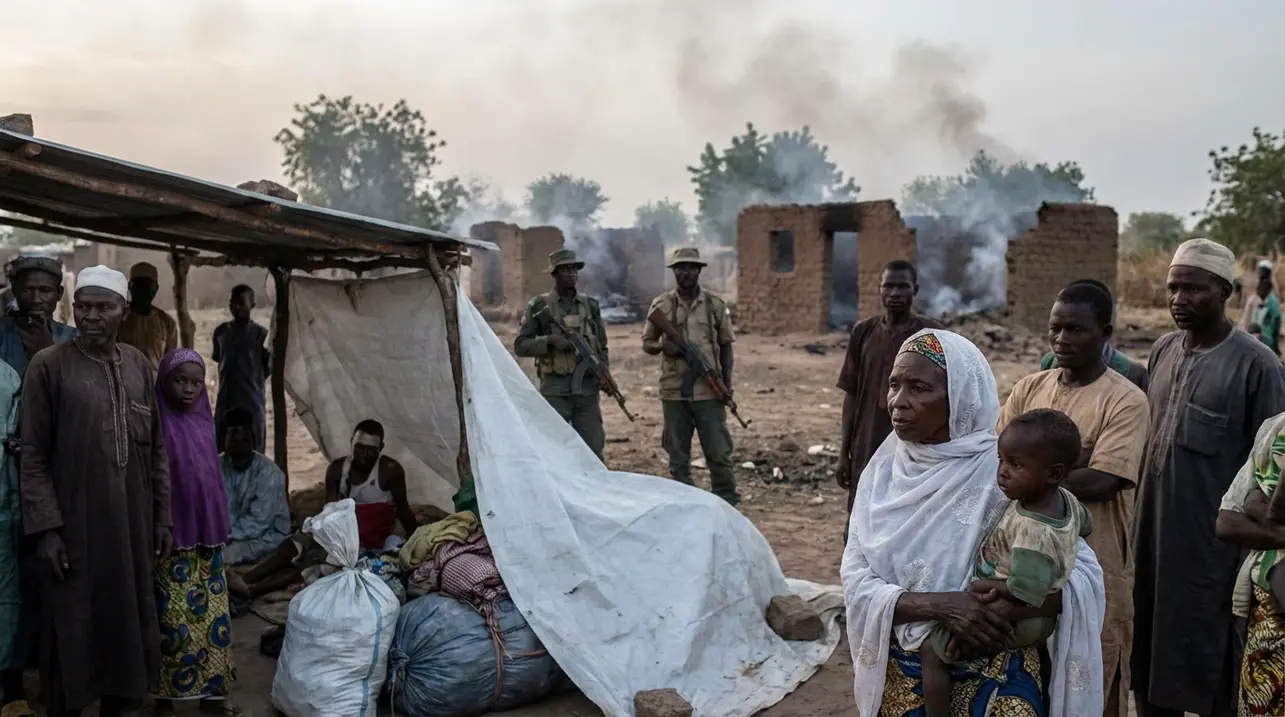
The grim toll from Nigeria’s relentless cycle of rural violence has climbed once more, with a deadly assault claiming over thirty lives in a Niger state village. This attack is not an isolated incident but the latest in a devastating spate that has left communities across the region reeling.It arrives with a particularly cruel timing, coming just a day after state officials signaled a fragile return to normalcy by announcing that schools, shuttered since a mass abduction last year, could finally reopen. That juxtaposition—a gesture toward recovery immediately overshadowed by fresh carnage—underscores the profound insecurity crippling this part of the country.The assailants, widely believed by local sources and security analysts to be armed bandits operating from forest enclaves, struck with a ferocity that has become tragically familiar. These groups, often motivated by a mix of financial ransom, cattle rustling, and territorial control, exploit the vast, ungoverned spaces of Nigeria’s north-central and northwestern regions.Their tactics are brutally simple: descend on vulnerable villages under cover of darkness or in the early hours, unleash coordinated gunfire, and then vanish before overstretched security forces can mobilize an effective response. The human cost is catastrophic, leaving behind scenes of burned homes, displaced populations, and a deepening well of communal trauma.This specific attack in Niger state must be viewed within the broader, deteriorating security landscape of Nigeria, where the government’s capacity to project authority and protect citizens in remote areas is being severely tested. Beyond the immediate banditry, the region is also contending with the lingering shadow of Boko Haram and its splinter factions in the northeast, as well as escalating farmer-herder conflicts driven by climate change and resource scarcity.Each crisis feeds into and complicates the others, creating a multi-layered emergency. The decision to reopen schools, while symbolically vital, now appears perilously optimistic, highlighting the chasm between official pronouncements and ground-level realities.Parents, already traumatized by last year’s abduction—a chilling echo of the Chibok and Dapchi schoolgirl kidnappings that drew global outrage—are now faced with an impossible choice between their children’s education and their physical safety. Security experts warn that without a significant, intelligence-driven deployment of forces to secure rural corridors and dismantle militant camps, these attacks will continue unabated.The consequences extend far beyond the death toll; they include the collapse of local economies, the disruption of farming cycles leading to food insecurity, and the erosion of public trust in state institutions. International observers are increasingly sounding alarms about the potential for these localized conflicts to further destabilize not just Nigeria, but the entire Sahel region, creating vacuums that could be exploited by more ideologically driven extremist groups.
#attack
#Nigeria
#Niger state
#village
#fatalities
#violence
#security
#featured