Politicsconflict & defenseMilitary Operations
Cocaine's Global Resurgence: A New Era of Decentralized Trafficking
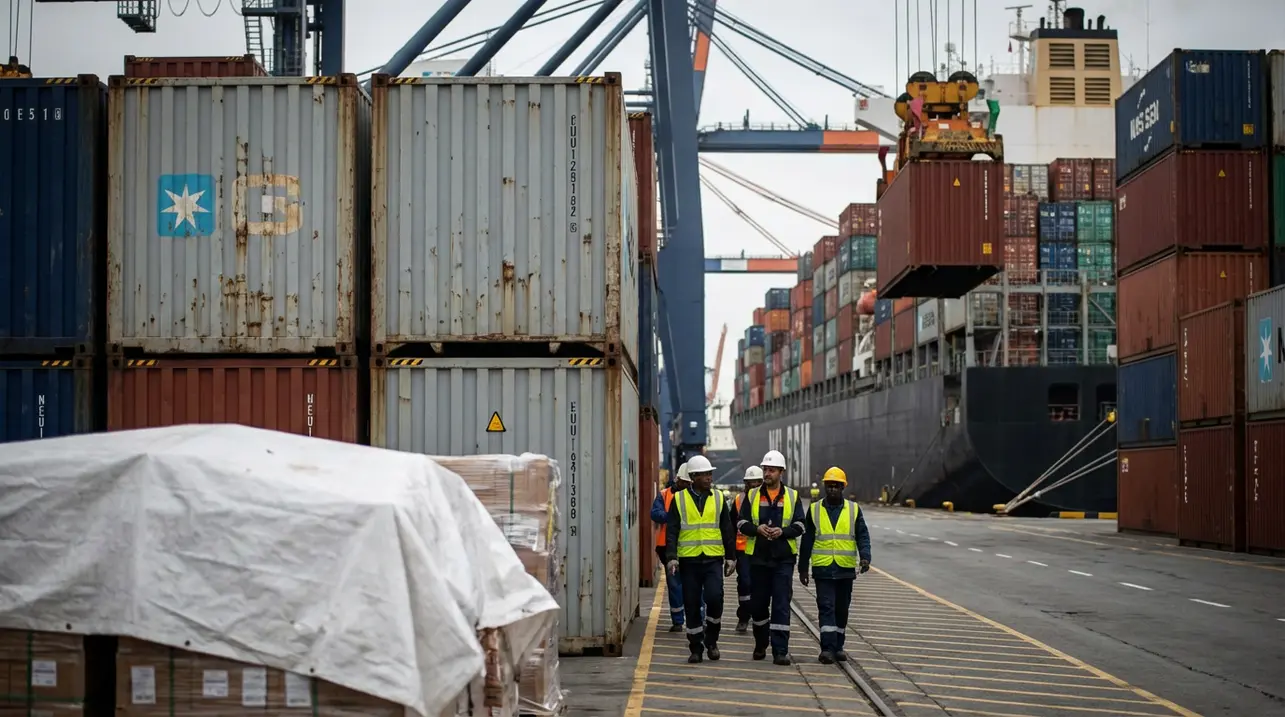
While U. S.policy remains fixated on the fentanyl crisis, a resurgent global threat has quietly reclaimed prominence: cocaine. According to reporting by Samantha Schmidt of the Washington Post, the trade has not just recovered but evolved into a sophisticated, decentralized enterprise, shattering production and seizure records.This new era, a stark departure from the age of Pablo Escobar, is defined not by monolithic cartels but by agile, strategic networks that exploit globalization, corruption, and modern logistics to operate with Fortune 500-like efficiency. In Colombia, coca cultivation now spans an area more than five times larger than during Escobar's peak, fueled by aggressive farming techniques and the power vacuums created by the 2016 peace accord.Surging demand, particularly in European markets where seizures now rival those in the U. S., has transformed the Atlantic into a primary trafficking corridor. The operational hallmark of modern traffickers is the normalization of the illicit.Cocaine increasingly moves hidden within legal container shipments from compromised ports, a method enabled by systemic corruption of police, judiciary, and port authorities. This creates a hydra-like challenge for law enforcement, where dismantling one node scarcely disrupts the network.The strategic response has shifted dramatically with political change. A previous focus on dismantling criminal leadership has given way under the current administration to a heavily militarized approach, featuring a naval buildup in Caribbean and Latin American waters and policies authorizing the bombing of suspected drug vessels.This aggressive posture is often rhetorically linked to the fentanyl crisis, with targets branded as “narco-terrorists” flooding the U. S.with synthetic opioids, even as interdictions primarily yield cocaine. This conflation risks obscuring the cocaine trade's unique dynamics: its entrenched supply chains, its economic grip on South American regions, and its resurgence as a drug of choice in affluent markets.The fragmented, globalized nature of today's trade may prove more resistant to traditional interdiction and military pressure than the kingpin model of the past. The consequences are profound: entrenched violence and state corrosion in producer nations like Colombia, increased instability in transit zones, and a sustained flow of cocaine to consumer countries, where its social and health costs are dangerously overshadowed by the opioid epidemic. This resurgence does not mark a return to the past, but the emergence of a more resilient and insidious future, where the trade's deep integration into the legal global economy makes it a far more formidable adversary than any single cartel boss ever was.
#cocaine trade
#drug trafficking
#Trump administration
#fentanyl
#Colombia
#Europe
#customs seizures
#corruption
#lead focus news