Politicsconflict & defenseTerrorism and Counterterrorism
Berlin Mayor Labels Power Grid Attack as Terrorism
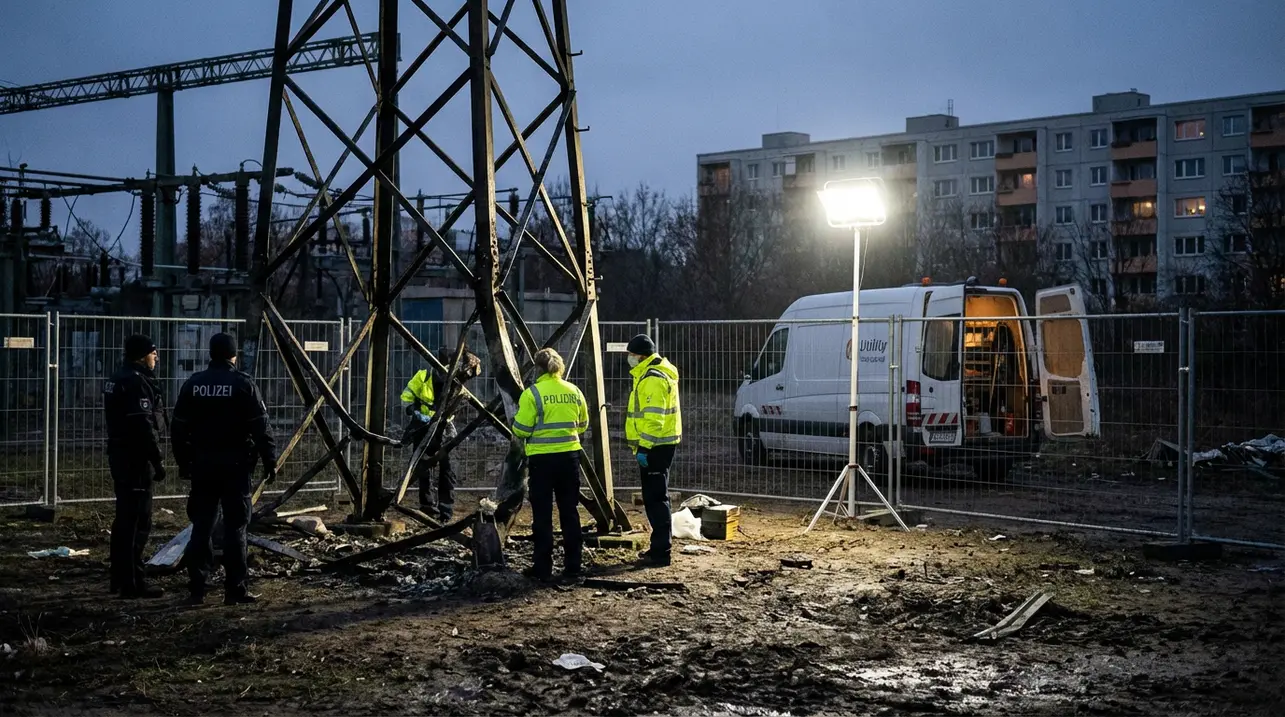
Berlin Mayor Kai Wegner’s stark declaration that a major assault on the city’s power grid constitutes an act of terrorism marks a significant and sobering escalation in the political rhetoric surrounding domestic security in Germany. In a televised statement on Sunday evening, the conservative mayor framed the attack not as mere criminal sabotage but as a deliberate act of terror, a classification that carries profound legal and societal implications.According to Wegner, a left-wing extremist group is believed responsible for targeting critical infrastructure, a move that directly endangered vulnerable populations, including the elderly reliant on medical devices and families with young children. This incident did not occur in a vacuum; it echoes a troubling pattern across Europe where energy networks have become soft targets for ideological groups seeking to destabilize the state and sow public fear.The Berlin police, alongside federal intelligence services, are now spearheading a manhunt under immense pressure, a scenario reminiscent of historical counter-terrorism operations where the swift identification of perpetrators was paramount to restoring public confidence. Historically, Germany has grappled with left-wing extremism, notably the Red Army Faction, but the modern landscape is complicated by decentralized, digitally-native cells that leverage asymmetric tactics against civilian infrastructure.This attack forces a uncomfortable parallel with broader geopolitical tensions, where state actors have previously targeted energy grids—recall the cyber-attacks on Ukraine’s power system—blurring the lines between domestic extremism and hybrid warfare. Experts in political risk analysis warn that such incidents test the resilience of democratic societies, challenging the balance between civil liberties and enhanced security measures.The immediate consequence is a likely push for stricter surveillance and protective legislation, potentially mirroring post-9/11 security frameworks, which could ignite fierce debate in a nation deeply sensitive to its Stasi past. Furthermore, the economic ramifications are severe; prolonged power instability could deter investment and strain Berlin’s already ambitious green energy transition.From a strategic perspective, labeling this terrorism is a calculated political move by Wegner, aiming to marshal public support and resources, much like Churchill’s wartime rhetoric sought to unify Britain against a common threat. However, it also risks amplifying the perpetrators’ desired narrative of chaos, granting them a stature they may crave. The coming days will reveal whether this framing leads to cohesive action or deeper societal fractures, as Germany confronts the unsettling reality that its critical infrastructure is a frontline in a new, shadowy conflict.
#terrorism
#sabotage
#power grid
#Berlin
#left-wing extremism
#attack
#infrastructure
#featured