Otheraccidents & disastersSearch and Rescue
Stories of people who run toward danger to save others.
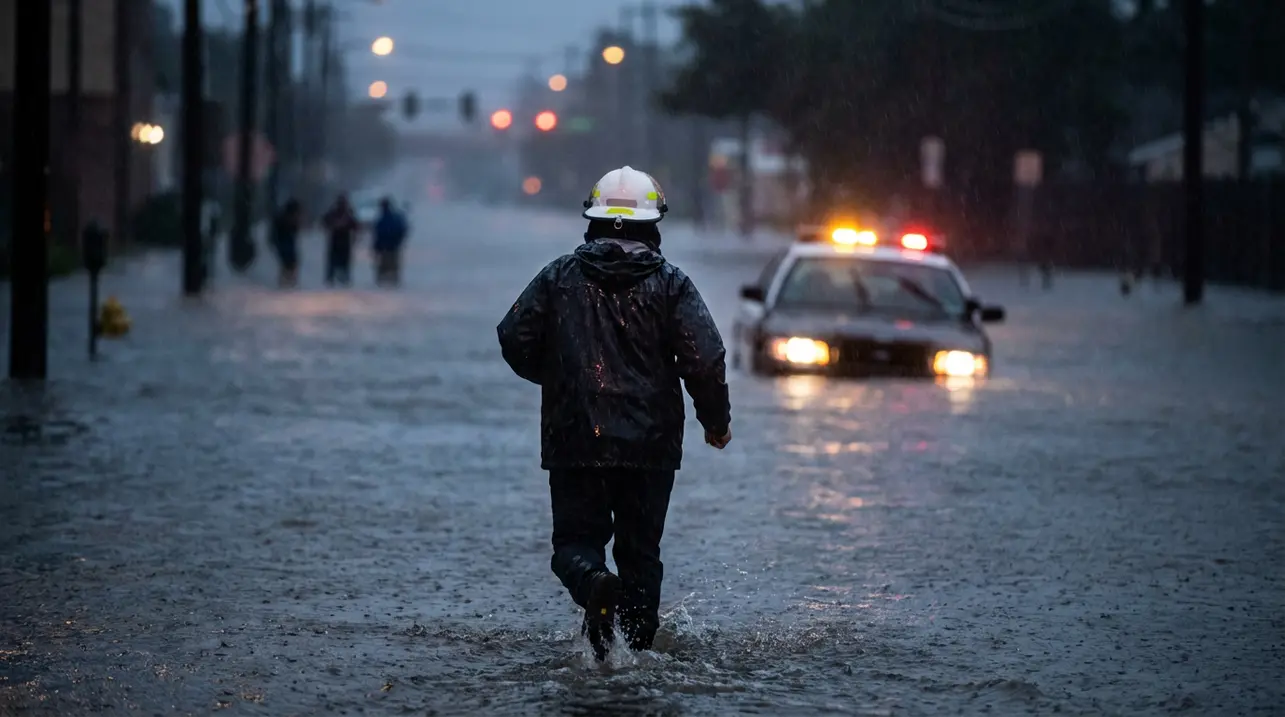
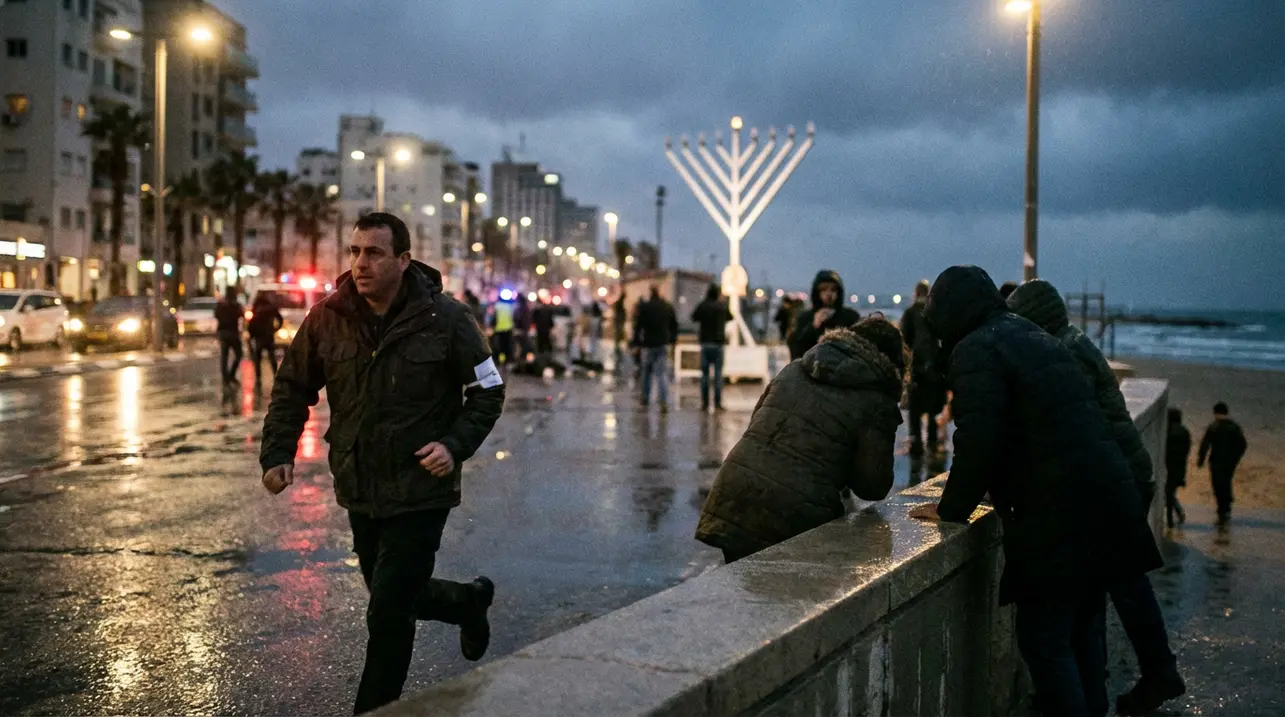
There’s a question that hangs in the air after the news cycle moves on, after the initial shock of a tragedy fades into the background hum of our lives. It’s a question not about the mechanics of an event, but about the mechanics of the human heart: why do some people run? Not away, but directly into the chaos, toward the danger everyone else is fleeing? It’s a thread that connects stories from a sun-drenched beach in Australia to a flooded camp in Texas, a quiet neighborhood in Florida, a smoky apartment block in Paris, and a rain-slicked subway platform in New York.These aren’t stories of superheroes with capes, but of ordinary individuals—a construction worker, a rescue swimmer on his first mission, a neighbor, a man balancing on a ledge, a subway conductor—who, in a split-second breach of self-preservation, chose someone else’s life over their own safety. Ahmed al Ahmed, recovering from nerve damage after disarming a gunman at Bondi Beach, said he acted ‘from the heart.’ That phrase, so simple, is the master key. It speaks to an instinct that bypasses the calculus of risk, the internal debate about being the ‘right’ person for the moment.It’s the same instinct that propelled Coast Guard rescue swimmer Scott Ruskan, who found himself the sole first responder coordinating the helicopter evacuation of 165 children from rising floodwaters in Texas, later deflecting praise onto the kids themselves. It’s what moved Giovanna Hanley and her neighbors in Pembroke Pines to sprint toward a burning plane wreck with an ax and a fire extinguisher, pulling four passengers to safety.It’s the uncalculated ‘We’ve got to go’ that drove Fousseynou Cissé to shuffle along a 65-foot-high ledge in Paris, passing babies and children from a smoke-filled apartment to safety. And it’s the pure reflex that made MTA conductor Ray McKie jump onto the tracks in Queens to lift an unconscious teenager just before a train arrived.Psychologists might frame this as ‘altruistic risk-taking,’ a phenomenon studied in contexts from war zones to natural disasters. Philosophers might debate the roots of such extreme empathy, whether it’s ingrained, learned, or a complex interplay of both.Larissa MacFarquhar’s profound book ‘Strangers Drowning’ explores this very territory, examining lives devoted to drastic, often costly altruism, making the rest of us wonder at the gulf between our good intentions and their extraordinary actions. Yet, in these sudden, unplanned moments, there is no time for philosophy or psychology.There is only recognition and response. The recognition of a life in imminent peril, and a physical response that seems to come from a place deeper than thought.
#heroism
#altruism
#Bondi Beach shooting
#Texas floods
#plane crash rescue
#featured