Otheraccidents & disastersAftermath and Recovery
Hong Kong mother rebuilds life after deadly fire.
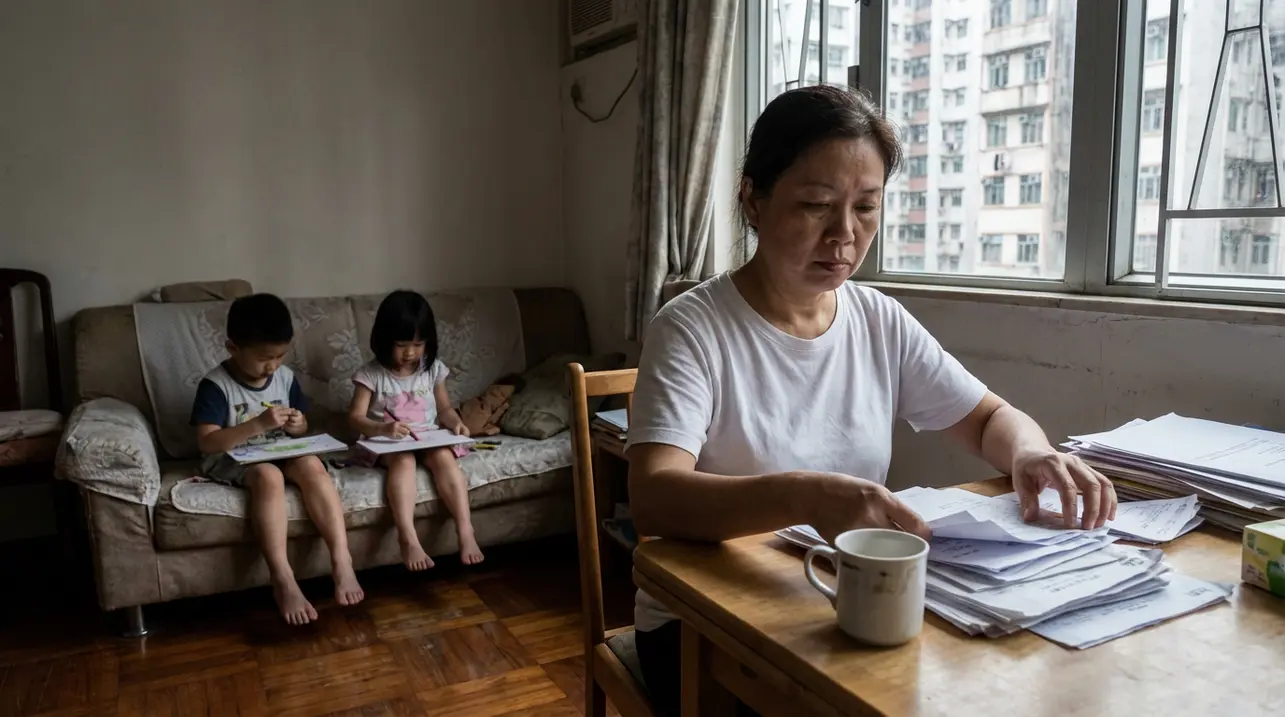
One month on from the Tai Po fire, the city’s headlines have moved on, but for survivors like Christy Lee, the work of rebuilding a life is a daily, quiet, and profoundly human struggle. At forty, Christy is a social worker by profession, a role that has equipped her with a deep understanding of community and resilience, yet nothing could have prepared her for the task of guiding her two young children through the aftermath of losing both their father and their home in a single, devastating night.Her story, part of a broader series on the community’s recovery, is less about dramatic milestones and more about the incremental, often invisible, steps toward stability—the search for a new apartment that feels safe, the establishment of a new routine for her children, the delicate balance of managing her own grief while being the unwavering pillar for her family. In speaking with her, what emerges is a portrait not of a victim, but of a person navigating a complex web of practical challenges and emotional landmines, a journey familiar to anyone who has faced sudden, catastrophic loss.The broader context of this tragedy lies in Hong Kong’s aging urban fabric and the perennial tensions over housing safety and affordability, issues that social workers like Christy have long advocated on from a professional distance, but which have now crashed into her personal world with brutal force. Experts in disaster recovery and trauma psychology note that the period following the initial emergency response is often the most challenging, as the immediate support networks recede and survivors are left to contend with bureaucracy, financial strain, and the long-term psychological fallout; for a child, the loss of a parent and the familiar contours of home can fundamentally alter their sense of security and development.Christy’s path is further complicated by her dual role as both a caregiver in her profession and the primary caregiver in her shattered family, a dynamic that adds layers of emotional labor and potential burnout. Observing her, one sees the universal themes of parental sacrifice and the quiet heroism of ordinary people thrust into extraordinary circumstances, a narrative echoed in communities from London to Tokyo after similar fires.The possible consequences of this event extend beyond the immediate families to touch on policy discussions about fire safety regulations in subdivided units and the adequacy of mental health support for disaster survivors, debates that are given urgent, human weight by stories like Christy’s. Her journey is a testament to the slow, uneven process of finding hope—not as a sudden revelation, but as something built piece by piece through small acts of normalcy, like ensuring her children get to school on time or sharing a meal at a familiar restaurant, actions that gradually weave a new tapestry of life from the threads of the old. It is in these mundane details, far from the glare of the news cycle, that the true work of recovery happens, a deeply personal process that nonetheless reflects the resilience of an entire city learning to heal.
#featured
#Hong Kong
#Tai Po fire
#recovery
#mother
#family
#tragedy
#community support
#rebuilding life