Otherauto & mobilityElectric Vehicles
Modular electric city car designed for user repair shows future of fixable vehicles.
AN4 hours ago7 min read1 comments
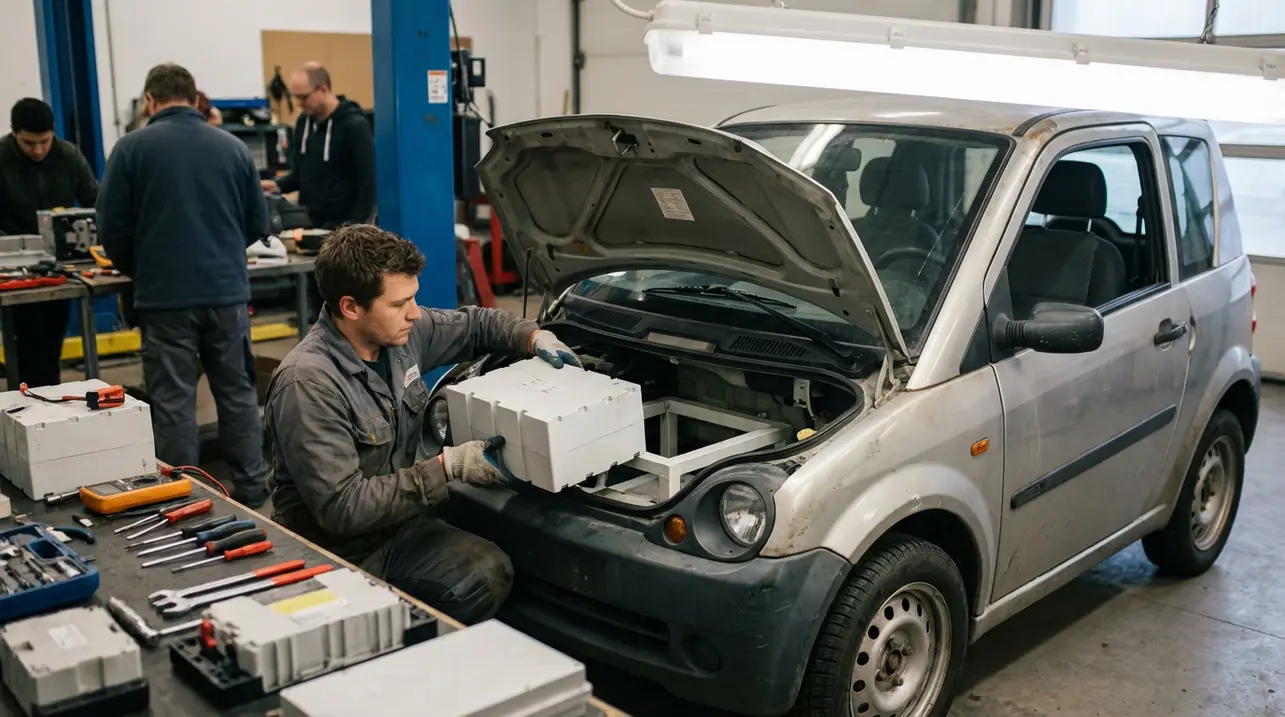
The automotive industry, for decades, has operated on a model of planned obsolescence and proprietary control, a closed ecosystem where the hood might as well be sealed shut with a corporate wax stamp. So, when a concept like the modular, user-repairable electric city car emerges, it feels less like a new vehicle and more like a quiet rebellion.This isn't just a car; it's a philosophical statement on wheels, challenging the very core of how we relate to the machines we depend on daily. The idea is elegantly simple: design a vehicle from the ground up with longevity as the primary metric, not quarterly sales targets.By utilizing a modular architecture, key components—battery packs, motor units, infotainment systems, even body panels—are designed to be swapped out with basic tools, no dealership appointment or proprietary diagnostic computer required. This shifts an immense amount of power, both literal and figurative, back into the hands of the user, transforming the owner from a passive consumer into an active participant in the vehicle's lifecycle.The implications ripple far beyond the driveway. Environmentally, it attacks the scourge of e-waste head-on; a faulty module can be replaced, not the entire vehicle, dramatically reducing the resource drain and carbon footprint associated with manufacturing a new car.Economically, it could dismantle the lucrative repair monopoly held by manufacturers and their certified networks, fostering a new ecosystem of independent repair shops and a vibrant aftermarket for refurbished, interoperable parts. Culturally, it revives a kind of hands-on stewardship and mechanical literacy that has been systematically engineered out of modern life, recalling an era when fixing your own possessions was a point of pride and practical necessity.Of course, the road to this fixable future is fraught with potholes. Legacy automakers, whose profit models are deeply entwined with parts and service revenue, will likely resist, perhaps through lobbying for regulations that subtly favor integrated, non-modular designs.Safety certification for user-installed components presents a complex regulatory hurdle. And there's the question of consumer appetite: in a culture conditioned to value novelty and convenience over durability and repair, will enough people choose the path of maintenance over replacement? Yet, the momentum is building.The 'Right to Repair' movement, which has scored significant victories in the agricultural and electronics sectors, is now turning its full attention to automobiles. This car concept is a tangible manifestation of that movement's ideals.It speaks to a growing collective fatigue with disposable culture and a desire for products that respect both the consumer's autonomy and the planet's limits. Looking back, we can see precedents in the early days of personal computing, where open architecture allowed hobbyists to build and upgrade their own machines, fueling innovation.
#modular design
#electric vehicles
#repairability
#sustainable transportation
#urban mobility
#featured