Otheraccidents & disastersIndustrial Accidents
Man falls ill after sleeping on late mother's bed in ritual
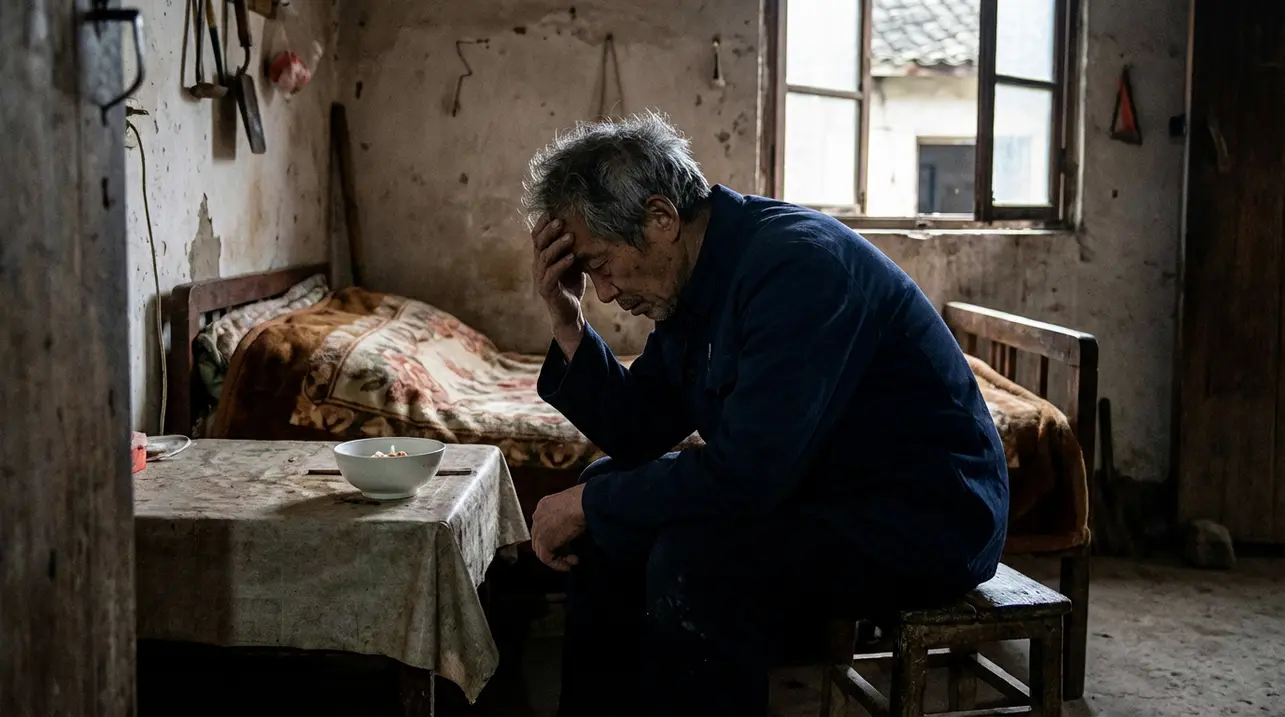
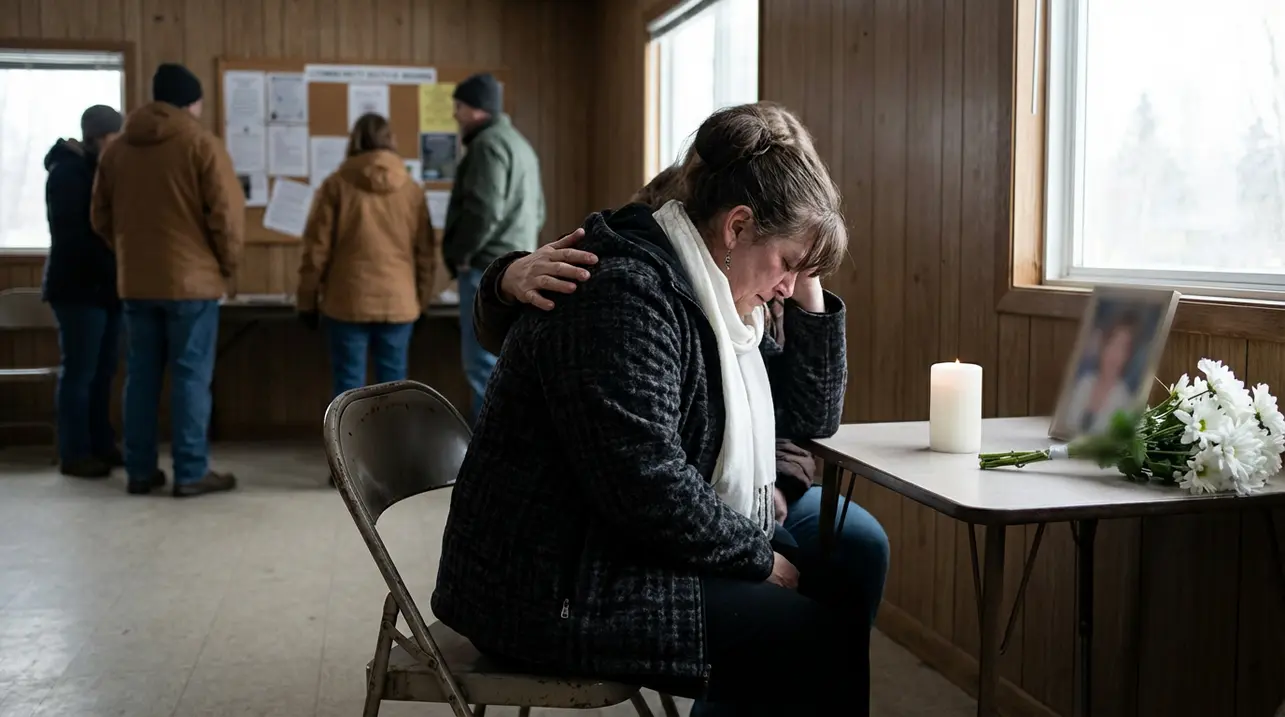
In a quiet, remote village in China’s Zhejiang province, a story unfolded that speaks volumes about the enduring power of ritual, the weight of grief, and the unexpected physical toll of tradition. A man in his sixties, identified only by the surname Chen, found himself in a hospital bed, severely ill, after performing a final act of filial piety for his late mother.According to reports from mainland outlet Hongxing News, Chen, an only child, had lost his 86-year-old mother unexpectedly shortly after this year’s Mid-Autumn Festival. She had been, by all accounts, a picture of rural resilience—in good health and working in the fields daily—until a sudden bout of diarrhoea led to her passing.In the wake of her death, Chen followed a local custom intended to comfort the soul of the departed: he lay down to sleep on his mother’s bed. This act, steeped in a belief that such a gesture can provide solace to both the living and the dead, is a poignant thread in the vast tapestry of global mourning practices.Yet, for Chen, it had a dire consequence, leading to a severe illness that medical professionals are likely investigating as a potential case of environmental or allergen exposure, perhaps from dust mites, mold, or even residual cleaning chemicals on seldom-used bedding. This incident isn't merely a curious news brief; it’s a human-interest parable about the collision between ancient custom and modern reality.In many cultures, particularly within close-knit rural communities like Chen’s, rituals surrounding death are not mere formalities but essential, prescribed pathways for processing loss and demonstrating respect. The act of sleeping in a deceased loved one’s space can be seen as a form of keeping vigil, a final sharing of their earthly domain before it is dismantled.It’s a physical manifestation of the psychological need to cling to the remnants of a person’s presence. From a sociological perspective, Chen’s story highlights the silent pressures faced by only children in traditional societies, where the entire burden of ritual observance and ancestral duty falls squarely on one set of shoulders.There is no sibling to share the grief or to question the practicality of a potentially hazardous custom. The compulsion to ‘get it right,’ to honor a parent perfectly in death, can override personal health considerations.Experts in thanatology—the study of death and dying—might note that while rituals are universally crucial for healing, their safety and context must evolve with our understanding of hygiene and medicine. Historically, practices like wakes or specific burial preparations have sometimes carried health risks, from disease transmission to physical strain, a fact that has led to the modernization of many funeral customs worldwide.
#featured
#China
#tradition
#rural
#illness
#death
#family
#health risk
#Zhejiang