Entertainmenttheatre & artsGalleries and Museums
MoMA PS1 and Other Museums Eliminate Admission Fees
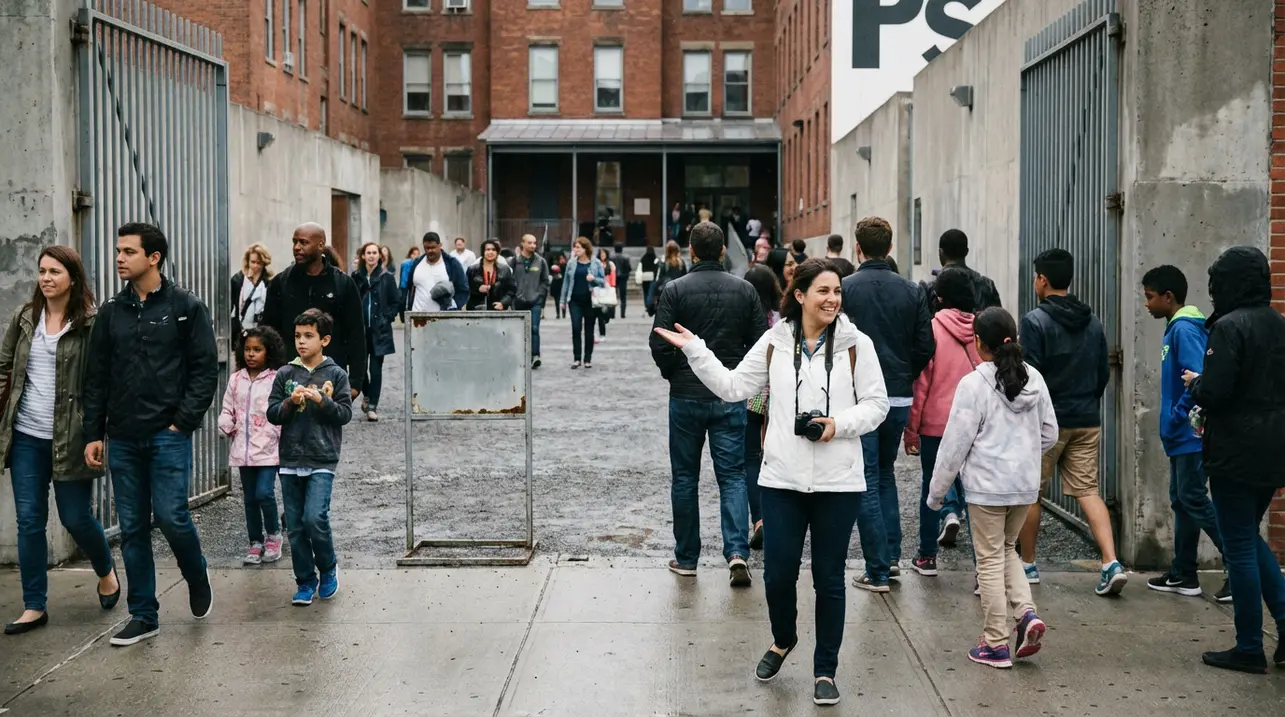
The move by MoMA PS1 to eliminate its admission fee, a decision that rippled through the art world this week, is far more than a simple policy shift; it's the latest and perhaps most resonant tremor in a long-simmering debate about cultural access, institutional survival, and the very soul of the public museum. This Queens-based contemporary art powerhouse, an affiliate of the Museum of Modern Art, is not acting in isolation.Its announcement joins a growing, if sometimes hesitant, chorus of institutions from the Baltimore Museum of Art to the Hammer Museum in Los Angeles that have, in recent years, experimented with or permanently adopted free admission models. The immediate reaction is, understandably, one of celebration—art should be for everyone, the barriers of a $10 or $25 ticket are undeniable deterrents for students, families, and curious locals alike.But to view this purely as a philanthropic gesture is to miss the complex, often contradictory, economic and philosophical currents swirling beneath the surface. Museums, particularly those not endowed with vast historical collections that guarantee blockbuster traffic, have long relied on gate revenue as a critical, if relatively small, line item in a fragile budget ecosystem.The calculus, then, becomes a high-stakes wager: will the surge in foot traffic, the goodwill, and the potential increase in secondary spending at cafes and gift shops offset the direct loss of ticket income? For a venue like PS1, known for its avant-garde installations and younger demographic, the bet is on building a more loyal, engaged community that sees the institution not as a rare, costly outing but as a regular neighborhood resource, thereby strengthening its case for sustained public and private funding. Historically, this tension is nothing new.The great public museums of the 19th century, like the British Museum or the Metropolitan Museum of Art at its founding, were conceived as free repositories of knowledge for the edification of the citizenry. Over time, financial pressures and the rise of the 'experience economy' commodified access.Today's shift feels like a correction, but one driven as much by pragmatic adaptation as by idealism. The pandemic-era closure of doors forced a brutal reckoning with digital outreach and audience development, proving that physical attendance could no longer be the sole metric of value.Furthermore, in an age of heightened scrutiny over equity and representation, charging a fee at the door can be a potent symbol of exclusion, undermining stated missions of public service. Expert commentary often splits along predictable lines: directors and curators hail it as a necessary evolution toward true inclusivity, while board members and CFOs nervously eye the endowment draw and scramble to bolster membership programs—now framed not as a key to unlock the door, but as a philanthropic commitment to a community hub.
#free admission
#museums
#MoMA PS1
#New York
#cultural policy
#editorial picks news