Entertainmenttv & streamingStreaming Platforms
CES 2026: Entertainment leaders discuss AI, creators, and tech innovation
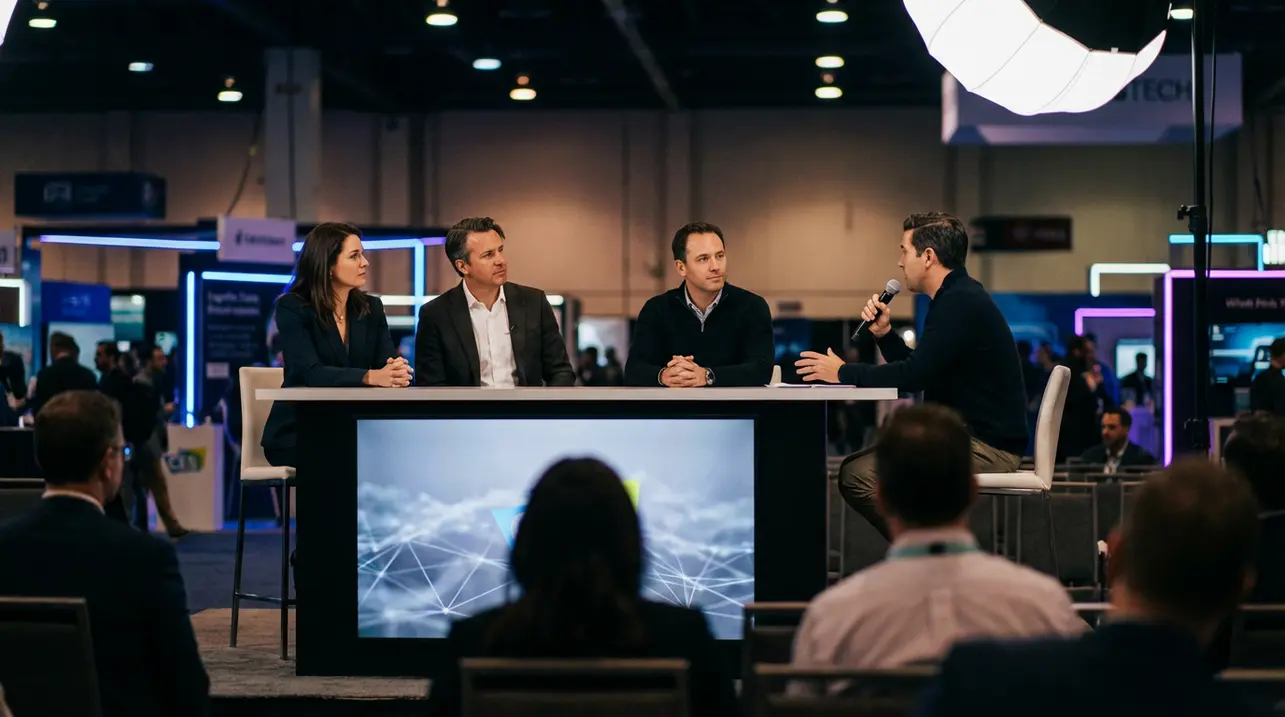
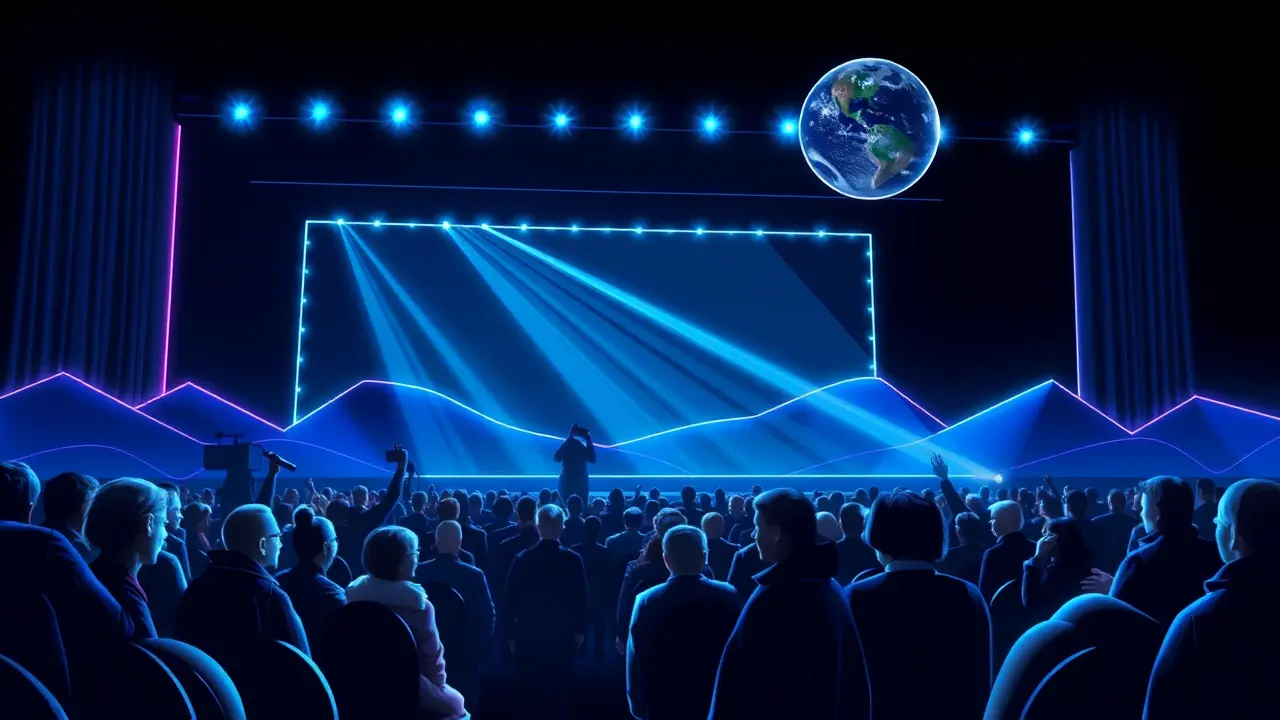
The spectacle of CES has always been a carnival of the conceivable, a place where laundry-folding robots and singing lollipops jostle for attention. Yet beneath the neon glow of Las Vegas at CES 2026, a more substantive drama is unfolding, one that cuts to the very heart of storytelling itself.This year’s programming is saturated with over twenty-five panels dissecting the entertainment industry’s turbulent relationship with its digital future, posing questions that feel less like tech speculation and more like an existential critique of the creative act. The central tension, of course, is artificial intelligence.Hollywood’s fraught dance with AI is nothing new—the industry still reels from the debut of Tilly Norwood, the first ‘AI actor,’ an event that sparked rightful outrage and deep-seated fears about the erosion of human artistry. Copyright specters loom over every conversation, a legitimate anxiety that the very DNA of our cultural heritage could be ingested and regurgitated by algorithms.Yet, listening to the voices on stage, a more nuanced narrative emerges, one reminiscent of past technological panics. Hannah Elsakr of Adobe drew a direct line to the launch of Photoshop in the 90s, recalling the ‘angry phone calls from creatives saying that we were destroying craft.’ Her point was prescient: every new tool is met with resistance before it is absorbed into the palette. Dwayne Koh of Leonardo.ai framed it not as replacement, but as democratization, arguing these tools ‘have unlocked something in us… It levels the playing field, making it easier for people to tell stories they always wanted to tell. ’ This isn’t about AI generating cat videos; it’s about AI as a collaborator, a digital gaffer or script consultant that allows the director, the artist—the human vision—to reach further.Parallel to this is the seismic rise of the creator economy, a force that traditional studios can no longer afford to treat as mere marketing appendages. Brad Haugen of Lionsgate articulated this shift with clarity, stating creators ‘are actually the next Spike Jonze and the next Sofia Coppola.’ This acknowledgment is profound. It signals a belated recognition that the raw, iterative, and often AI-augmented efficiency of digital-native storytellers is not a sideshow but the main stage’s new blueprint.The products on the floor—AI-powered headphones, sound chairs, Amazon’s Alexa. com with its scene-jumping intelligence—are all physical manifestations of this convergence, designed to personalize and deepen consumption.The underlying story of CES 2026, then, is one of convergence and creative anxiety. It’s about an industry at a crossroads, much like it was with the advent of sound or CGI, grappling with whether AI and creator culture represent a hostile takeover or the most exciting expansion of the cinematic language since the jump cut.The panels with Netflix, Disney, and Warner Bros. Discovery leaders aren’t just corporate talks; they are strategy sessions for navigating this new ontology.The outcome will define not just what gadgets we use, but whose stories get told, and who gets to tell them. The theatrics of CES have always been forward-facing, but this year, the most compelling performance is the industry’s own introspection, played out in real time under the desert lights.
#CES 2026
#artificial intelligence
#creator economy
#entertainment industry
#AI in Hollywood
#streaming services
#featured