Otherweather & natural eventsExtreme Weather
India's Smog Crisis Highlights the High Cost of Clean Air
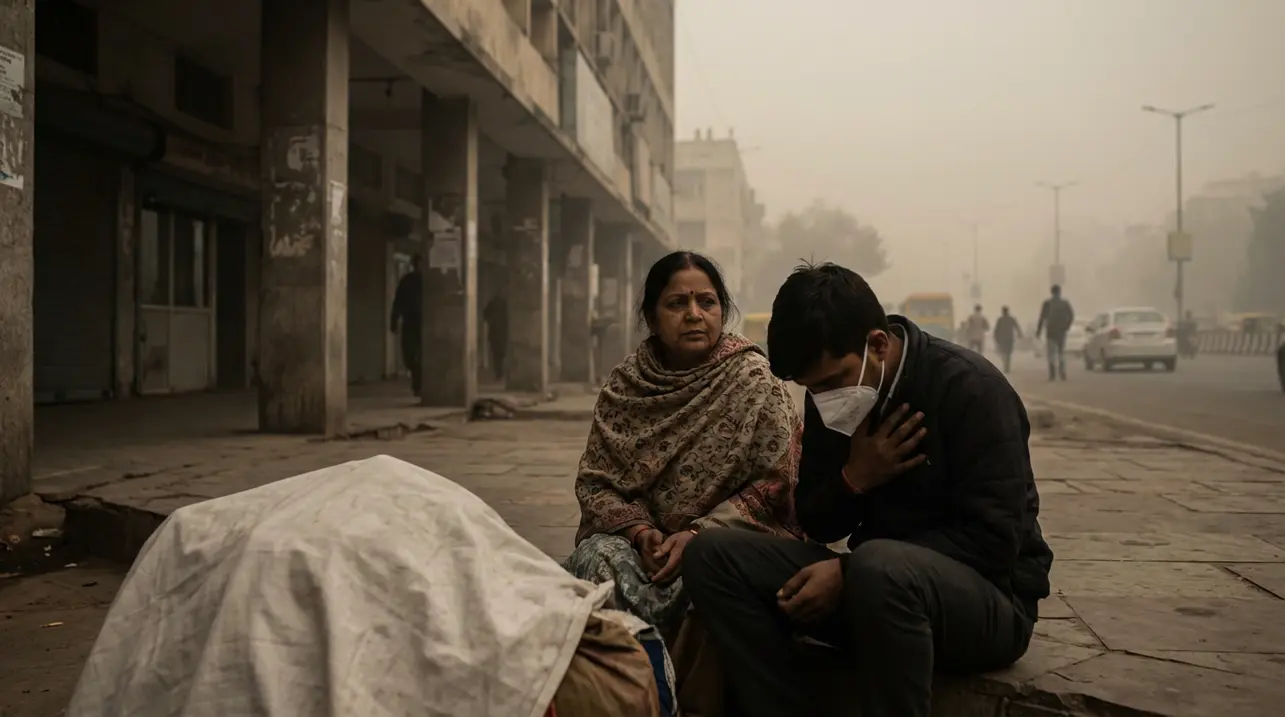
The scene outside the National Institute of Tuberculosis and Respiratory Diseases in South Delhi is a tableau of India’s deepening public health emergency. Asha, sitting on the pavement, makes a promise to her breathless nineteen-year-old son, Nitish, a vow born of desperation and the choking grey blanket that settles over the city each winter.His sudden struggle to breathe, an experience entirely foreign to a young man, is not an isolated tragedy but a symptom of a systemic ecological failure. This smog crisis, an annual atmospheric event born from agricultural stubble burning, vehicular exhaust, industrial emissions, and construction dust, is no longer just an environmental issue; it’s a brutal economic and social reckoning.The high cost of clean air is being tallied not in abstract pollution indices but in human lives, hospital bills, and a nation's compromised future productivity. For families like Nitish’s, the crisis is immediate and visceral, a fight for the next breath in a government ward.For the nation, it represents a catastrophic market failure where the externalized costs of rapid industrialization and certain agricultural practices are now being violently internalized by the lungs of its citizens. Experts from public health institutes point to a grim correlation: the particulate matter count, specifically PM2.5, soars to levels dozens of times above the World Health Organization’s safe limits, leading to a predictable surge in respiratory admissions, exacerbated asthma, bronchitis, and a heightened risk of lung cancer. The economic analysis is equally stark.Studies, including those from the University of Chicago’s Energy Policy Institute, estimate that air pollution slashes years off the average Indian life expectancy and costs the economy billions annually in lost labor output and healthcare expenditures. The narrative often frames a false choice between economic growth and environmental health, but the current reality proves this is a bankrupt dichotomy.The smog chokes economic activity, grounds flights, closes schools, and repels global talent, acting as a severe drag on the very growth it was supposedly sacrificed for. Historically, other nations have walked this poisoned path.London’s Great Smog of 1952, which killed thousands, led to the pioneering Clean Air Acts. Beijing’s ‘airpocalypse’ triggered a state-led, multi-year war on pollution with mixed but notable results.India’s challenge is uniquely complex, woven into the fabric of smallholder farming practices, urban planning deficits, and energy policy. The government’s response, including the National Clean Air Programme, has been criticized as underfunded and inconsistently enforced, a piecemeal approach to a systemic catastrophe.
#New Delhi
#air pollution
#smog crisis
#public health
#respiratory diseases
#environmental policy
#India
#lead focus news