AIai regulationChina AI Regulation
Shenzhen Aims for AI in Every Home Amid US Rivalry
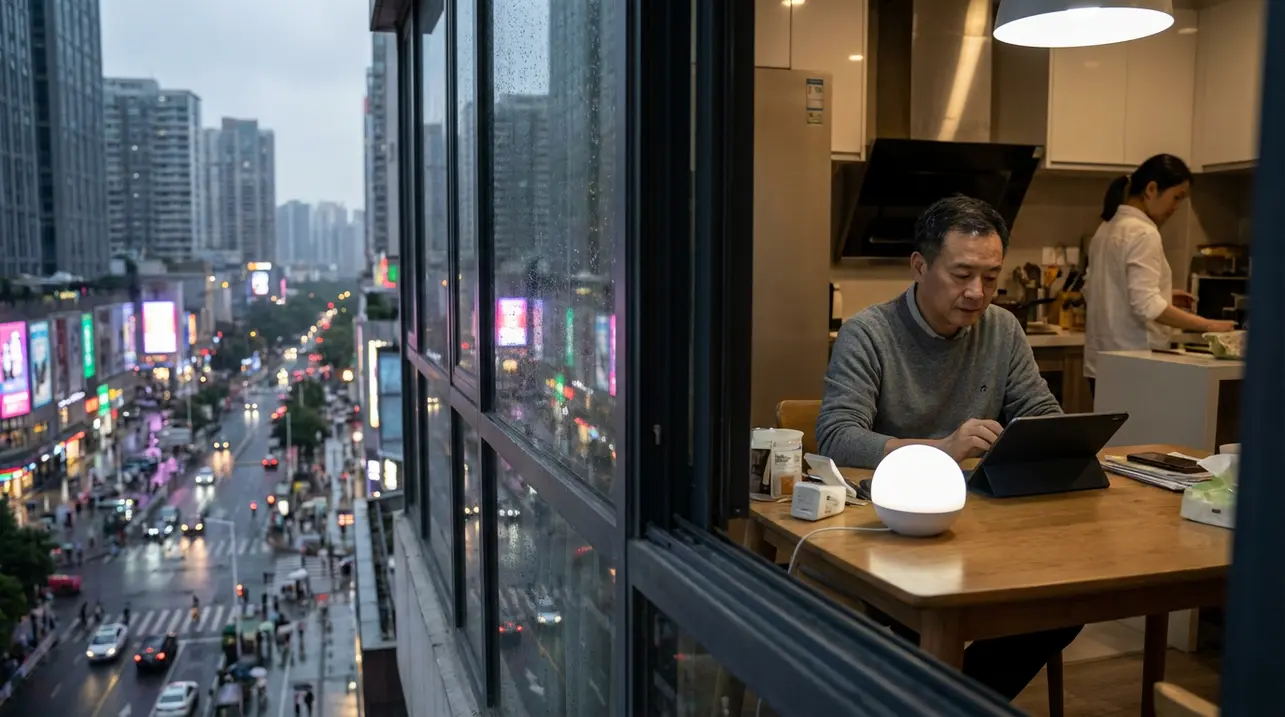
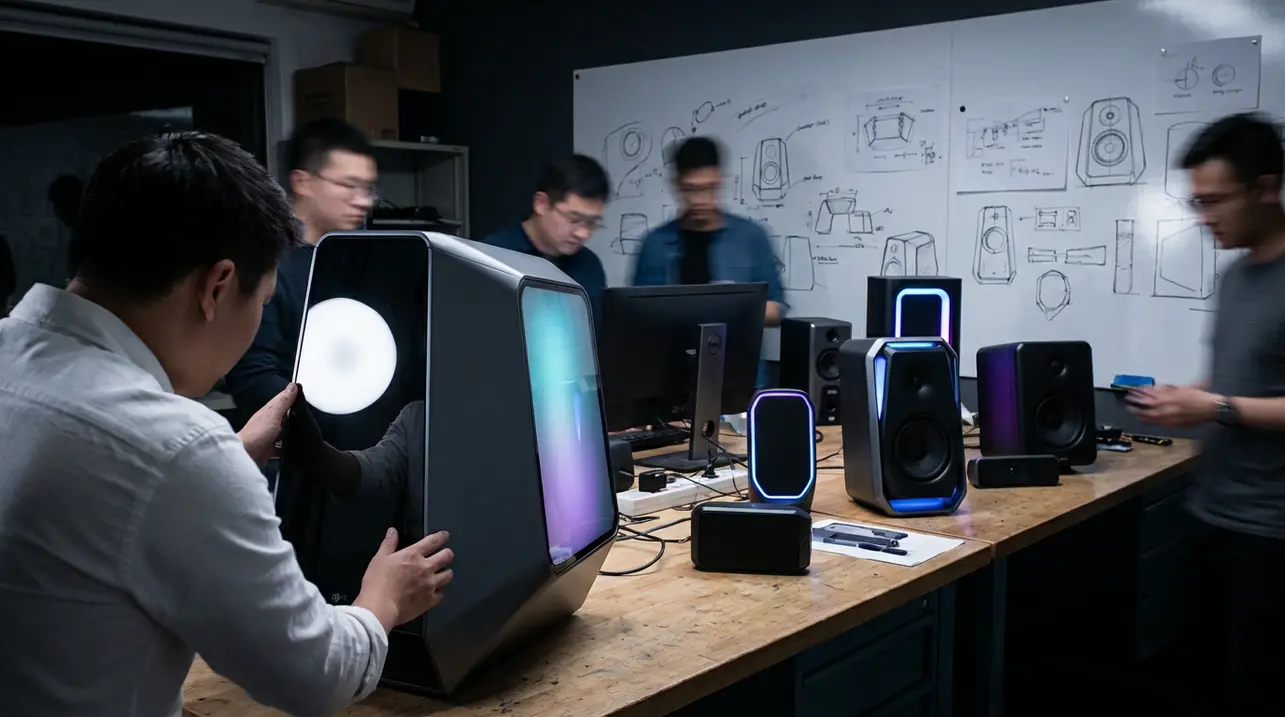
Shenzhen’s municipal government has laid down a marker that could reverberate far beyond its own city limits. In the freshly unveiled policy paper outlining its 15th five-year plan for 2026-2030, the Chinese tech powerhouse declared an ambitious goal: to achieve what it terms “full-suite, full-time” adoption of artificial intelligence across households and businesses within the next five years.This isn't merely an incremental upgrade or a pilot program for smart city infrastructure; it’s a blueprint for total societal integration, aiming to weave AI into the very fabric of daily urban life, from domestic appliances and personal assistants to enterprise logistics and public services. For observers of the global AI landscape, this move is a significant escalation, a deliberate and state-backed acceleration in the intensifying technological rivalry with the United States.While Washington grapples with regulatory frameworks and ethical guardrails, often through a lens of caution and risk mitigation, Shenzhen is signaling a philosophy of aggressive, top-down deployment. The city, already home to giants like Huawei, Tencent, and DJI, functions as China’s premier laboratory for technological experimentation, and this policy effectively designates its entire population of over 17 million as beta testers for a hyper-connected, AI-mediated future.The implications are profound, touching on everything from data sovereignty and algorithmic governance to economic productivity and geopolitical leverage. By committing to such pervasive integration, Shenzhen is betting that the first-mover advantage in real-world application and data acquisition will outweigh potential downsides, creating a feedback loop where everyday use continuously refines AI models, potentially leaving more cautious competitors behind.This strategy echoes historical precedents in technological races, where systemic adoption often trumps isolated innovation. One can draw parallels to the early internet era, where certain regions leapfrogged others not by inventing the underlying protocols but by embedding digital connectivity into societal planning.The Shenzhen plan suggests a similar bet: that the winner in the AI epoch may not be the entity that develops the most elegant large language model in a vacuum, but the one that most effectively and ubiquitously connects that model to human activity, harvesting the invaluable, messy, and context-rich data that such connection generates. Experts in AI policy note that this creates a distinct divergence in strategic pathways.The U. S.approach, while fostering immense innovation in foundational models from companies like OpenAI and Anthropic, remains largely market-driven and fragmented by corporate and state-level initiatives, with federal coordination often lagging. China’s model, exemplified by Shenzhen’s directive, leverages the state’s capacity for large-scale, directive planning, aligning municipal infrastructure, corporate R&D, and citizen engagement under a single policy umbrella.
#China
#Shenzhen
#AI adoption
#tech rivalry
#US-China competition
#policy paper
#five-year plan
#enterprise AI
#featured