EntertainmentmoviesNew Releases
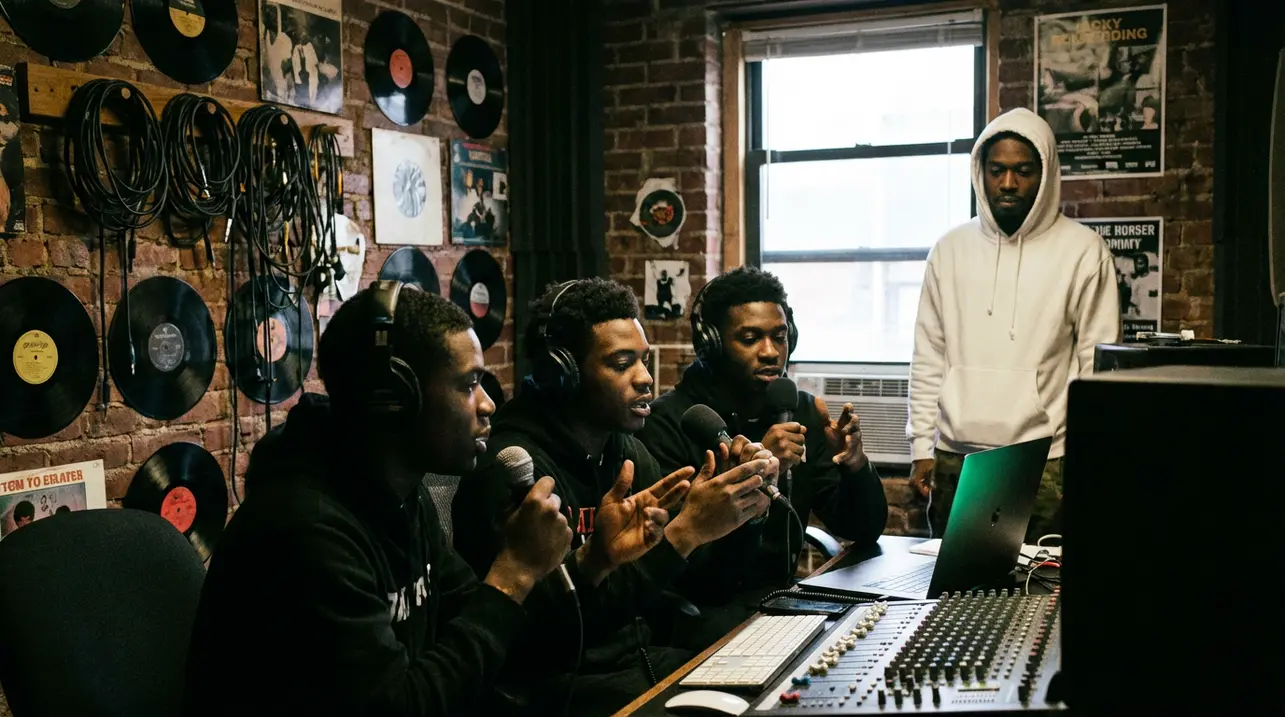
Ebro addresses claims he caused New York hip-hop's decline.
The narrative that New York hip-hop’s perceived decline in the 2010s can be laid at the feet of any single individual, like veteran radio host and cultural curator Ebro Darden, is a reductive beat that misses the entire symphony of a shifting musical landscape. Let’s drop the needle on the real track: while Atlanta’s trap-driven dominance was the undeniable chart-topper, painting New York’s scene as simply 'fallen off' ignores the rich, complex layers of sound that continued to pulse through the boroughs.Yes, the era saw the stratospheric rise of A$AP Rocky and the A$AP Mob, who masterfully blended Harlem swagger with Houston’s chopped-and-screwed aesthetics, and the undeniable, if fleeting, viral explosions of Bobby Shmurda’s “Hot N***a” and Young M. A’s “OOOUUU.” These weren’t mere blips; they were seismic events that proved the city’s capacity for creating national anthems. Simultaneously, a vital underground ecosystem thrived with the Beast Coast collective—Pro Era, Flatbush Zombies, The Underachievers—carrying the torch of lyrical density and psychedelic boom-bap that felt like a direct lineage from the Native Tongues.To blame a figure like Ebro, whose platform at Hot 97 has been a crucial amplifier for both legacy and new talent, is to confuse curation with causation. The real story is one of fragmentation and globalization.The internet dissolved geographic strongholds; a kid in Queens could now draw equal inspiration from Three 6 Mafia, UK drill, and dancehall. Atlanta’s machine, with its efficient, melody-driven production and entrepreneurial hustle, simply perfected the formula for the streaming age.New York’s challenge wasn’t a lack of talent or a rogue programmer, but the weight of its own monumental history—the pressure to either rigidly uphold a '90s golden era sound or radically reinvent it. The conversation should be less about assigning blame and more about appreciating the evolution: the gritty street narratives of Griselda’s rise in the late 2010s, the genre-blurring work of artists like Blood Orange, or the experimental edges of the city’s underground rap scene.Ebro’s role, like that of any influential DJ, is that of a filter and a facilitator, navigating these turbulent waters. The narrative of his culpability is a catchy but shallow hook, one that overlooks the deeper, more compelling album of industry transformation, regional cycles, and the eternal, competitive remix that is hip-hop itself.
#featured
#hip-hop
#New York
#Ebro
#music industry
#radio
#criticism
#regional scenes
#Vice