Scienceclimate scienceEnvironmental Policy
Wearable Health Devices May Create Massive E-Waste by 2050.
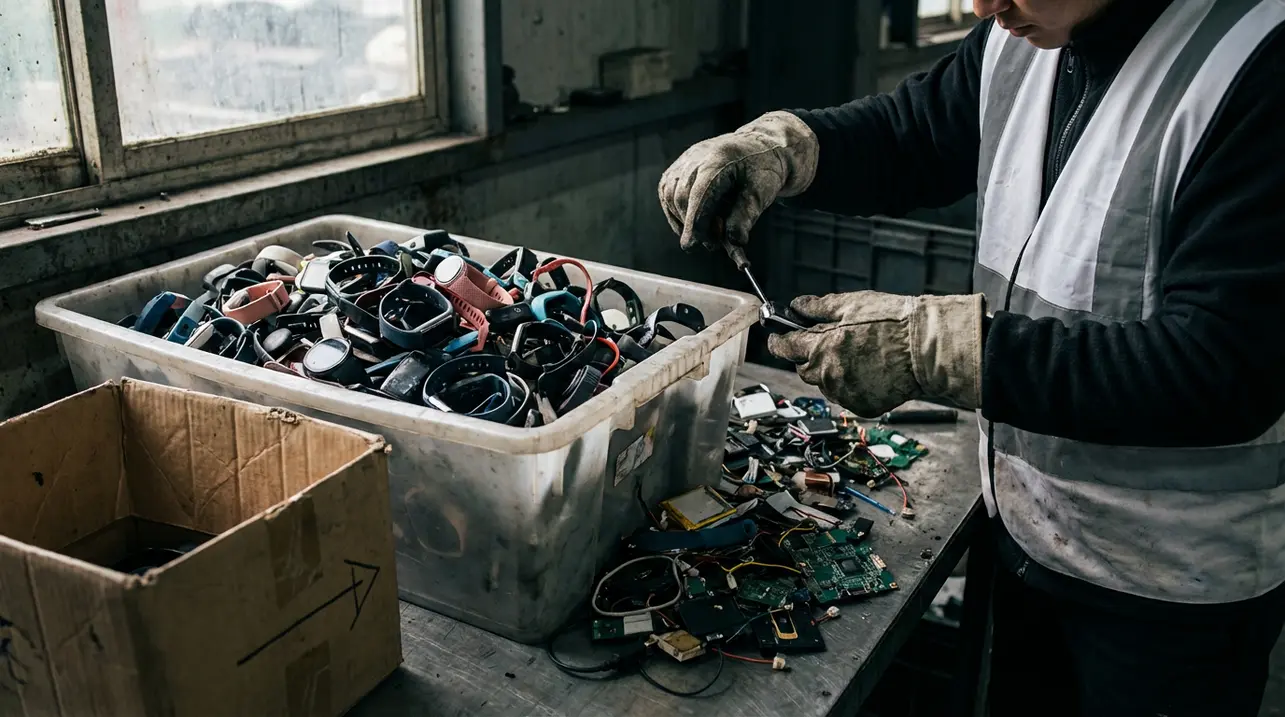
The headline is stark, a future projection that feels both distant and alarmingly imminent: by 2050, the proliferation of wearable health devices—from sleek fitness trackers to clinical-grade heart monitors—is poised to generate a tsunami of electronic waste. Yet, the most surprising part of this looming environmental crisis isn't the plastic casing we so often vilify; it's the complex, toxic, and valuable treasure trove of materials hidden within.As a biologist with a focus on ecological systems, I see this not as a simple waste management issue but as a profound failure in our technological lifecycle, a story where human health ambitions collide catastrophically with planetary health. The core of the problem lies in the very design philosophy of these devices.Marketed for their convenience and personal empowerment, they are built for obsolescence—sealed units that resist repair, tied to proprietary software that becomes outdated, and dependent on non-replaceable batteries with a finite lifespan. When your smartwatch's battery can no longer hold a charge after two years, or the new model boasts a sensor your current one lacks, the old device, often containing gold, silver, cobalt, lithium, and rare earth elements, is discarded.This isn't just clutter in a drawer; it's a linear economic model extracting finite resources to create products destined for landfill or, at best, inefficient recycling streams, where the recovery of these critical materials is woefully inadequate. The plastic shell, while a persistent pollutant, is almost a red herring.The real environmental cost is embedded in the mining required for those internal components—a process ravaging ecosystems from the Congo for cobalt to Chilean salt flats for lithium—and in the hazardous leaching of heavy metals and toxic chemicals when devices are improperly dismantled in informal recycling hubs in countries like Ghana, India, and Pakistan. Experts from the UN's Global E-waste Monitor have been sounding this alarm for years, noting that e-waste is the fastest-growing domestic waste stream globally, with less than 20% formally recycled.Wearables, due to their small size and complex assembly, are particularly prone to falling through the cracks. The consequences extend beyond poisoned soil and water.This wasteful cycle undermines the very sustainability goals that many consumers associate with a 'health-conscious' lifestyle. It creates a perverse irony: devices meant to monitor our personal vitals are contributing to a sickened environment.Furthermore, it represents a staggering economic folly. A 2022 report from the World Economic Forum highlighted that the value of raw materials in global e-waste is approximately $57 billion annually, a wealth literally thrown away.
#e-waste
#wearable devices
#environmental impact
#sustainability
#technology waste
#lead focus news