SciencebiologyMarine Biology
New carnivorous 'death-ball' sponge discovered in deep sea.
RA10 hours ago7 min read1 comments
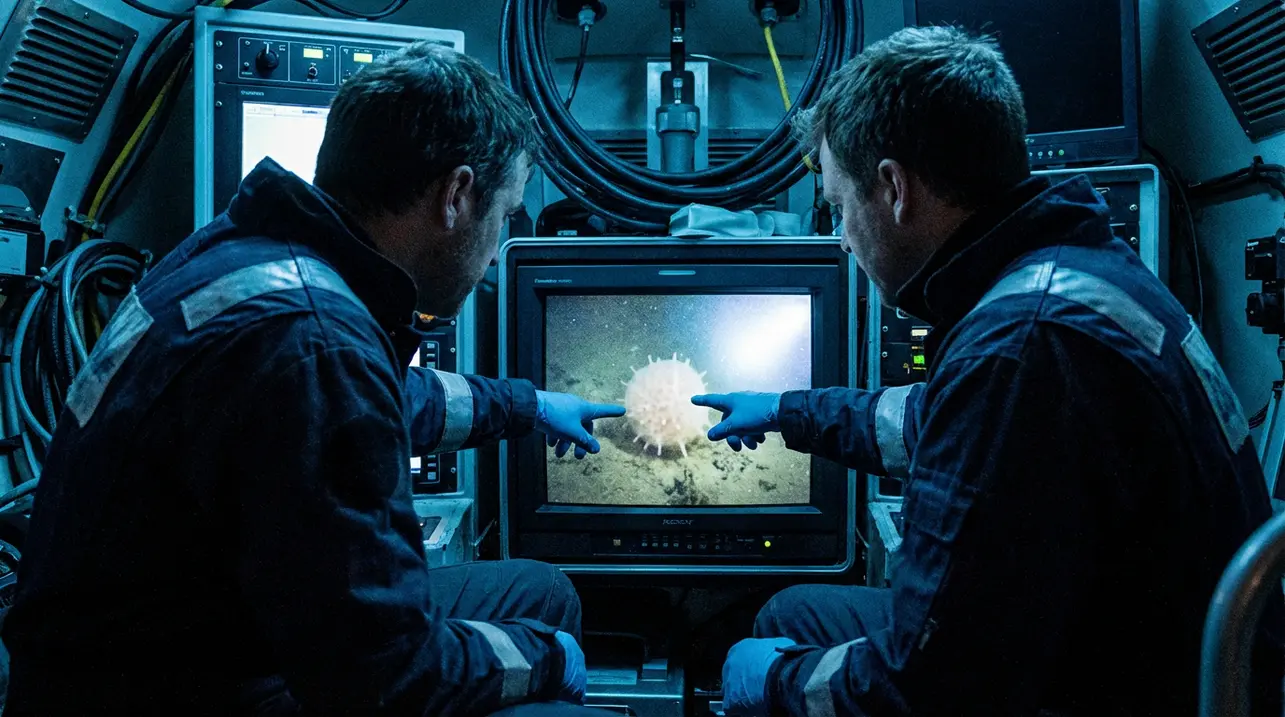
The placid, filter-feeding image of the sea sponge, a creature more often associated with kitchen sinks and cartoon seabeds than with predation, has been irrevocably shattered by a discovery from the frigid, lightless depths of the Southern Ocean. Among a haul of thirty newly identified species announced by the collaborative Nippon Foundation–Nekton Ocean Census project, scientists have pinpointed a carnivorous sponge that researchers have informally, and chillingly, dubbed the 'death-ball.' This finding is a stark reminder of how little we understand about the biodiversity thriving in our planet's most extreme environments, and it challenges fundamental assumptions about marine ecology. Sponges, belonging to the phylum Porifera, are among the oldest multicellular animals on Earth, with a fossil record stretching back over 600 million years.Their classic biological model is one of passive existence: they anchor themselves to the seafloor, pumping vast quantities of water through intricate pore systems to sieve out microscopic bacteria and organic particles. The emergence of a meat-eating variant within this ancient lineage is not merely a quirky anomaly; it represents a radical evolutionary adaptation to an environment where traditional food sources are scarce.In the abyssal plains and deep-sea trenches, the nutrient snow of detritus from the sunlit world above is often insufficient, forcing life to innovate in macabre and unexpected ways. The 'death-ball' sponge, likely from the family Cladorhizidae—a group known for these carnivorous specialists—would employ a sinister strategy.Instead of a water-filtering system, these sponges have evolved velcro-like hooks or filaments covered in microscopic spines. They lie in wait, a seemingly innocuous lump on the seabed, until a small crustacean or other unsuspecting animal brushes against them.The prey becomes ensnared, and the sponge cells then slowly envelop and digest it, a process that can take days, dissolving the victim from the outside in. This discovery, made in the remote and poorly sampled waters encircling Antarctica, underscores the critical importance of deep-sea exploration.The Southern Ocean acts as a global engine for nutrient cycling and unique speciation, its isolation fostering life forms found nowhere else. Each expedition like those conducted by Ocean Census reveals not just new species, but new survival blueprints, expanding our knowledge of life's potential.From a conservation perspective, identifying these creatures is a race against time. The deep sea faces mounting threats from deep-sea mining, bottom trawling, and the cascading effects of climate change, including ocean acidification and shifting currents.
#featured
#deep-sea
#carnivorous sponge
#new species
#Southern Ocean
#marine biology
#research discovery
#death-ball sponge
#ocean exploration