SciencephysicsNuclear Physics
Last Energy raises $100 million for micro reactor pilot in Texas.
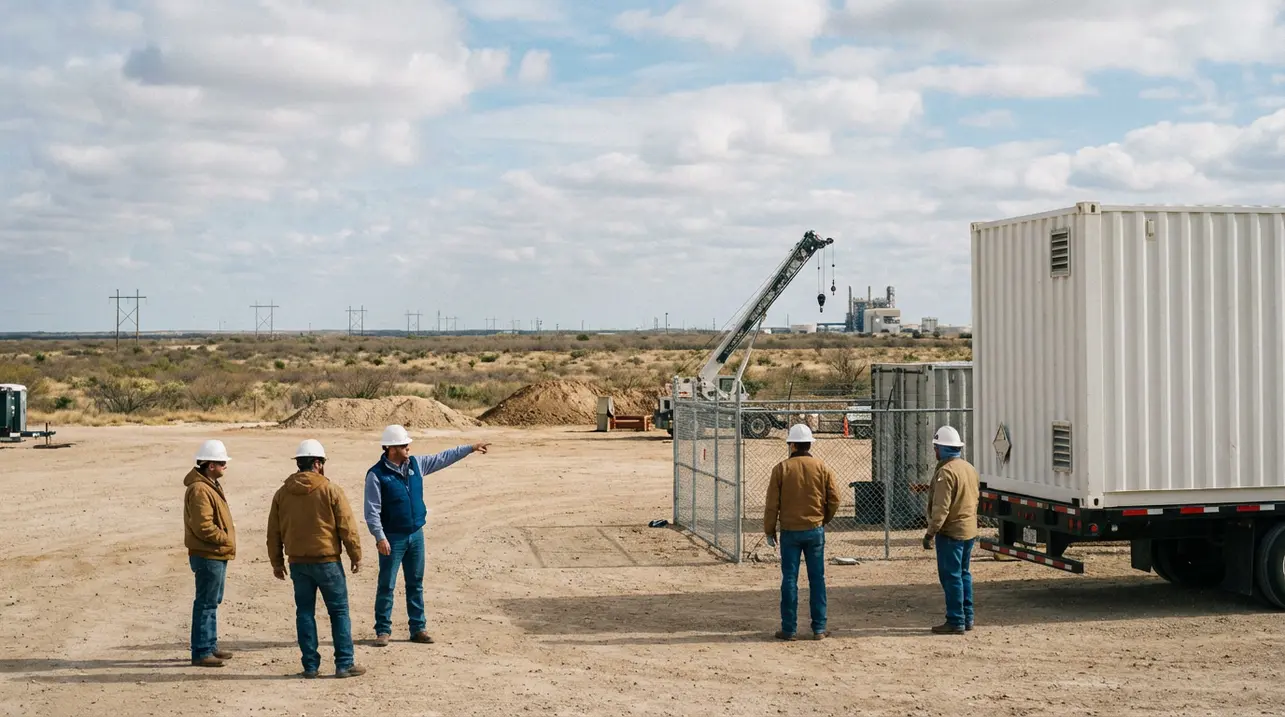
In a move that feels ripped from the pages of a near-future sci-fi novel, the nuclear energy startup Last Energy has just secured a formidable $100 million war chest, with its sights set firmly on the Texas horizon. This isn't about building another monolithic, decade-long power plant project; it’s a targeted bet on the potential of microreactors, specifically a compact 5-megawatt pilot unit the company aims to flick on as soon as next year.Think of it not as a power station, but as a power pod—a self-contained, factory-built unit that could, in theory, be deployed almost anywhere to provide clean, relentless baseload energy. The significance of this funding round extends far beyond a simple corporate milestone; it’s a critical test flight for a technology that promises to radically democratize and decentralize one of humanity's most powerful, yet historically centralized, energy sources.For decades, the nuclear industry has been shackled by its own scale, with projects like the Vogtle plant in Georgia becoming synonymous with astronomical costs and construction timelines measured in presidential administrations. Last Energy, and a growing cohort of advanced nuclear firms like Oklo and NuScale, are attempting a paradigm shift akin to the transition from room-sized mainframes to the smartphone in your pocket.By radically shrinking the physical footprint and standardizing manufacturing, they aim to sidestep the bespoke, on-site construction nightmares that have plagued traditional nuclear. The choice of Texas as the proving ground is a masterstroke in geopolitical and economic symbolism.The state is a global energy capital, a land where oil derricks and wind turbines already share the skyline, and where a fiercely independent grid operated by ERCOT has famously prized reliability and market-driven solutions. Deploying a novel fission technology here is a bold statement of commercial intent, targeting customers like data centers, industrial campuses, or remote communities that need always-on power without the carbon footprint of gas peakers or the intermittency of renewables.The planned 5 MW output is particularly telling—it’s not designed to power a city, but to anchor a specific, high-value industrial load, a concept known as 'energy-as-a-service. ' However, the cosmic promise of microreactors is tempered by a dense asteroid field of regulatory, logistical, and public perception challenges.The Nuclear Regulatory Commission (NRC) in the United States is still adapting its licensing frameworks for these novel, smaller designs, a process that remains a formidable gantlet to run. There’s also the perennial question of fuel: these reactors typically require High-Assay Low-Enriched Uranium (HALEU), a supply chain currently dominated by Russia, creating a pressing national security and logistics hurdle that the U.
#nuclear energy
#micro reactor
#startup funding
#clean energy
#Texas pilot
#featured