Japanese scientists just built human brain circuits in the lab
KE
3 weeks ago7 min read
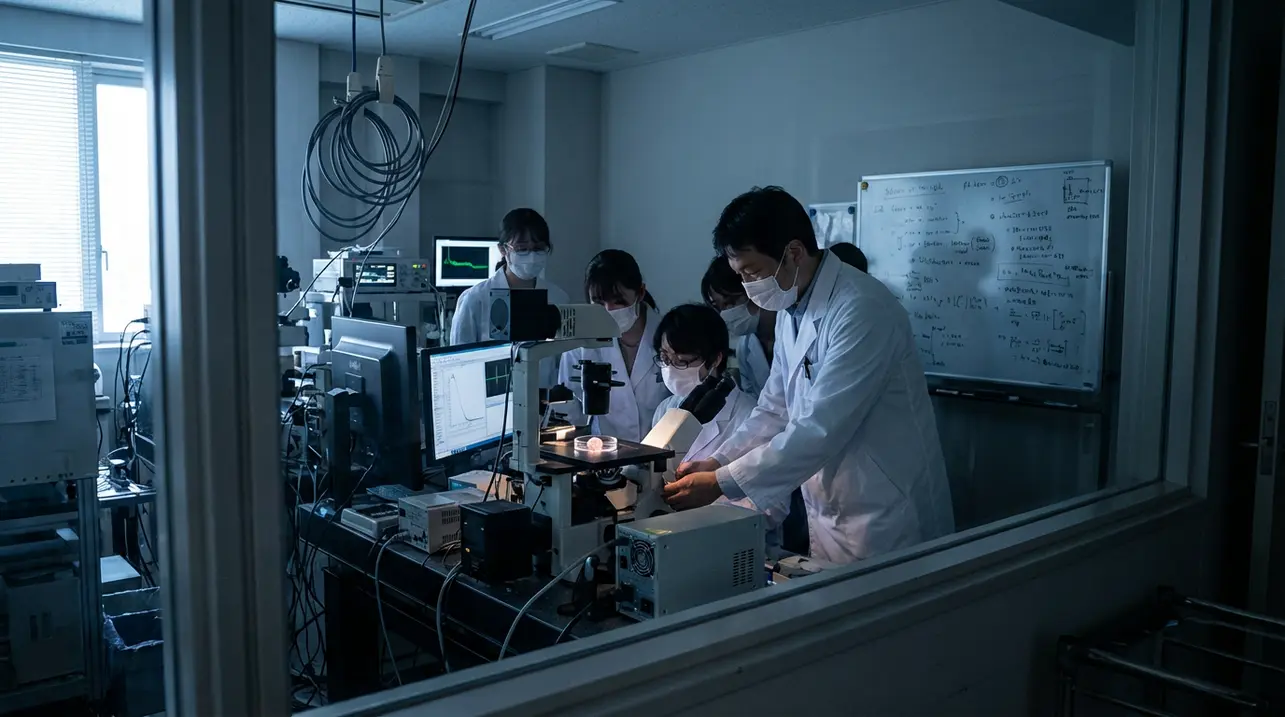
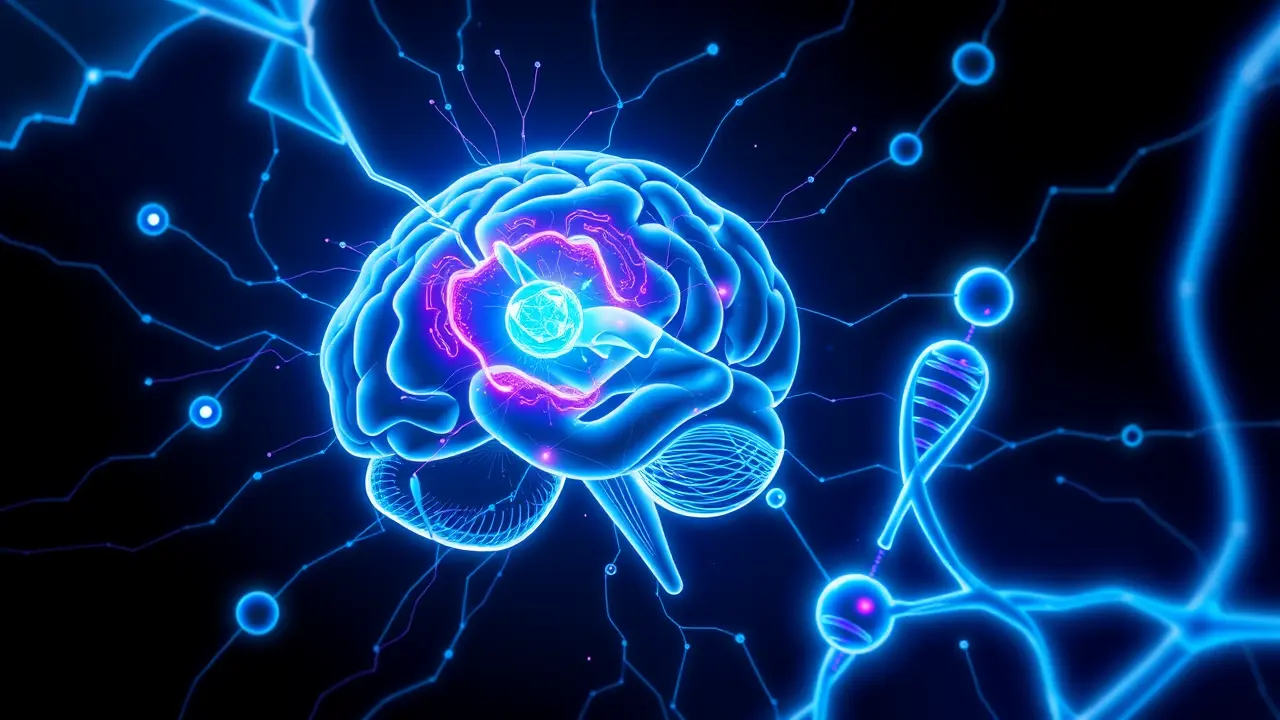
In a development that feels ripped from the pages of a near-future sci-fi novel, a team of Japanese researchers has achieved a breathtaking feat of biological engineering: constructing functional human brain circuits in a petri dish. This isn't just about growing neurons in a blob; they’ve successfully fused two distinct, stem-cell-derived brain organoids—one mimicking the cerebral cortex, the other the thalamus—and watched in real time as they wired themselves together and began to communicate.The implications are staggering, offering a living, breathing model of early human brain development that could revolutionize our understanding of neurological and psychiatric disorders. For years, the quest to model the brain’s staggering complexity has been the holy grail of neuroscience.Animal models, while invaluable, fall short in capturing the unique developmental trajectory and intricate circuitry of the human brain. Enter organoids, these self-organizing three-dimensional tissues grown from human pluripotent stem cells.They’ve been a game-changer, allowing scientists to cultivate mini-versions of organs like the liver, kidney, and specific brain regions. But the brain doesn’t operate in isolated modules; it’s a symphony of interconnected regions.The cortex, the seat of higher-order thinking, and the thalamus, the central relay station filtering sensory information, have a particularly profound developmental dialogue. Until now, observing that critical cross-talk in a human context was impossible.The team, led by scientists from the University of Tokyo and the RIKEN Center for Biosystems Dynamics Research, cracked this code. They didn’t just place cortical and thalamic organoids next to each other; they physically fused them, allowing axons—the long, wire-like projections of neurons—to grow and form functional synapses.Using advanced imaging techniques like calcium imaging, they witnessed the thalamus sending signals that triggered synchronized, oscillatory activity in specific layers of the cortical neurons. This wasn’t random noise; it was organized network behavior, a fundamental hallmark of a working brain circuit.The most decisive finding? The thalamus isn’t a passive bystander; it acts as a master conductor, playing a decisive role in maturing the cortex and organizing its neural networks. Signals from the thalamus were found to selectively activate certain neuron types while leaving others unaffected, suggesting a precise, instructional role in cortical development.This provides a tangible, experimental model to test long-held theories about how sensory experience, relayed through the thalamus, shapes the cortex during critical periods of development. The potential to transform research into neurological disorders is immense.
#lead focus news
#organoids
#thalamus
#cortex
#neural networks
#brain development
#neurological disorders
#stem cells
#research breakthrough
Stay Informed. Act Smarter.
Get weekly highlights, major headlines, and expert insights — then put your knowledge to work in our live prediction markets.
Consider conditions like autism spectrum disorder, schizophrenia, or epilepsy, where disrupted thalamocortical connectivity is strongly implicated. Researchers can now potentially create these fused organoids using stem cells derived from patients with these conditions, watching in real time where the wiring goes awry.
Does the thalamus fail to send the right maturational signals? Does the cortex respond incorrectly? This system allows scientists to move beyond post-mortem snapshots and animal approximations to observe disease progression in a human-derived neural network. Furthermore, it opens new frontiers for drug discovery and personalized medicine.
Candidate therapeutics could be tested directly on these patient-specific brain circuits to see if they can restore normal patterns of connectivity and activity, offering a more predictive model than current cell lines or animal tests. Ethically, of course, this work navigates profound questions.
These are not conscious entities—they lack the scale, structure, and sensory input of a full brain—but they represent an unprecedented step towards modeling complex human neural circuitry. The research community is acutely aware of the need for clear ethical guidelines as these models become more sophisticated.
From a biotech perspective, this is a landmark proof-of-concept. It demonstrates that we can now engineer not just tissues, but functional neural systems that recapitulate specific brain pathways.
The logical next steps are integrating other regions, like the striatum for modeling Parkinson’s, or introducing vascular cells to create a blood-brain barrier. We are edging closer to a multi-regional ‘assembloid’ approach that could model entire brain circuits involved in motor control, memory, or emotion.
The work, published in a leading journal like *Nature*, sends a clear signal: the era of reductionist brain science is giving way to an era of integrative, circuit-level human models. For scientists like Kevin White, who live at the intersection of AI and biology, this is the kind of foundational breakthrough that recalibrates the timeline for understanding—and ultimately intervening in—the most complex disorders of the human mind. It’s not just building a brain circuit; it’s building a new window into our own humanity.