SciencemedicineInfectious Diseases
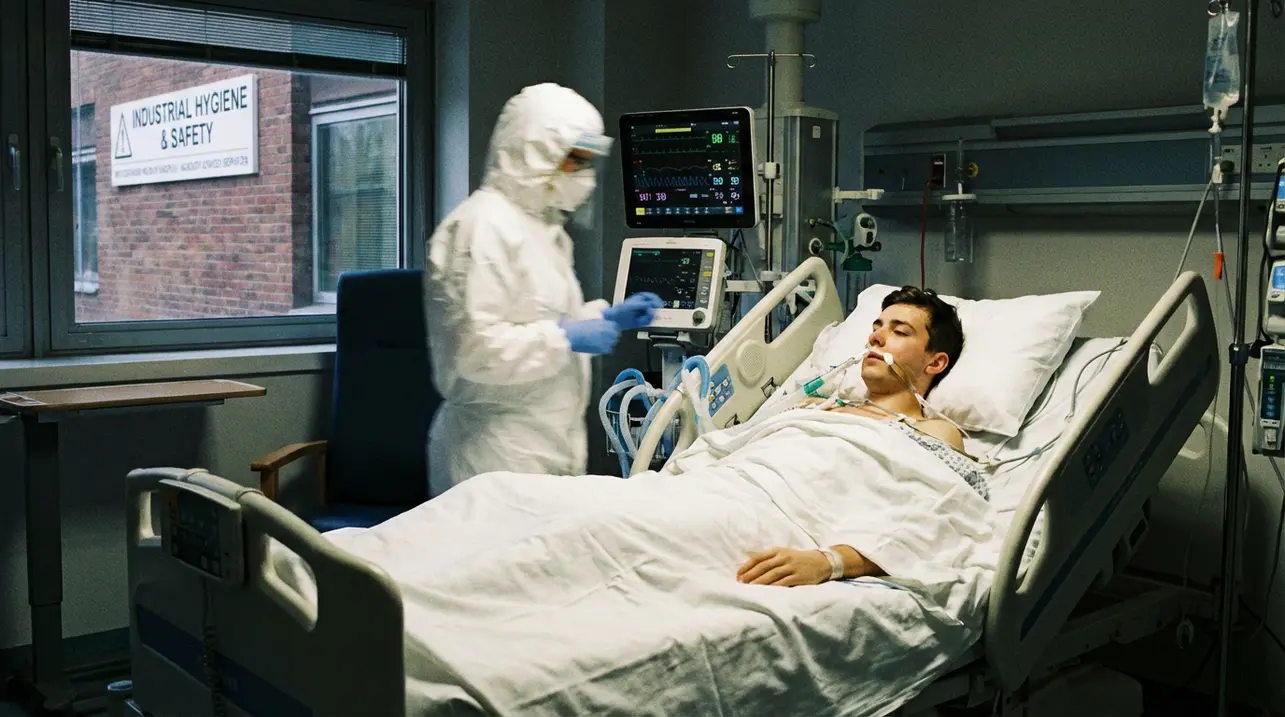
Healthy 18-year-old welder nearly died of anthrax in puzzling case.
The term 'Welder's Anthrax' might sound like a niche medical footnote, but its emergence in 2022, when seven cases were first formally identified, represents a chilling intersection of traditional industry and a terrifyingly modern biological threat. This isn't the anthrax of bioterrorism lore or agricultural outbreaks; it's a stealthy, occupational hazard that nearly claimed the life of a healthy 18-year-old welder, a case that continues to puzzle epidemiologists and industrial hygienists.To understand the gravity, we must dissect the pathogen itself. *Bacillus anthracis*, the bacterium behind anthrax, is a hardy spore-former, capable of lying dormant in soil for decades, typically infecting livestock and, through contact, humans who handle contaminated animal products, resulting in cutaneous, gastrointestinal, or the deadliest inhalational form.The welder's case, however, defies this classic transmission model. Here, the victim had no contact with animals or animal hides.The working hypothesis points to the welding process itself: the intense heat of an arc torch on contaminated metal surfaces. This theory suggests that anthrax spores, potentially originating from soil or dust on imported materials like untreated steel or even from the remains of animals that once grazed where the ore was mined, can be aerosolized by the welding plume.The heat doesn't kill the spores; it liberates them, creating an inhalable mist of microscopic pathogens that bypass the body's primary defenses and lodge deep in the lungs. This mechanism transforms a routine industrial task into a high-stakes biological gamble.The 2022 cluster that led to the term's coinage was a wake-up call, primarily identified in the southern United States, particularly in Gulf Coast states where metal fabrication is prevalent and environmental conditions might favor spore persistence. The near-fatal case of the young welder underscores a critical gap in occupational safety protocols.Standard personal protective equipment (PPE) for welding—helmets, gloves, and flame-resistant clothing—is designed for physical and thermal hazards, not for biothreats. Respirators, while common, may not be universally used or properly rated for such ultrafine biological particulates.This case forces a re-evaluation of material sourcing and worksite hygiene. Are we tracking the provenance of raw metals with the same rigor we apply to food or pharmaceuticals? Should environmental spore testing become a standard pre-work checklist in certain regions or for specific types of scrap metal? The implications stretch beyond welding to any hot-work process—grinding, cutting, torch-brazing—that could aerosolize contaminants from a material's surface.
#anthrax
#welder
#occupational hazard
#infectious disease
#public health
#puzzling cases
#lead focus news