Harmful mouth bacteria may trigger Parkinson’s disease
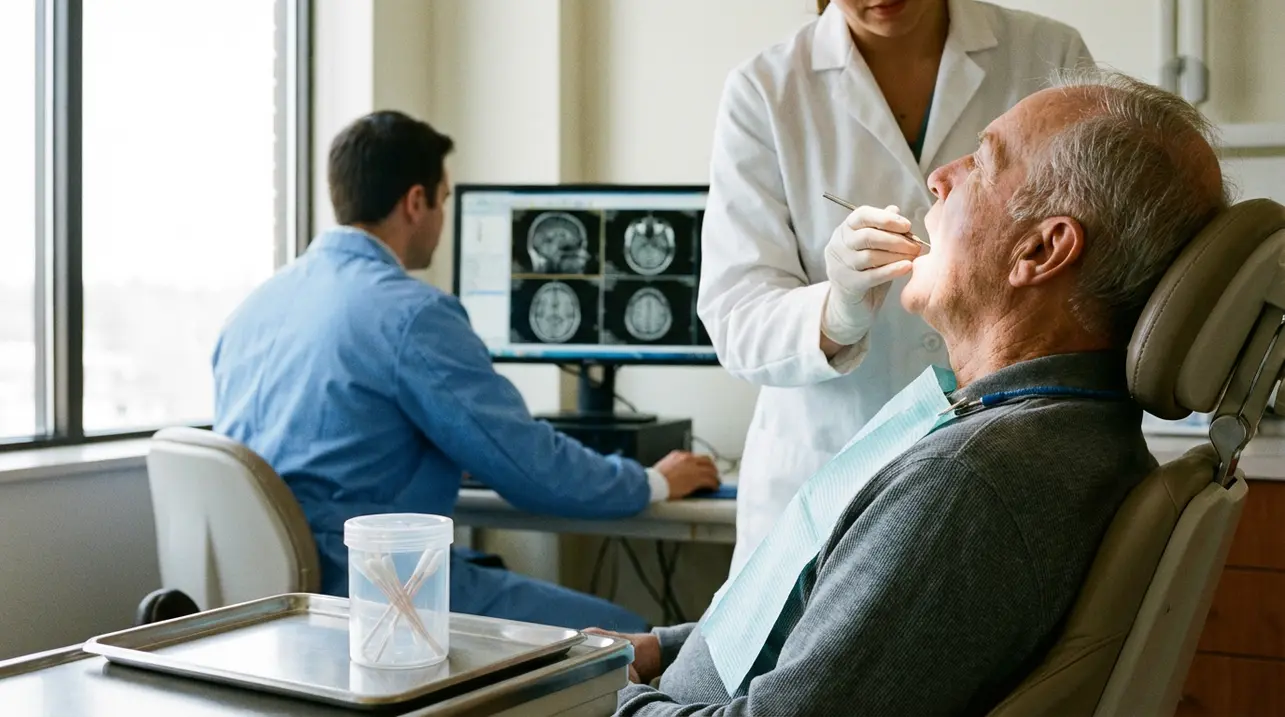
The discovery that a common oral bacterium, *Streptococcus mutans*—long vilified as the primary architect of dental cavities—might be a stealthy instigator of Parkinson’s disease represents a paradigm shift in our understanding of neurodegenerative disorders. This isn't just another incremental finding in the crowded field of microbiome research; it's a compelling narrative that ties the health of our mouths directly to the fate of our brains, suggesting a pathogenic pathway that could fundamentally alter preventive neurology.In a series of meticulously designed animal studies, researchers observed that when this oral microbe colonizes the gut, it doesn't just sit idly. Instead, it begins to produce specific metabolites and inflammatory compounds that can breach the intestinal barrier, enter the systemic circulation, and ultimately cross the blood-brain barrier.Once in the brain's milieu, these compounds appear to selectively target and damage dopaminergic neurons in the substantia nigra, the very cells whose progressive loss defines Parkinson's disease, leading to hallmark symptoms like tremors, rigidity, and bradykinesia in the test subjects. The mechanistic link appears to be a potent inflammatory cascade; the bacterial byproducts trigger a sustained immune response, activating microglia—the brain's resident immune cells—into a chronic state of aggression that inadvertently damages the surrounding neural architecture.This process mirrors the neuroinflammation consistently observed in the brains of human Parkinson's patients, offering a tangible microbial source for a phenomenon that has long been suspected but poorly understood. The implications are profound, extending far beyond the lab.For decades, the search for Parkinson's etiology has oscillated between genetic predispositions and environmental toxins, but the 'gut-brain axis' has emerged as a critical third frontier, championed by pioneers like Dr. Heiko Braak, whose staging theory proposed the disease might start in the gut.This new research provides a specific, testable actor for that theory: a ubiquitous bacterium from our oral cavity. It suggests that routine dental health—preventing gum disease and cavities—could be a surprisingly potent form of neurological prophylaxis.Experts in the field, while cautious, are intrigued. Dr.Viviane Labrie, a neuroscientist at the Van Andel Institute not involved in this specific study, notes, 'If these findings hold in human populations, we are looking at a potential public health strategy where improved oral hygiene and targeted probiotics could become part of a multi-pronged approach to mitigate Parkinson's risk, especially in genetically susceptible individuals. ' The research also opens new avenues for diagnostics; could a simple oral swab or gut microbiome analysis one day help stratify an individual's risk profile? Furthermore, it challenges the pharmaceutical paradigm, pointing toward novel therapeutic targets that could involve antimicrobial peptides, anti-inflammatory agents designed to calm gut-derived immune signals, or even fecal microbiota transplants to reset a dysbiotic ecosystem.
#lead focus news
#Parkinson's disease
#oral bacteria
#gut-brain axis
#neurodegeneration
#inflammation
#research