Scienceclimate scienceClimate Change
Europe's Ski Resorts Struggle with Climate Change and Lack of Snow
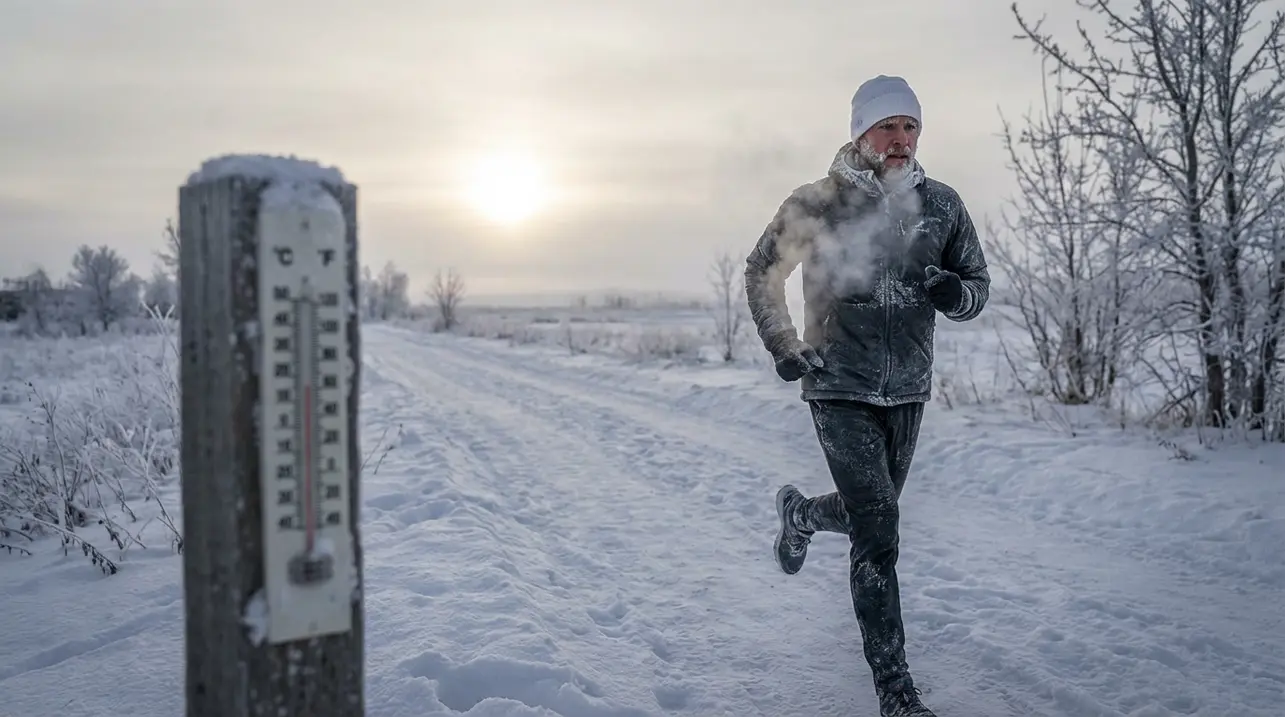
The iconic, snow-blanketed slopes of the European Alps, long the beating heart of winter tourism, are facing an existential crisis that feels less like a distant forecast and more like a visceral, present-tense reality. Across resorts from the French Pyrenees to the Austrian Tyrol, a persistent pattern of warmer winters and diminished snowfall is not merely a bad season; it’s a fundamental rewiring of the environment upon which a multi-billion euro industry was built.This isn't just about shorter ski runs or a few disappointed holidaymakers; it's a stark, real-time case study in climate adaptation, forcing a painful and expensive reckoning for communities whose identities and economies are inextricably linked to a cold, white winter. The traditional model—relying on natural snowfall and freezing temperatures from December through April—is fracturing.Last season, villages at lower altitudes, some below 1,500 meters, sat eerily green and brown well into January, their chairlifts motionless and their hotels silent, while even higher-altitude bastions like Zermatt and Val Thorens have become increasingly dependent on a vast, energy-intensive arsenal of snow cannons, which themselves require specific cold, dry conditions to operate effectively. The science is unequivocal: a 2023 study by the University of Basel projected that, under a high-emissions scenario, over 90% of Alpine ski resorts could face very high snow scarcity by the end of the century, with those below 1,800 meters becoming virtually unviable without artificial snow.This environmental shift triggers a cascade of consequences. Local ecosystems suffer as artificial snow, denser and melting later, alters soil composition and delays spring plant growth.Water resources are strained, with snowmaking consuming millions of cubic liters—often drawn from mountain reservoirs that also supply agriculture downstream in the summer. Economically, the pressure is immense.Small, family-run resorts lack the capital for the snowmaking arms race or diversification, risking closure and the depopulation of mountain valleys. Larger corporations are investing heavily, not just in snow guns, but in a desperate pivot to becoming 'all-season' destinations, constructing mountain bike trails, zip lines, and spa complexes in a bid to attract visitors year-round.Yet, this transformation is fraught with its own ecological and aesthetic costs, turning pristine landscapes into engineered adventure parks. The human dimension is profound.For generations, skills passed down—from ski instructing to piste grooming—are being devalued. The cultural fabric of these regions, woven around winter rituals and communal life in the snow, is fraying.
#climate change
#ski resorts
#Europe
#snow shortage
#tourism
#business adaptation
#lead focus news