SciencebiologyEvolution and Ecology
Biophobia: Nature-Induced Stress Is Increasing Globally
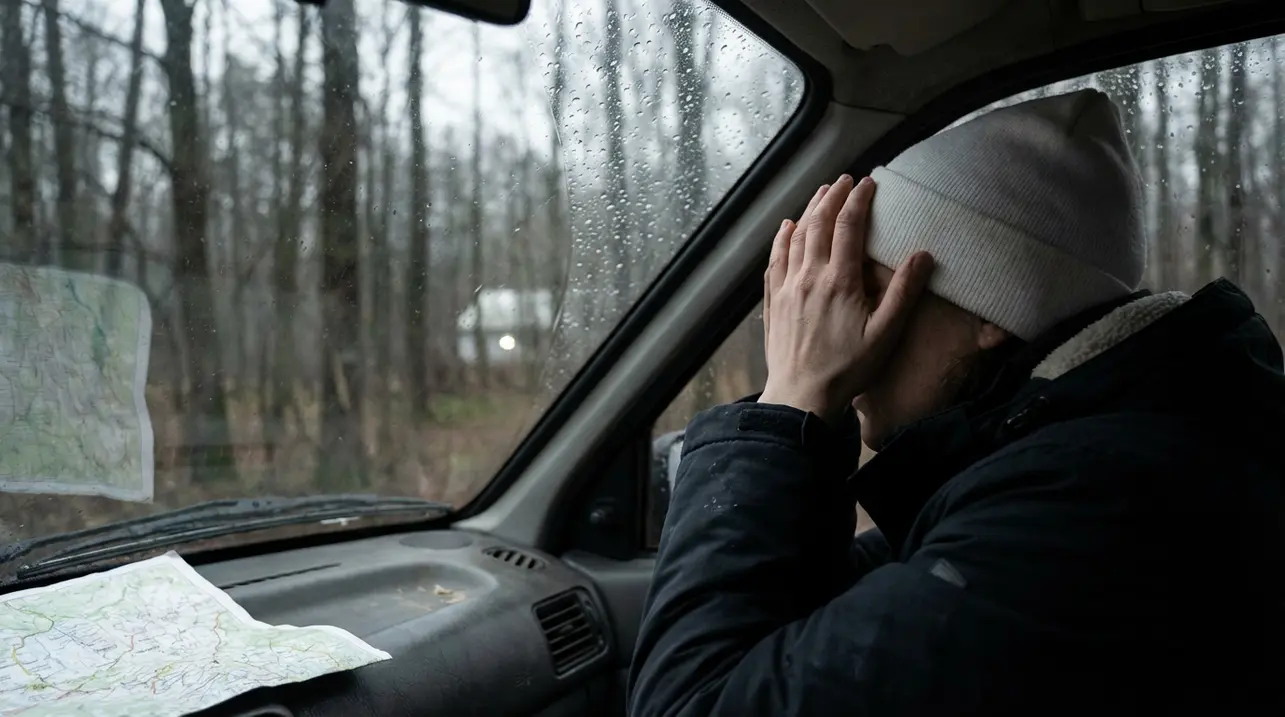
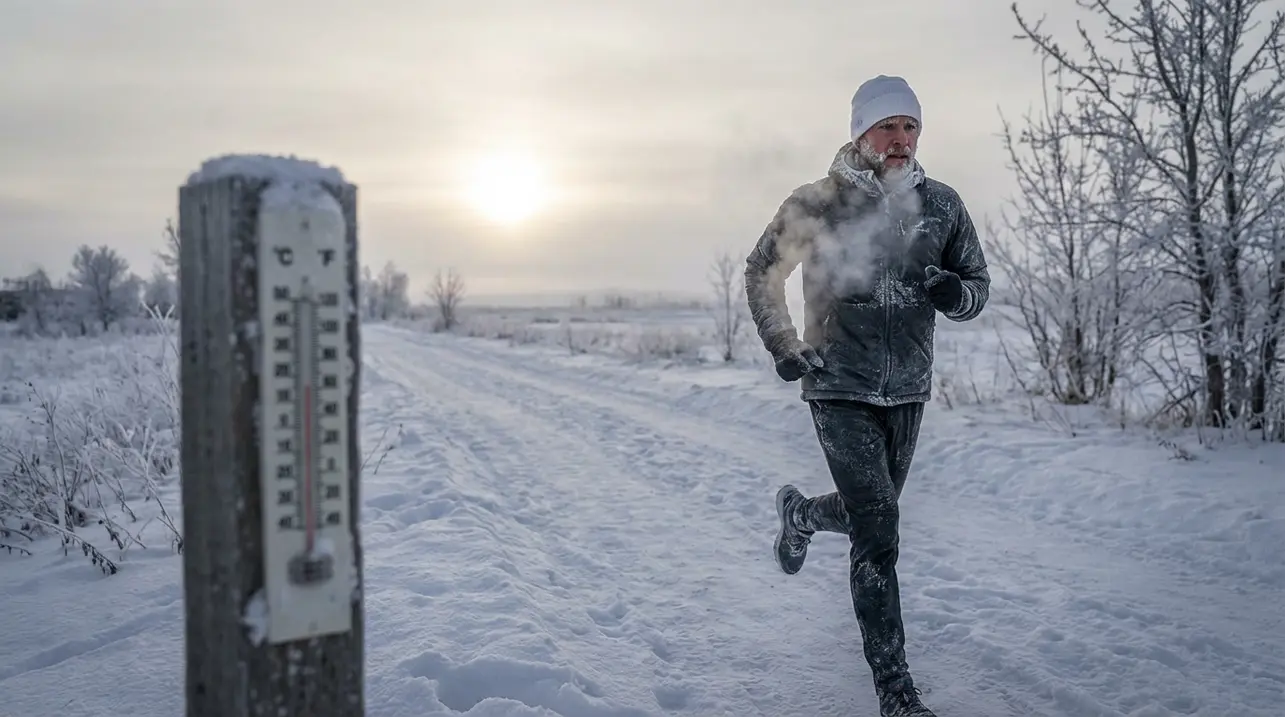
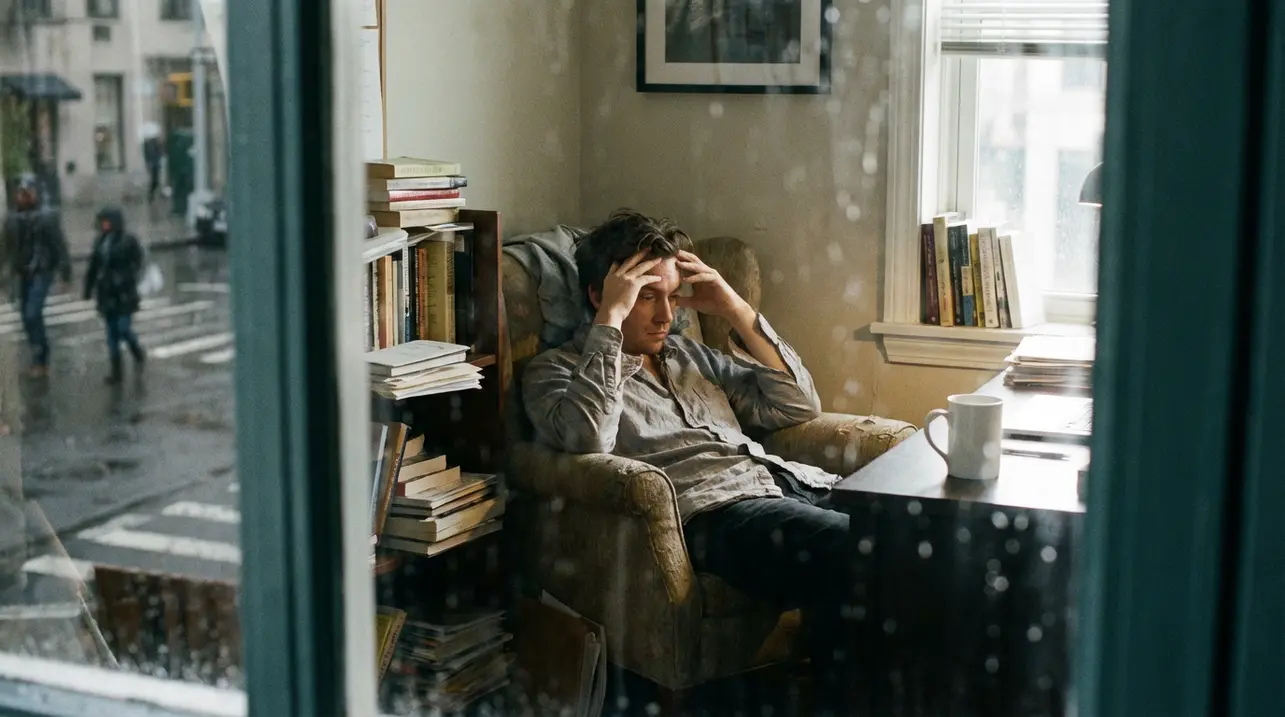
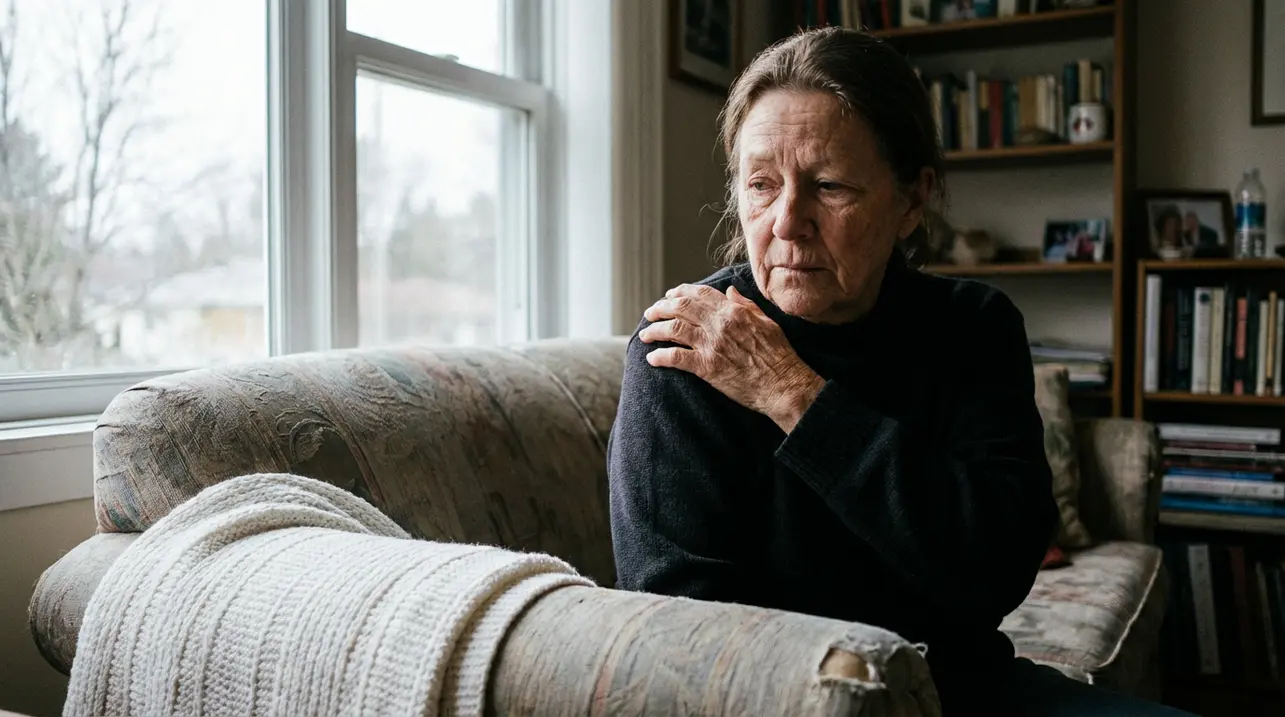
The notion that a walk in the woods or a day at the beach is a universal panacea for modern stress is being fundamentally challenged by a growing body of research. For a significant and increasing number of people, nature doesn’t soothe—it triggers a profound sense of anxiety, discomfort, or an urgent need to retreat indoors, a reaction scientists term biophobia.A comprehensive new review, synthesizing nearly two hundred studies, suggests this aversion is not a fringe phenomenon but a rising global trend, one with deep implications for public health, urban planning, and our collective relationship with the living world. This isn't merely about disliking bugs or bad weather; it's a visceral, often debilitating stress response to natural environments, and its escalation is intricately linked to the very environmental crises we face.The data paints a concerning picture: as urbanization accelerates and generations grow up with increasingly screen-mediated experiences, direct, unstructured contact with nature plummets. This creates a feedback loop of alienation, where unfamiliarity breeds discomfort, and discomfort reinforces avoidance.We are, in a very real sense, cultivating a society estranged from its own ecological foundation. The consequences are far-reaching.On a personal health level, this biophobic stress negates the well-documented physiological benefits of nature exposure—reduced cortisol, lowered blood pressure, enhanced immune function—and instead activates the body's fight-or-flight response to what should be a sanctuary. On a societal scale, it erodes the foundational empathy for ecosystems necessary to drive conservation action.How can we expect people to fight for the preservation of rainforests, wetlands, or even local parks if they are psychologically conditioned to find them unsettling or threatening? Experts point to several intertwined drivers. The loss of biodiversity itself plays a role; simplified, degraded ecosystems often feel 'wrong' or unsettling.Media narratives that consistently frame wilderness as a place of peril—rife with pathogens, predatory animals, and existential threats—seed a culture of fear. Furthermore, the climate crisis adds a potent new layer, with legitimate anxieties about extreme weather, wildfires, and shifting disease vectors coloring every outdoor experience.This isn't an irrational phobia but, in many cases, a conditioned response to a world presented as increasingly hostile. The path forward requires deliberate, multi-generational intervention.Biophilia, the innate human affinity for life and life-like processes, must be nurtured through early, positive, and repeated exposure. Urban design must move beyond token green spaces to create immersive, accessible, and biodiverse corridors that invite interaction rather than mere observation.
#biophobia
#nature
#stress
#psychology
#research
#environmental health
#lead focus news