Age does not stop nerve healing after spinal cord injury
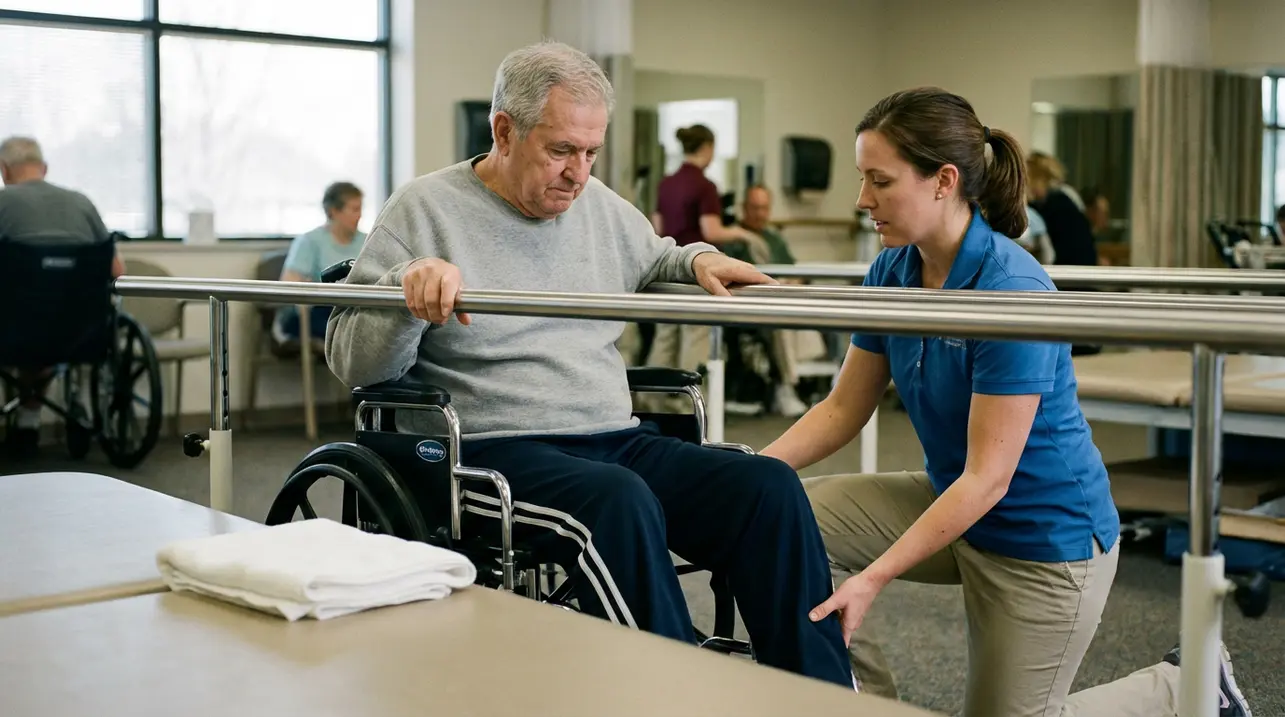
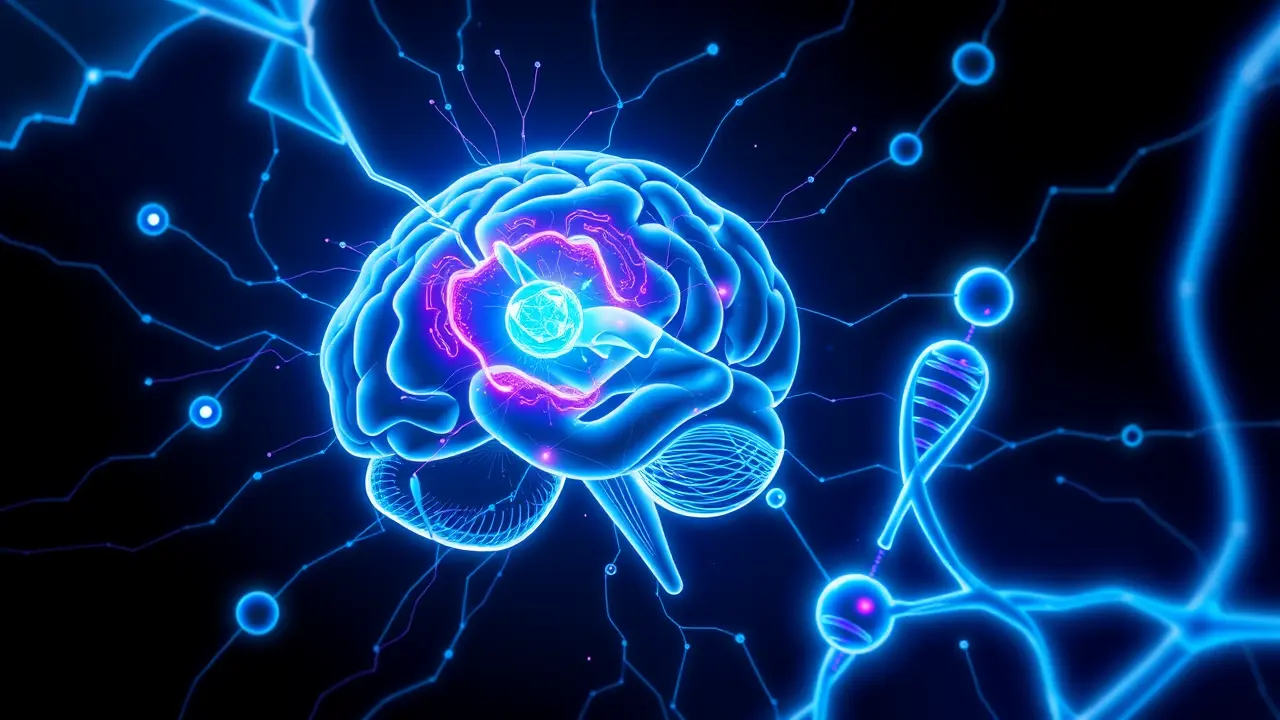
In a finding that upends long-held assumptions about neurobiology and aging, new research indicates that the chronological age of a patient may be far less of a barrier to neurological repair than previously believed, particularly in the devastating context of spinal cord injury. For decades, the clinical narrative has been grimly consistent: older patients facing such trauma could expect poorer functional outcomes, a trend largely attributed to an inherent decline in the nervous system's regenerative capacity.However, this emerging study, peeling back the layers of cellular recovery, reveals a more nuanced and surprisingly optimistic picture. It appears that the core machinery of nerve healing—the axons' ability to regrow and re-establish connections—does not significantly decelerate with age.In controlled assessments, older individuals demonstrated rates of regained strength and sensation that were comparable to their younger counterparts, suggesting that the fundamental biological potential for repair remains remarkably resilient well into later life. This revelation is particularly critical as demographic shifts see spinal cord injuries increasingly affecting an older population, often due to falls or degenerative conditions, transforming the injury profile from one dominated by younger trauma patients to a more age-diverse cohort.Yet, the research delineates a crucial and sobering distinction: while the nerves themselves may heal with similar vigor, the translation of that healing into tangible, everyday function—walking, dressing, managing personal care—shows a stark and undeniable decline with advancing age. This functional gap points the investigative finger away from the neurons and toward the broader physiological ecosystem: the supporting cast of non-neural cells, the systemic inflammatory milieu, the integrity of muscle tissue, and the overall resilience of the body's other systems, which collectively create what scientists term the 'host environment.' For an older individual, this environment is often compromised by co-morbidities like reduced cardiovascular fitness, sarcopenia (age-related muscle loss), or a heightened inflammatory state, all of which can stifle the practical application of neurological gains. It's akin to repairing the central processor of a computer to factory specifications, but then finding the peripheral devices and power supply are too degraded to run complex new programs.This paradigm shift carries profound implications for the future of neuro-rehabilitation and biotech intervention. It suggests that therapeutic strategies must evolve from a singular focus on promoting nerve regeneration—a monumental challenge in itself—to a more holistic, systems-biology approach that concurrently addresses these age-related systemic roadblocks.
#spinal cord injury
#nerve healing
#aging
#recovery research
#rehabilitation
#neuroscience
#lead focus news