SciencemedicineMedical Technology
AI finds a hidden stress signal inside routine CT scans
KE1 day ago7 min read2 comments
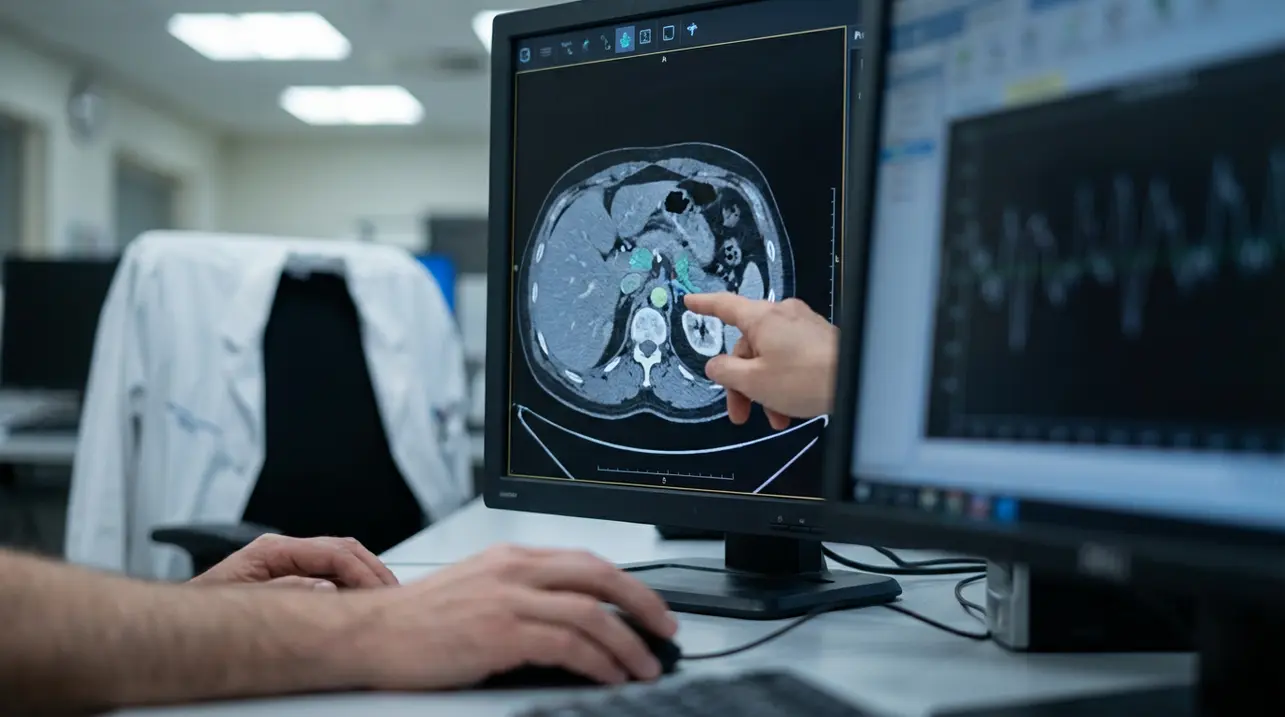
In a fascinating convergence of artificial intelligence and clinical medicine, researchers have leveraged a deep learning model to extract a novel, hidden biomarker of chronic stress from the most routine of medical scans. The discovery centers on the adrenal glands—those small, cap-like organs perched atop our kidneys that are the body's primary cortisol factories.By training an AI to meticulously measure adrenal gland volume in standard abdominal and chest CT scans, a task too nuanced and time-consuming for the human eye in clinical practice, scientists have unveiled the 'Adrenal Volume Index. ' This isn't just another abstract metric; it represents the first imaging-based signature of allostatic load, the cumulative wear and tear on the body from chronic stress.The findings are profound: this AI-derived index shows a strong correlation not only with actual cortisol levels and patients' own perceived stress but, more critically, with long-term cardiovascular outcomes, including a heightened risk for heart failure. This breakthrough, published in a leading radiology journal, essentially turns a ubiquitous diagnostic tool into a crystal ball for physiological strain, mining existing data for signals we never thought to look for.The implications are staggering for preventive medicine. Imagine a future where a CT scan ordered for abdominal pain or a routine cancer screening automatically flags a patient's elevated stress burden, years before clinical symptoms of heart disease manifest.It reframes chronic stress from a subjective psychological experience into a quantifiable, anatomical reality with direct pathological consequences. The research builds on decades of endocrinology linking chronic cortisol exposure to inflammation, hypertension, and metabolic syndrome—the very pathways that lead to heart failure.What the AI has done is provide a scalable, objective window into this process. Experts in biotech and computational medicine are hailing this as a paradigm shift, a move from reactive to predictive health analytics.However, it also opens a Pandora's box of ethical and practical questions. How will this data be used by insurers or employers if it becomes a standard part of a medical record? Can—and should—we intervene medically based on an AI's reading of our adrenal size? Furthermore, it validates a growing trend in biotech: the use of deep learning not to create new diagnostics, but to reinterpret existing ones, squeezing unprecedented value from the petabytes of medical imaging data already sitting in hospital archives.This is precision medicine in its truest sense, moving beyond genetics to a dynamic, systems-level understanding of health. As AI continues to dissect the hidden language of human biology within pixels and voxels, we are stepping into an era where our medical images will tell stories about our past pressures and future risks that we are only beginning to understand how to read.
#lead focus news
#artificial intelligence
#deep learning
#adrenal gland
#CT scans
#biomarker
#chronic stress
#cortisol
#cardiovascular risk