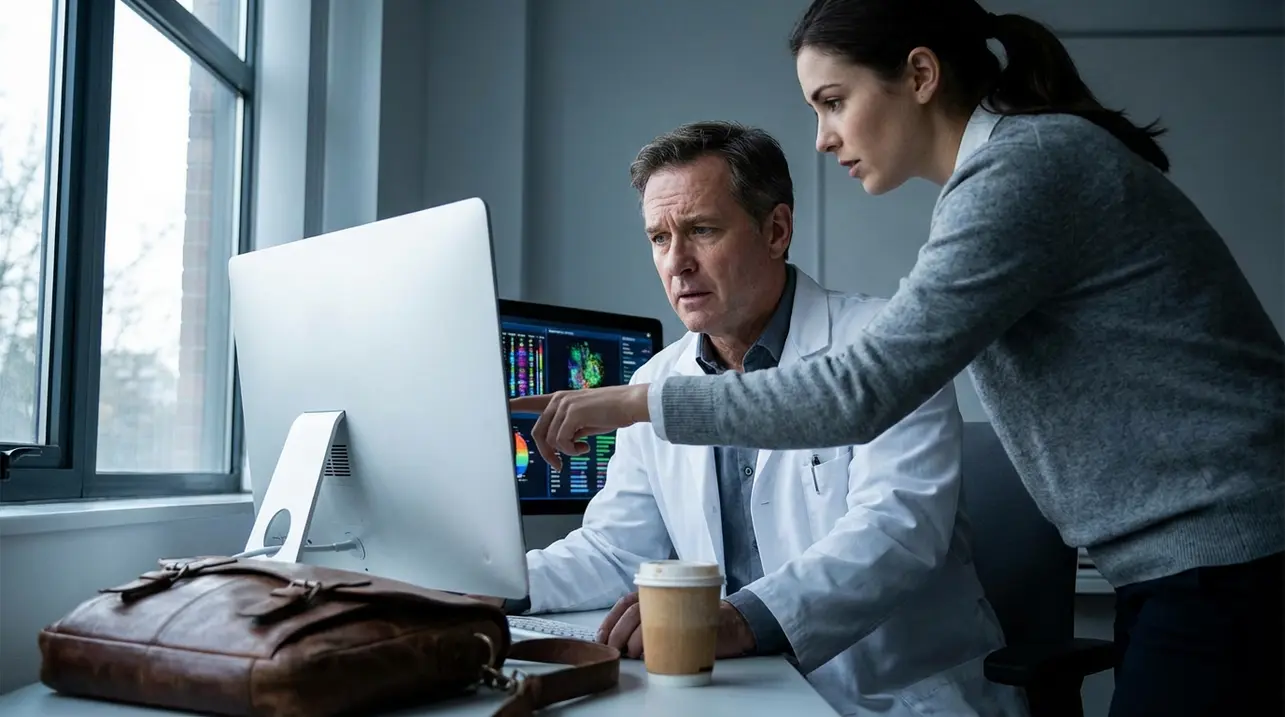
AI System Outperforms Doctors in Diagnosing Rare Diseases
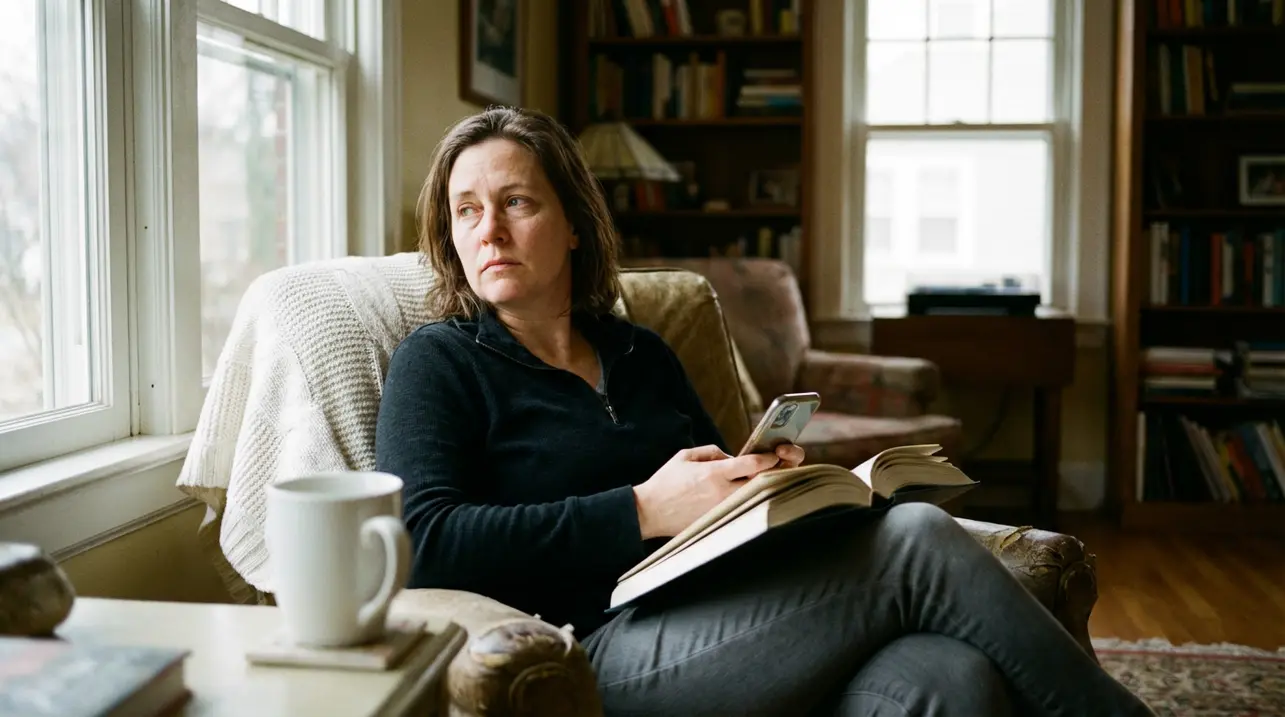
Can’t read books anymore? Neuroscience has a 5-step plan to get your focus back
Outpoll Weekly Recap: Science (March 2 – 8, 2026)
Outpoll Weekly Recap: Science (February 23 – March 1, 2026)
Outpoll Weekly Recap: Science (February 16 – 22, 2026)
Outpoll Weekly Recap: Science (February 9 – 15, 2026)
Outpoll Weekly Recap: Science (February 2 – 8, 2026)
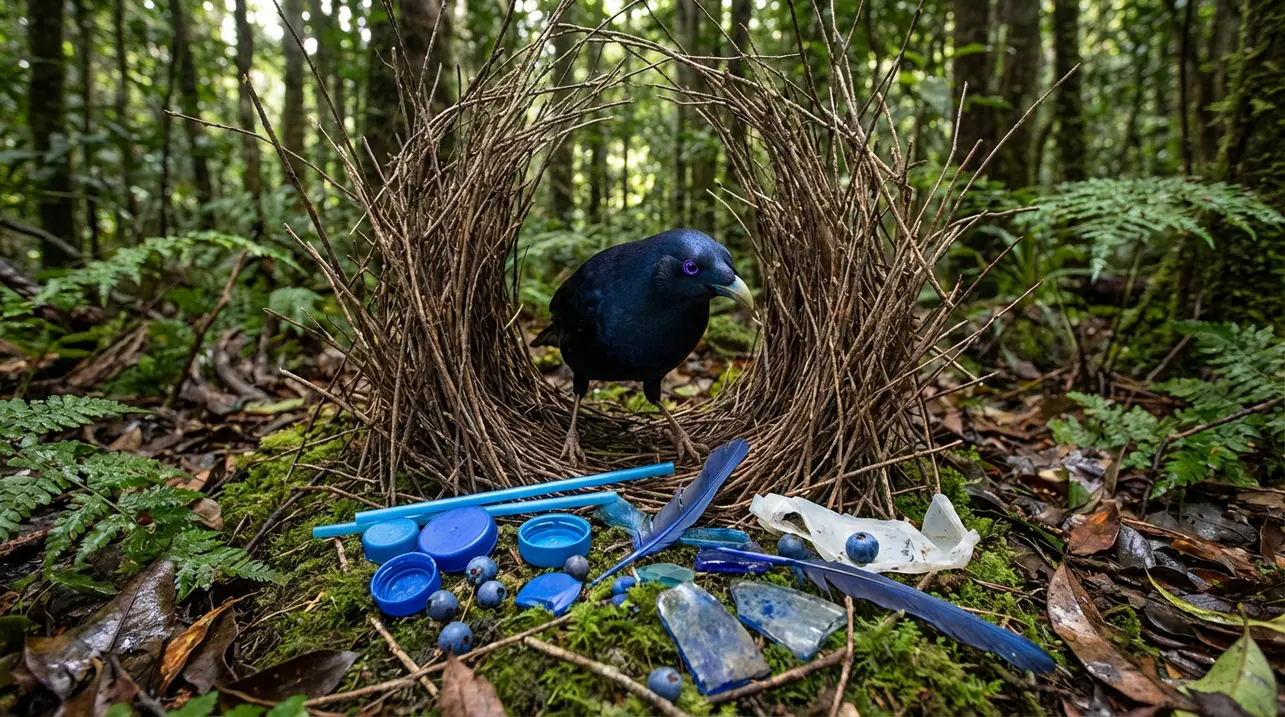
Blue Is the Color of Desire: The Science and Wonder of the Bowerbird
Outpoll Weekly Recap: Science (January 26 – February 1, 2026)
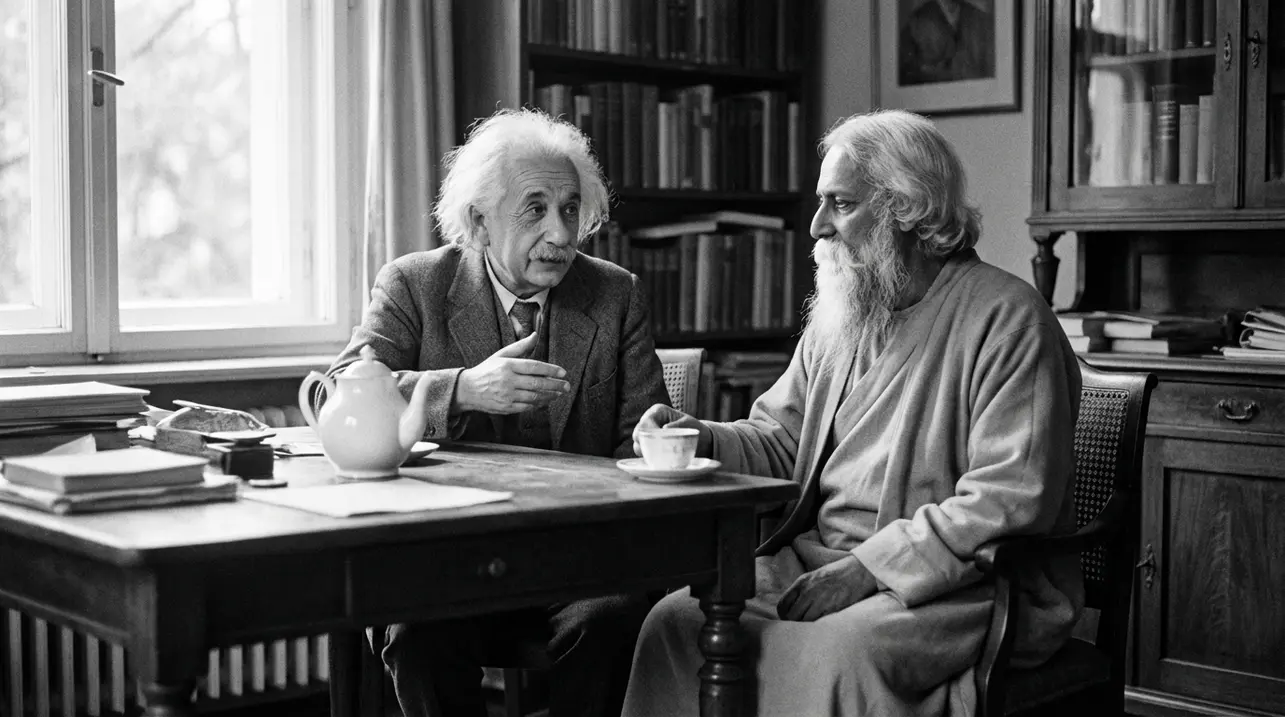
When Einstein Met Tagore: A Meeting of Science and Spirituality
Outpoll Weekly Recap: Science (January 19 – 25, 2026)
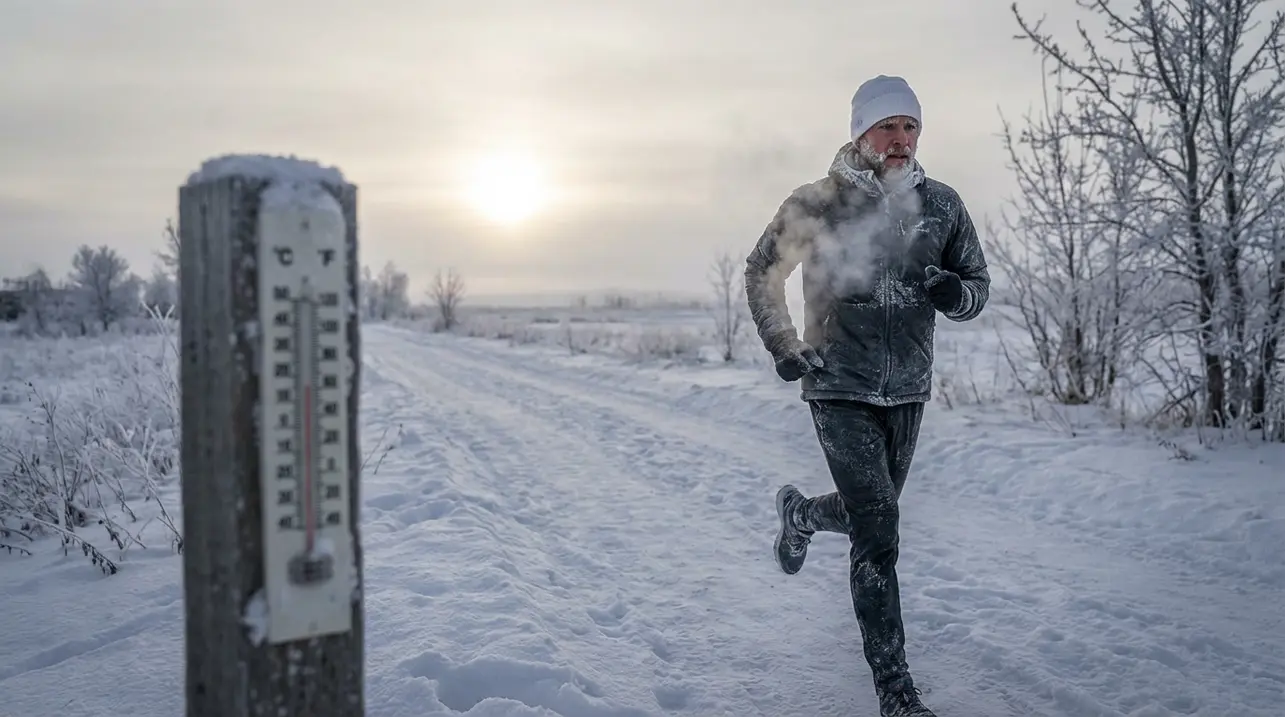
Finding Your Limit: The Science and Safety of Winter Running
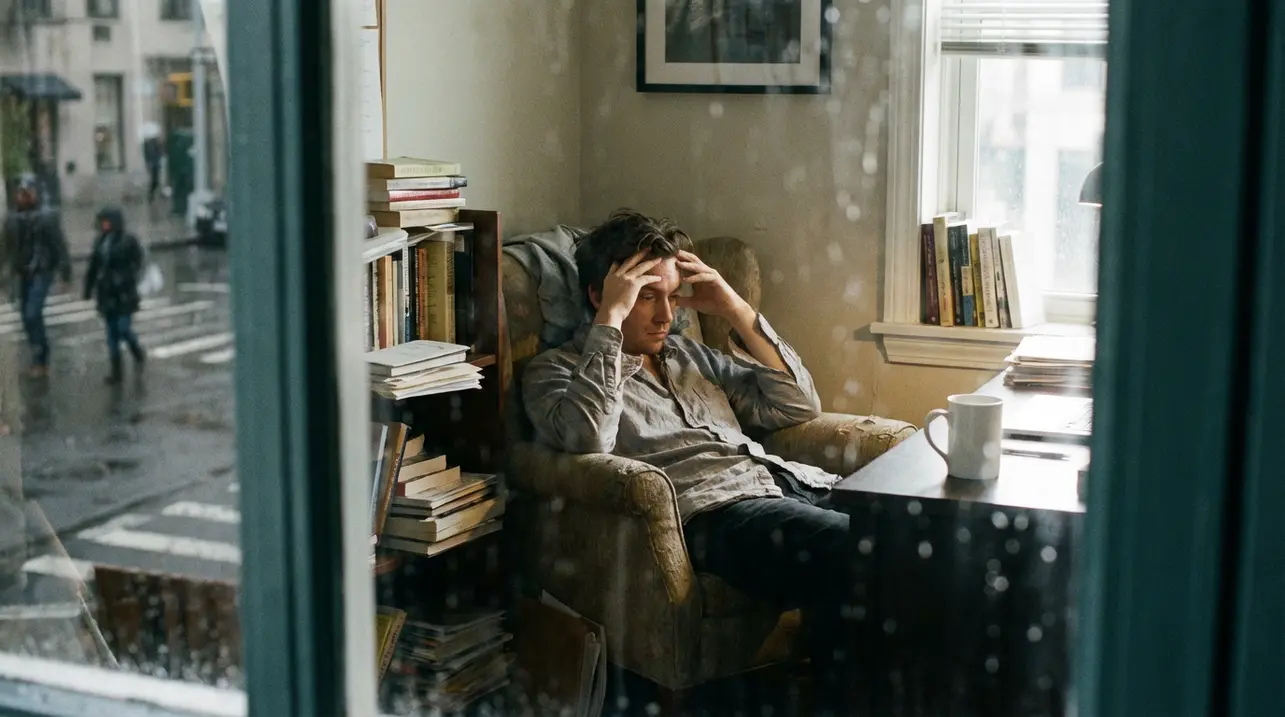
Diseases of the Will: Neuroscience Founding Father on Psychological Flaws
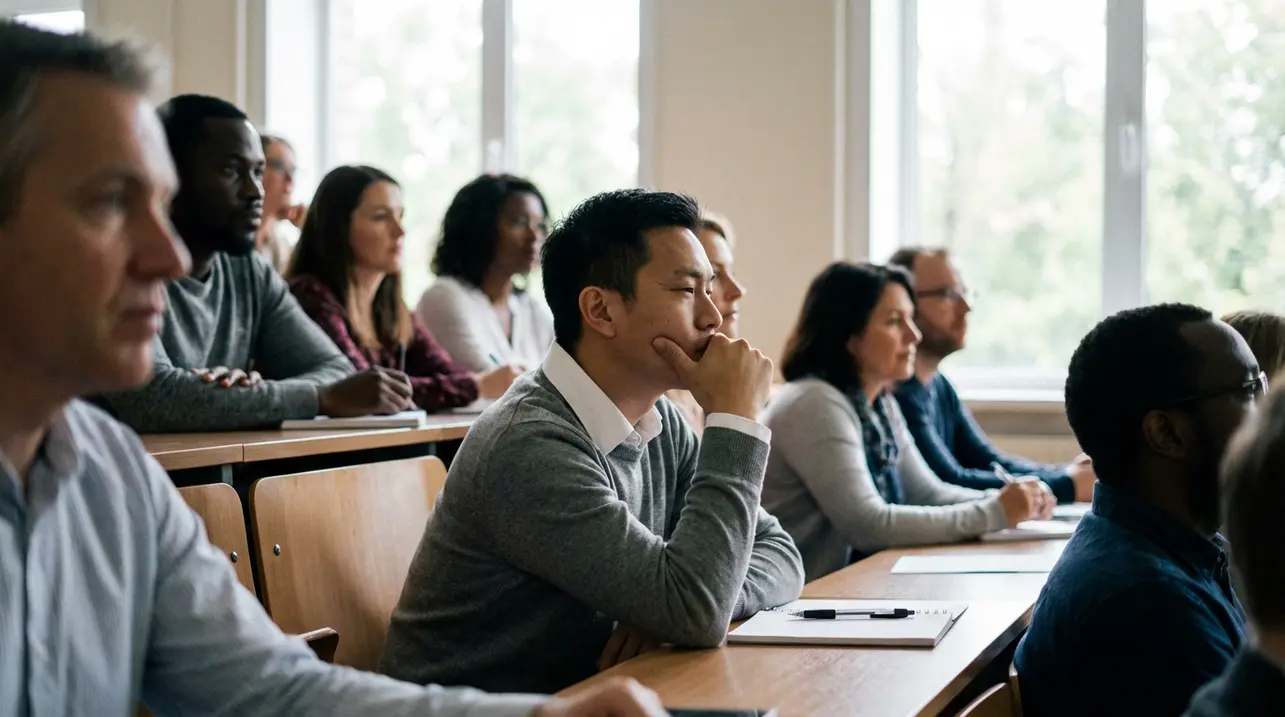
Neuroscience finds blinking slows when someone is really listening.

Outpoll Weekly Recap: Science (January 12 – 18, 2026)
Outpoll Weekly Recap: Science (January 5 – 11, 2026)
