Politicsconflict & defenseMilitary Operations
Woman Killed by ICE Officer During Minneapolis Immigration Raid
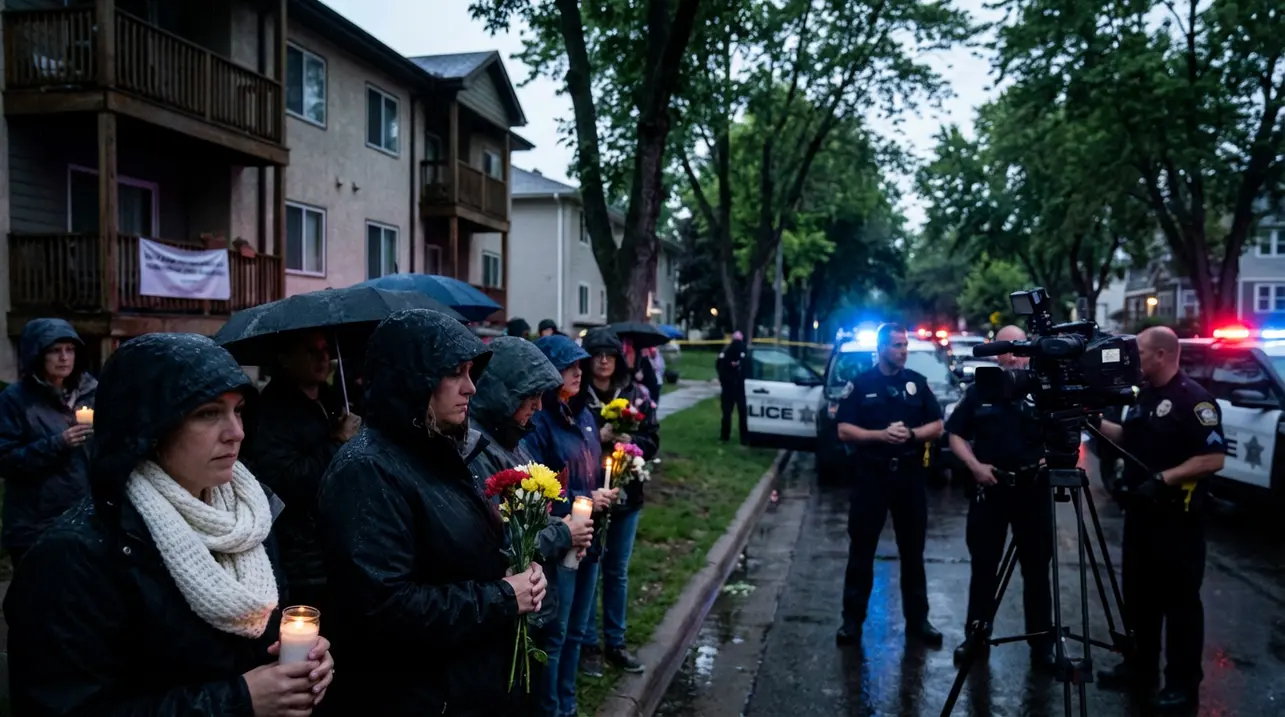
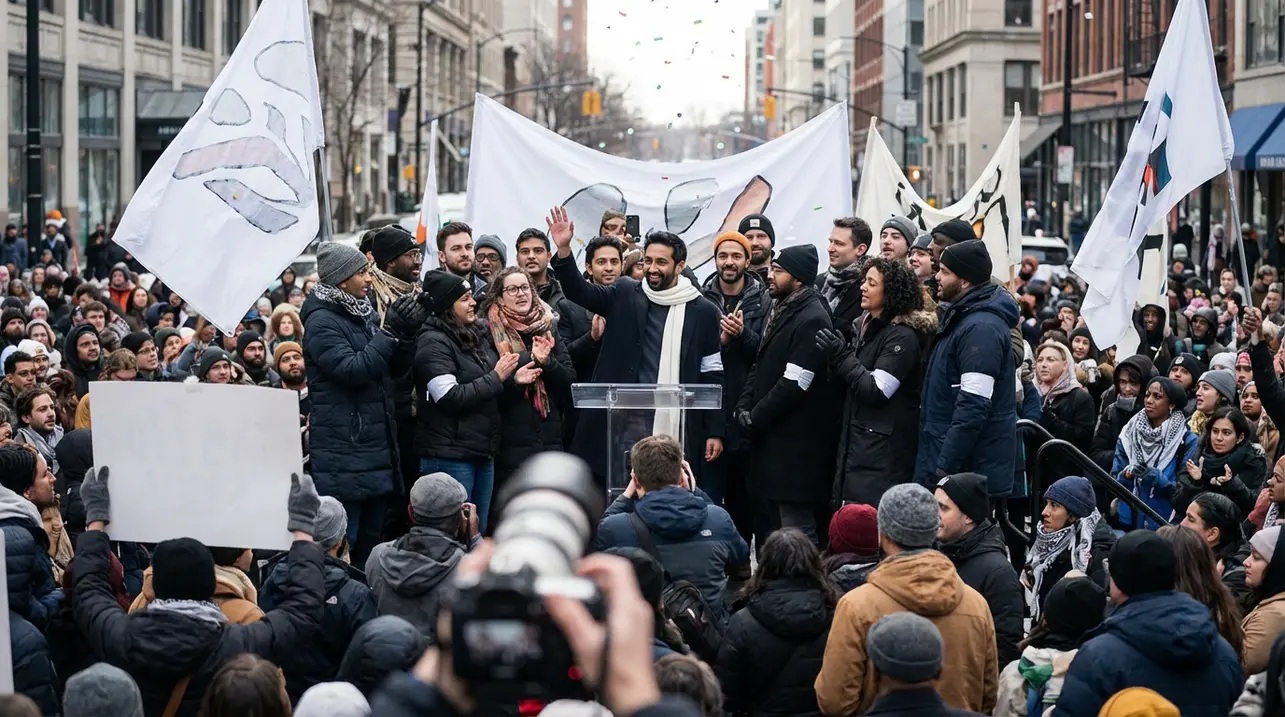
The death of a woman during an Immigration and Customs Enforcement (ICE) operation in Minneapolis has ignited a fierce and painful clash of narratives, exposing the raw nerve of immigration enforcement in American cities. While former President Donald Trump swiftly defended the officer's actions as 'self-defence,' Minneapolis Mayor Jacob Frey delivered a blistering rebuttal, demanding that ICE officers leave his city entirely—a dramatic escalation that frames the incident not as an isolated tragedy but as a fundamental conflict over jurisdiction, authority, and human life.This is more than a routine news bulletin; it is a flashpoint in the ongoing, deeply polarized debate over the role of federal immigration agents in communities that have explicitly declared themselves sanctuaries. To understand the gravity, one must look at the recent history of ICE raids, which have often been conducted with a level of opacity that fuels public fear and distrust.Advocacy groups and legal observers have long documented instances where enforcement actions, purportedly targeting specific individuals with criminal records, result in collateral arrests and terrifying encounters for families. The Minneapolis case appears to follow a tragically familiar pattern: an early morning operation, a panicked response, and a lethal outcome that leaves a community traumatized and demanding answers that may never fully come.Mayor Frey’s demand is not merely political theatre; it reflects a growing urban movement where local law enforcement, citing the need to maintain community trust for effective policing, deliberately limits cooperation with ICE. This policy schism creates a volatile environment where federal agents operate as a quasi-occupying force in the eyes of many residents, increasing the potential for tragic miscalculation and violence.The 'self-defence' claim, while a standard legal defence in officer-involved shootings, will be scrutinized against Minnesota’s use-of-force statutes and, more importantly, against the witness accounts and evidence that will inevitably emerge from the neighbourhood. Historically, such investigations are slow, often inconclusive, and rarely satisfy the public’s thirst for accountability, especially within immigrant communities where fear of retaliation can suppress testimony.The consequences here are manifold: for the victim’s family, a wrenching fight for justice; for Minneapolis, a renewed and anguished debate over public safety and immigrant rights; and for the nation, another stark reminder of the human cost embedded in its immigration enforcement machinery. This incident will undoubtedly galvanize activists, influence local elections, and potentially draw congressional scrutiny. As the facts are painstakingly pieced together by internal investigators and possibly the courts, the competing narratives of ‘self-defence’ and ‘state violence’ will battle for supremacy in the public square, each carrying profound implications for how America governs its borders within its borders.
#ICE
#fatal shooting
#immigration raid
#Minneapolis
#self-defense
#protest
#featured