

- News
- Politics
- Washington Alleges Global Complicity in China Tariff Evasion, Signaling Intensified Trade Tensions

Washington Alleges Global Complicity in China Tariff Evasion, Signaling Intensified Trade Tensions
Washington has escalated its economic pressure on Beijing by accusing over 40 countries of actively facilitating China's evasion of existing tariffs. This assertion marks a significant deepening of the ongoing trade conflict, suggesting a potential for broader enforcement actions and the imposition of new duties as the United States seeks to recalibrate global trade dynamics and protect its domestic industries. The move underscores a growing frustration within the Biden administration regarding the efficacy of current tariff regimes and signals a heightened resolve to confront what it views as unfair trade practices.
The roots of the current trade friction trace back to the previous administration, which initiated a wave of Section 301 tariffs on hundreds of billions of dollars worth of Chinese goods. These tariffs were initially justified on grounds of intellectual property theft, forced technology transfer, and state-backed subsidies distorting global markets. While the Biden administration largely maintained these duties, its strategic focus has evolved to one of "de-risking" rather than outright decoupling, targeting critical sectors like advanced semiconductors, electric vehicles, and renewable energy. The latest accusations broaden the scope dramatically, shifting from direct bilateral trade imbalances to a multilateral enforcement challenge, potentially implicating a wider array of nations in the US-China economic rivalry.
This new focus on tariff evasion comes amidst a period of intense global economic competition and geopolitical tension. The US has recently bolstered tariffs on Chinese electric vehicles, solar equipment, and certain critical minerals, citing national security concerns and the need to prevent China from dominating nascent green technologies. The accusation that a network of countries is aiding China to circumvent these barriers suggests that Washington may pursue punitive measures against third-party nations found to be complicit. Such actions could include secondary tariffs, sanctions, or heightened scrutiny of trade flows, forcing many countries to navigate an increasingly complex and polarized global trading environment, balancing their economic ties with both major powers.
For the United States, the rationale behind these assertive actions is multifaceted: safeguarding domestic manufacturing jobs, countering what it perceives as predatory pricing, and ensuring a level playing field for American businesses. Policymakers in Washington argue that China's industrial policies, including massive state subsidies, create an unfair advantage, leading to overcapacity that floods global markets and stifles competition. Beijing, for its part, consistently criticizes US tariffs as protectionist and a violation of World Trade Organization (WTO) principles, viewing them as an attempt to curb its economic ascent. The Chinese government frequently emphasizes its right to develop its industries and pursue its own economic model, often responding to US actions with retaliatory measures or diplomatic condemnation, further escalating the cycle of trade disputes.
The implications of this renewed escalation are far-reaching and could reshape global commerce well into 2026. Companies that have adjusted their supply chains to mitigate existing tariff impacts may find themselves needing to re-evaluate their strategies once more, potentially facing increased costs and logistical challenges. The prospect of secondary actions against countries accused of facilitating evasion adds a new layer of risk and uncertainty to international trade. While the WTO remains the traditional arbiter of global trade rules, its mechanisms have often been bypassed or proven ineffective in addressing the fundamental disagreements between the world's two largest economies. The current trajectory suggests a continued fragmentation of the global trading system, with nations increasingly pressured to align with one economic bloc or another, ultimately impacting consumer prices, corporate profitability, and the broader landscape of international relations.
Stay Informed. Act Smarter.
Get weekly highlights, major headlines, and expert insights — then put your knowledge to work in our live prediction markets.
Related News
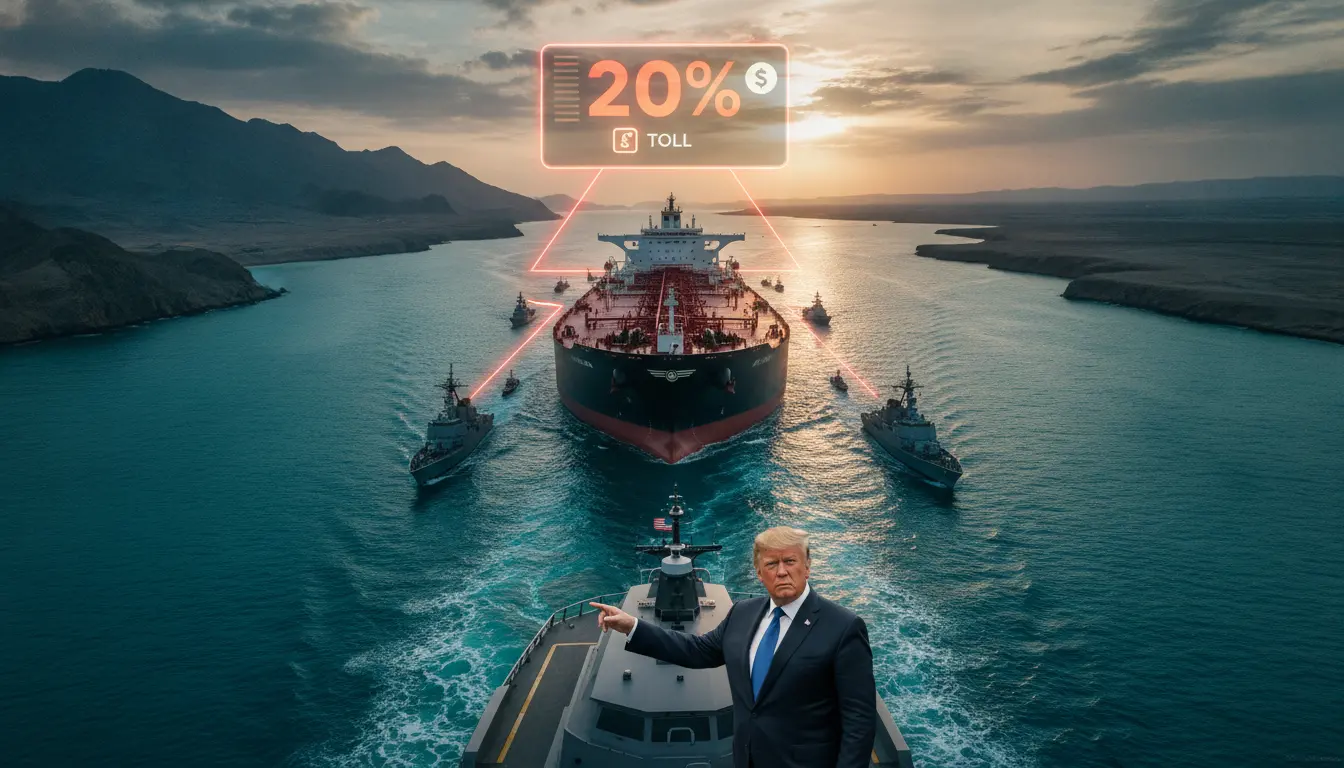
Trump Campaign Floats 20% Strait of Hormuz Toll, Signaling Tougher Iran Stance
Trump Proposes 'Hormuz Toll,' Threatening to Overhaul Decades of US Maritime Security Doctrine
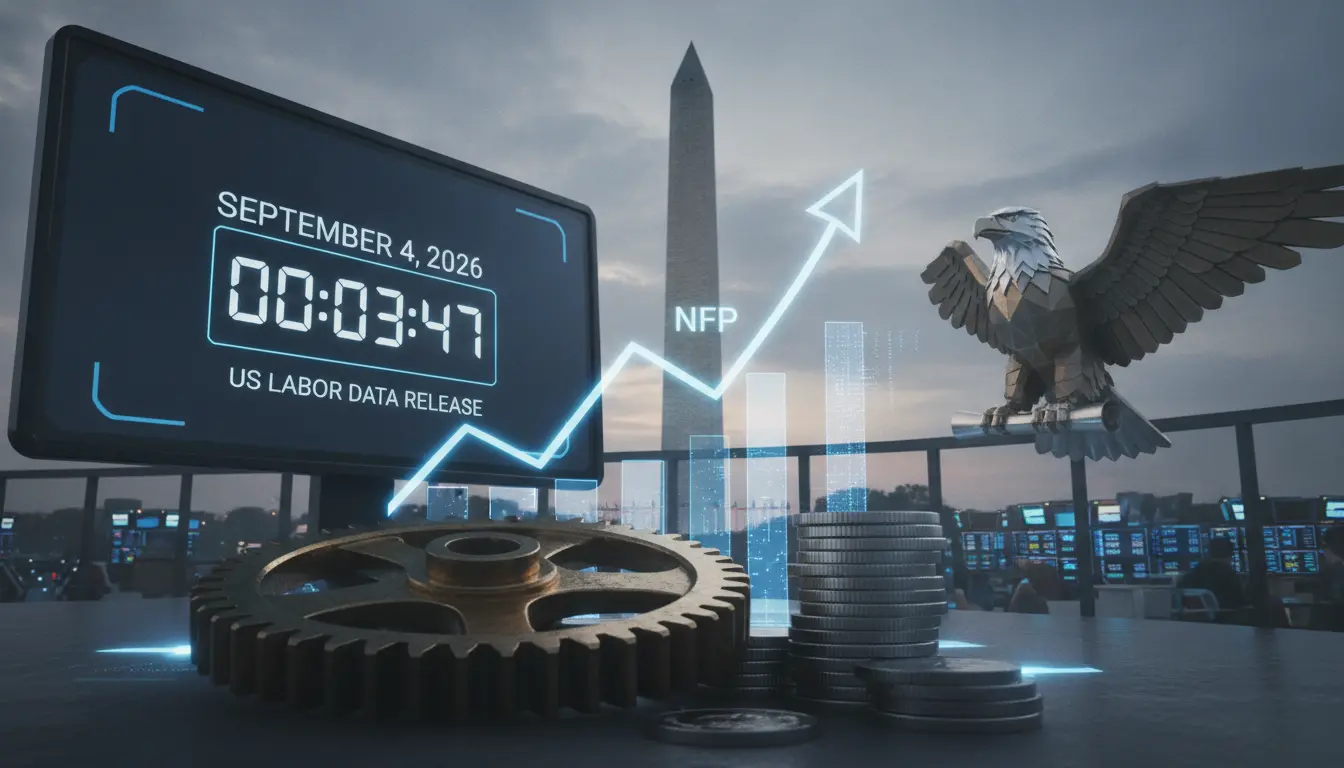
US Economy Braces for August 2026 Jobs Report, Critical for Fed Outlook

August US Jobs Report to Shape Federal Reserve's Monetary Policy Outlook
U.S. Retail Sales Data Expected to Offer Critical Insights into Consumer Economic Resilience
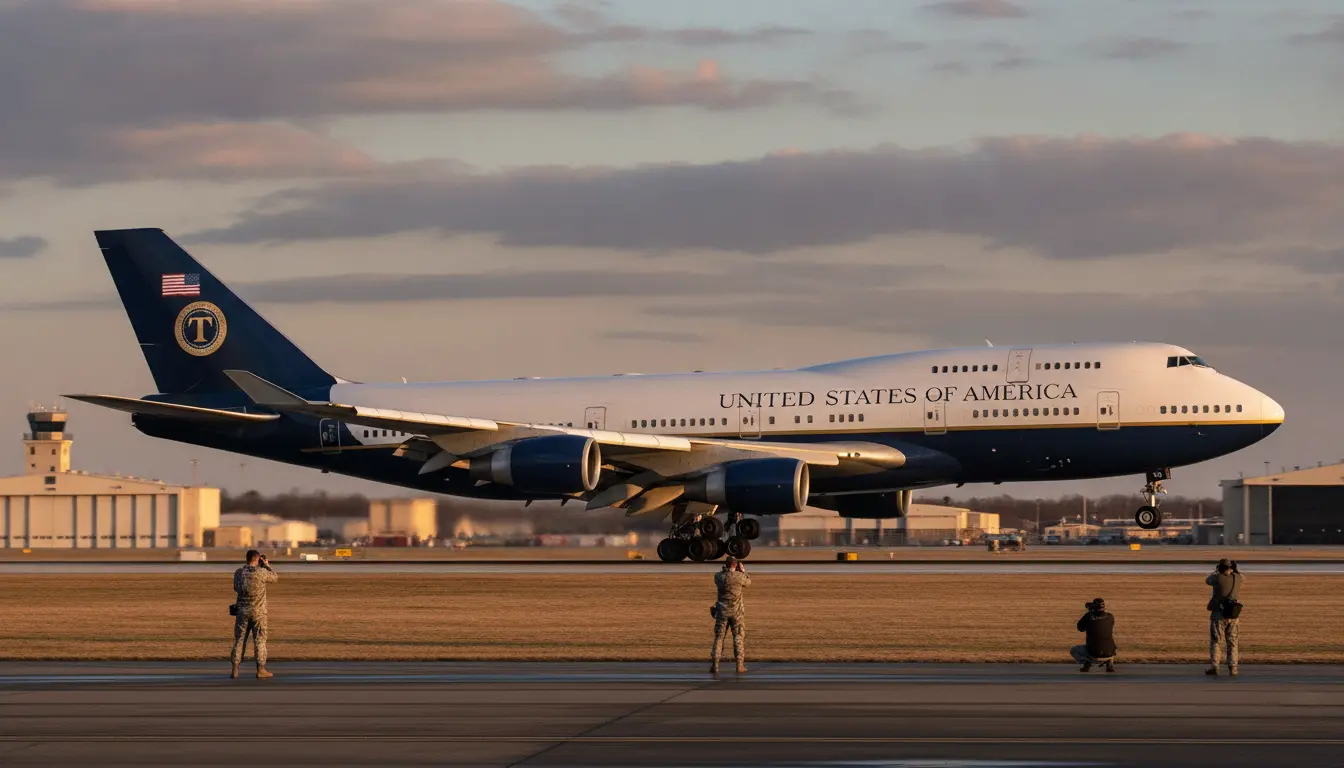
Air Force One, gifted to Trump from Qatar, arrives at Joint Base Andrews
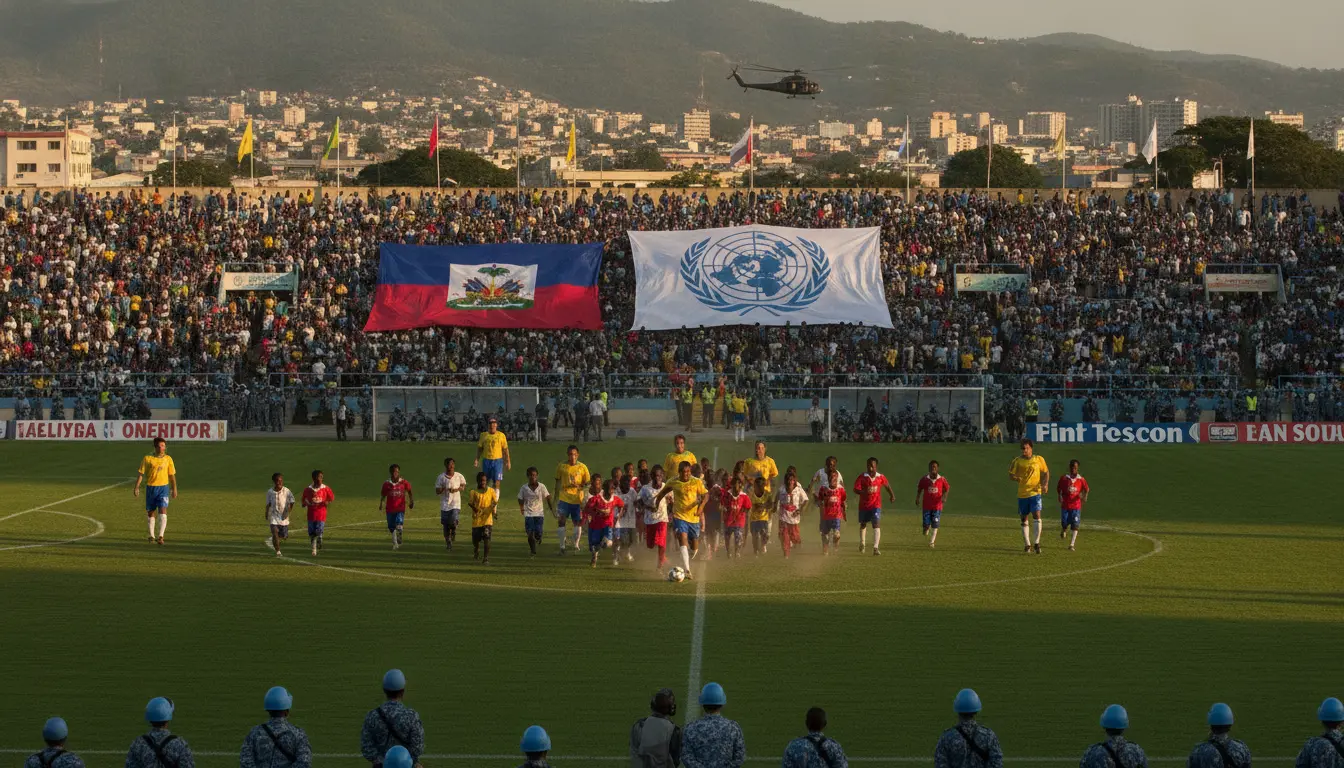
The Brazil-Haiti match that changed the world
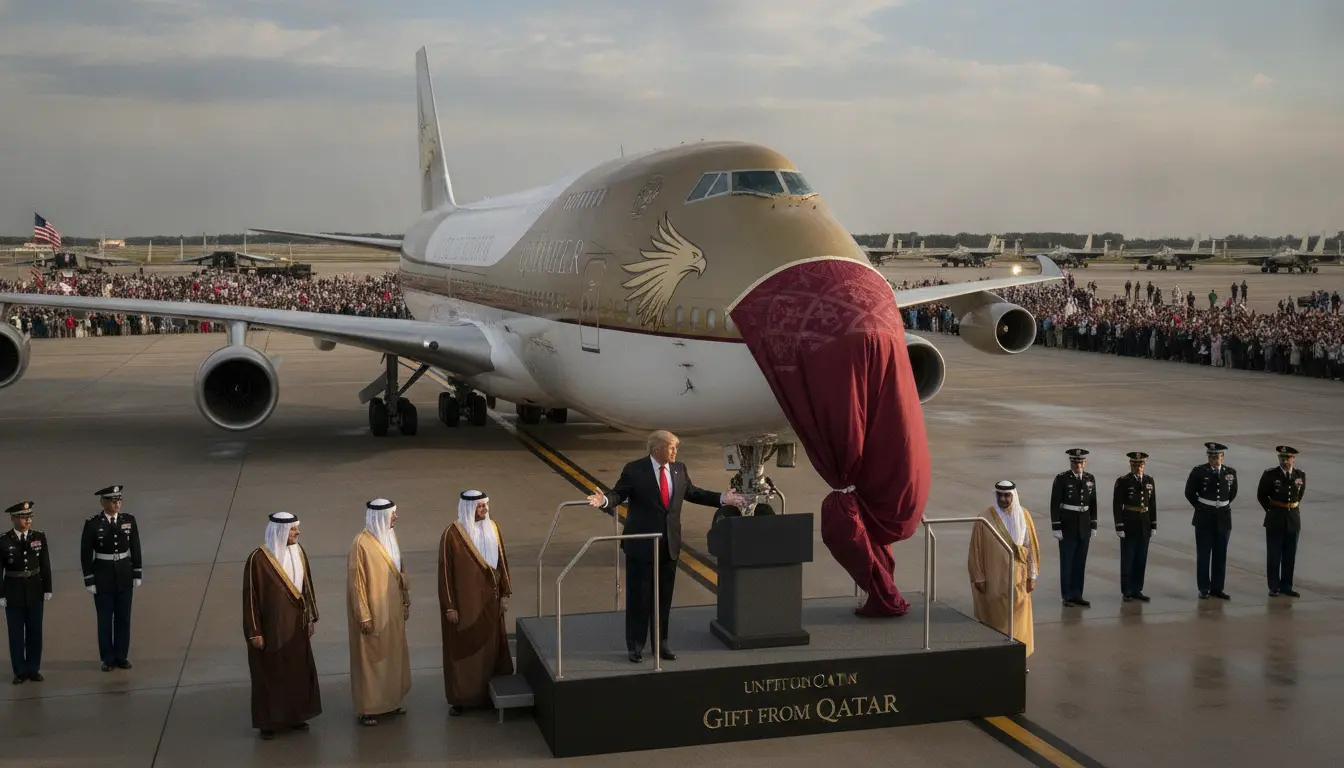
Trump unveils new plane for Air Force One, a gift from Qatar

Anticipation Builds for Billie Eilish's Fourth Album, New Music Expected by 2026

Olivia Rodrigo Readies for Monumental 'Unraveled Tour' Debut Next Year