

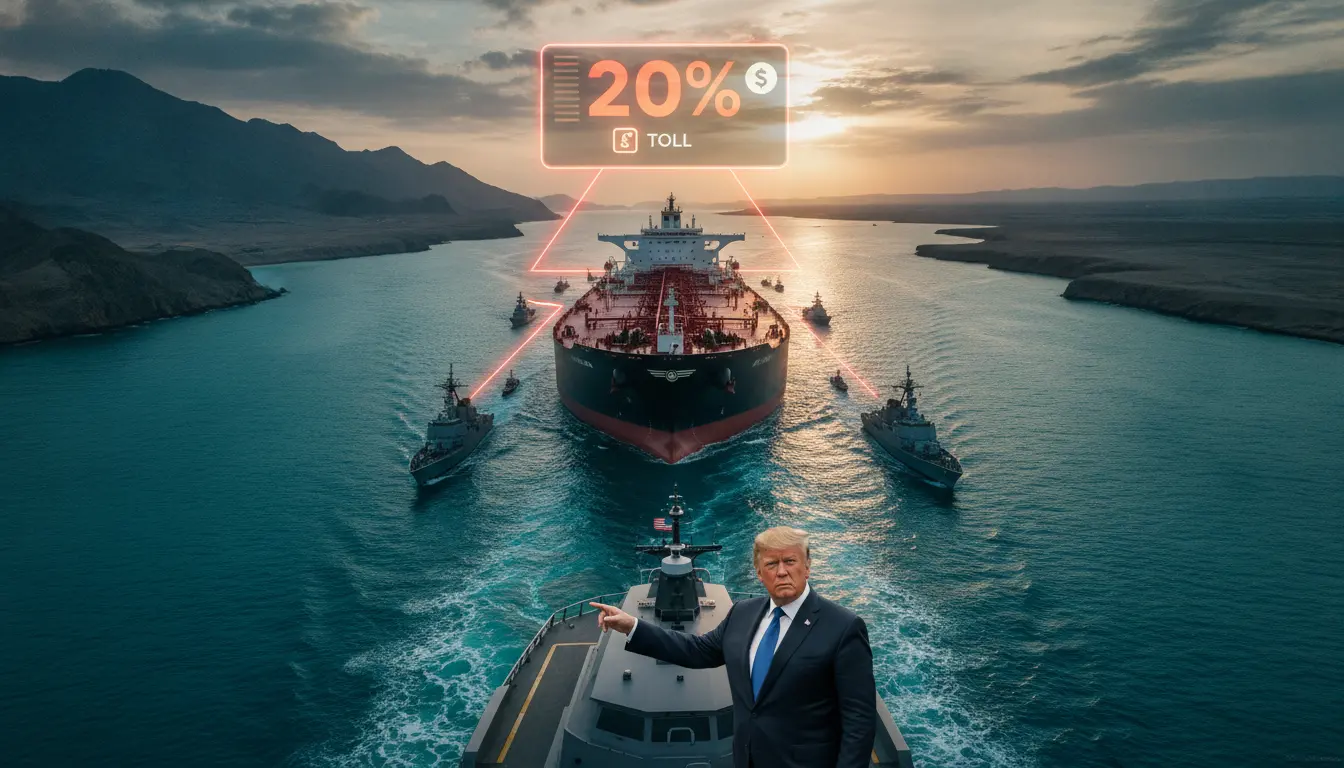
Trump Campaign Floats 20% Strait of Hormuz Toll, Signaling Tougher Iran Stance
The campaign of former President Donald Trump is reportedly considering a contentious policy proposal to impose a 20% toll on commercial cargo ships transiting the Strait of Hormuz, a move that, if implemented, would mark a significant escalation in geopolitical tensions and potentially reshape global trade dynamics. This initiative is framed as a means to "restart an Iran blockade," harking back to previous periods of heightened pressure on Tehran and signaling a dramatic shift in maritime policy for one of the world's most critical chokepoints. The implications of such a measure would ripple through international shipping, energy markets, and diplomatic relations, prompting widespread concern among allies and adversaries alike.
At the heart of the proposal lies the Strait of Hormuz, a narrow waterway connecting the Persian Gulf to the Arabian Sea and beyond. It is an indispensable artery for global energy supplies, with approximately one-fifth of the world's total petroleum liquids — including crude oil, condensate, and natural gas liquids — passing through its waters daily. Any disruption or imposition of tariffs in this area would immediately send shockwaves through international oil prices, impacting economies worldwide. The concept of a "blockade" against Iran, even if implemented through economic tolls rather than direct military interdiction, invokes a history of efforts to cripple Iran's economy and force changes in its nuclear program and regional behavior, often with mixed success and significant collateral effects.
The strategic rationale behind such a toll, according to proponents, is to exert maximum financial pressure on Iran and deter its alleged malign activities in the region, including its nuclear ambitions and support for proxy groups. However, the legal and practical challenges of enforcing a 20% toll on all commercial cargo ships, regardless of their destination, are immense. International maritime law generally upholds the principle of freedom of navigation through international straits, and any unilateral imposition of tolls or restrictions could be challenged as a violation of these principles. Major trading nations, including China, India, and European Union members, whose vessels frequently traverse the Strait, would likely object strongly, potentially leading to international condemnation and even retaliatory measures.
Economically, the immediate impact would be felt in shipping costs, which would inevitably be passed on to consumers. A 20% increase in transit fees through such a vital chokepoint would raise the cost of oil and other goods globally, potentially fueling inflation and straining already fragile supply chains. For Gulf states like Saudi Arabia, the United Arab Emirates, and Qatar, which rely heavily on the Strait for their oil and gas exports, the policy could complicate their trade routes and expose them to increased risk, even if they align with the U.S. politically. The prospect of Iran responding to such a toll, perhaps by attempting to disrupt shipping or escalate regional tensions, also looms large, raising fears of a broader military confrontation.
The historical context further complicates the scenario. Previous U.S. administrations have employed various strategies to pressure Iran, including stringent sanctions, naval presence, and diplomatic isolation. While these measures have sometimes achieved limited objectives, they have also often contributed to regional instability and humanitarian concerns. The concept of a direct maritime toll on all commercial traffic, effectively leveraging the Strait of Hormuz as a revenue-generating tool for geopolitical aims, represents a departure from conventional sanctions regimes and could set a dangerous precedent for international waterways, inviting other nations to consider similar actions in their spheres of influence.
Should such a policy be pursued, a future Trump administration would face significant hurdles in garnering international support, navigating legal challenges, and mitigating the economic fallout. The intricate web of alliances and rivalries in the Middle East, coupled with the global reliance on the Strait of Hormuz, means that any unilateral action of this magnitude carries substantial risks. The ultimate success or failure of such a proposal would depend not only on its implementation but also on the unpredictable reactions of Iran, the coordinated responses of global powers, and the resilience of the international trading system in the face of unprecedented disruption.
Observers are now closely watching how this proposal evolves within the campaign, as its potential to reshape global trade, energy security, and international relations is profound. The debate over its feasibility, legality, and potential consequences will undoubtedly become a central theme in discussions about future U.S. foreign policy toward the Middle East and beyond.
Stay Informed. Act Smarter.
Get weekly highlights, major headlines, and expert insights — then put your knowledge to work in our live prediction markets.
Related News
Trump Proposes 'Hormuz Toll,' Threatening to Overhaul Decades of US Maritime Security Doctrine

Washington Alleges Global Complicity in China Tariff Evasion, Signaling Intensified Trade Tensions
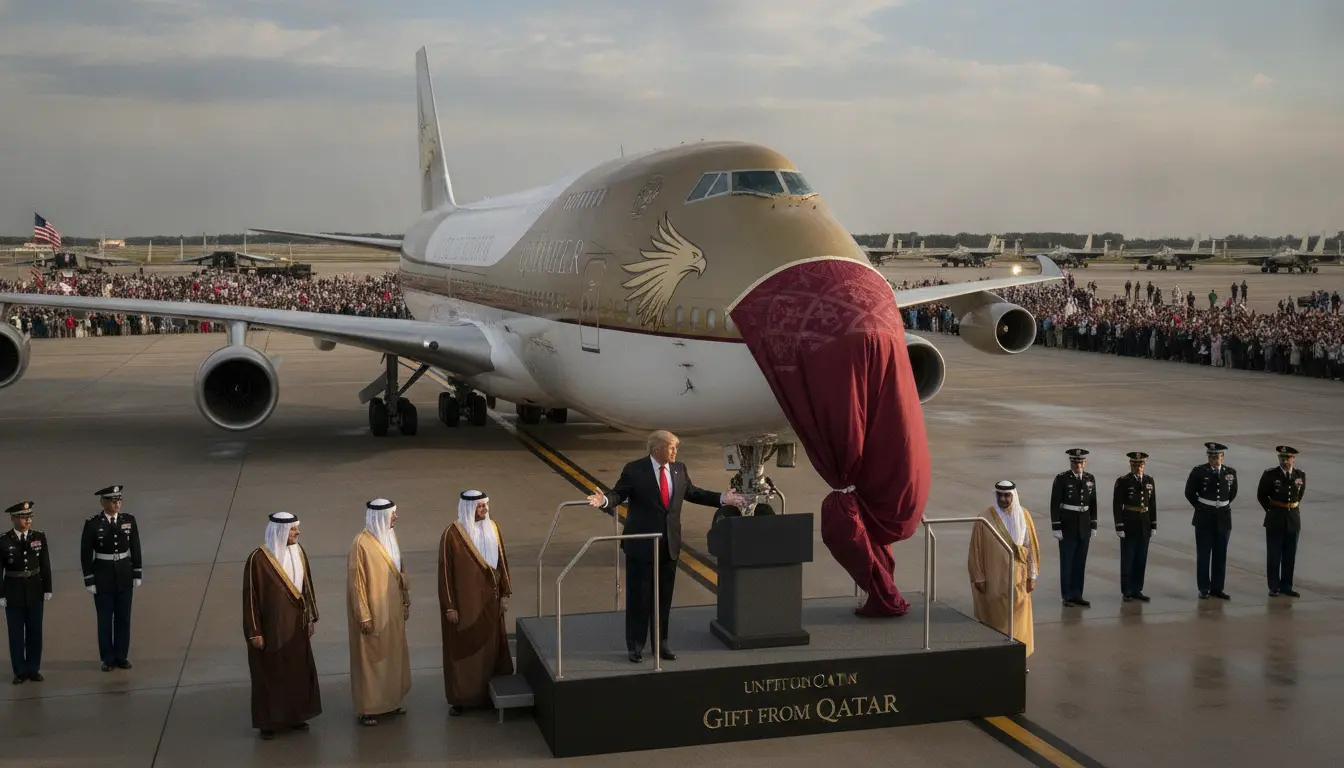
Trump unveils new plane for Air Force One, a gift from Qatar
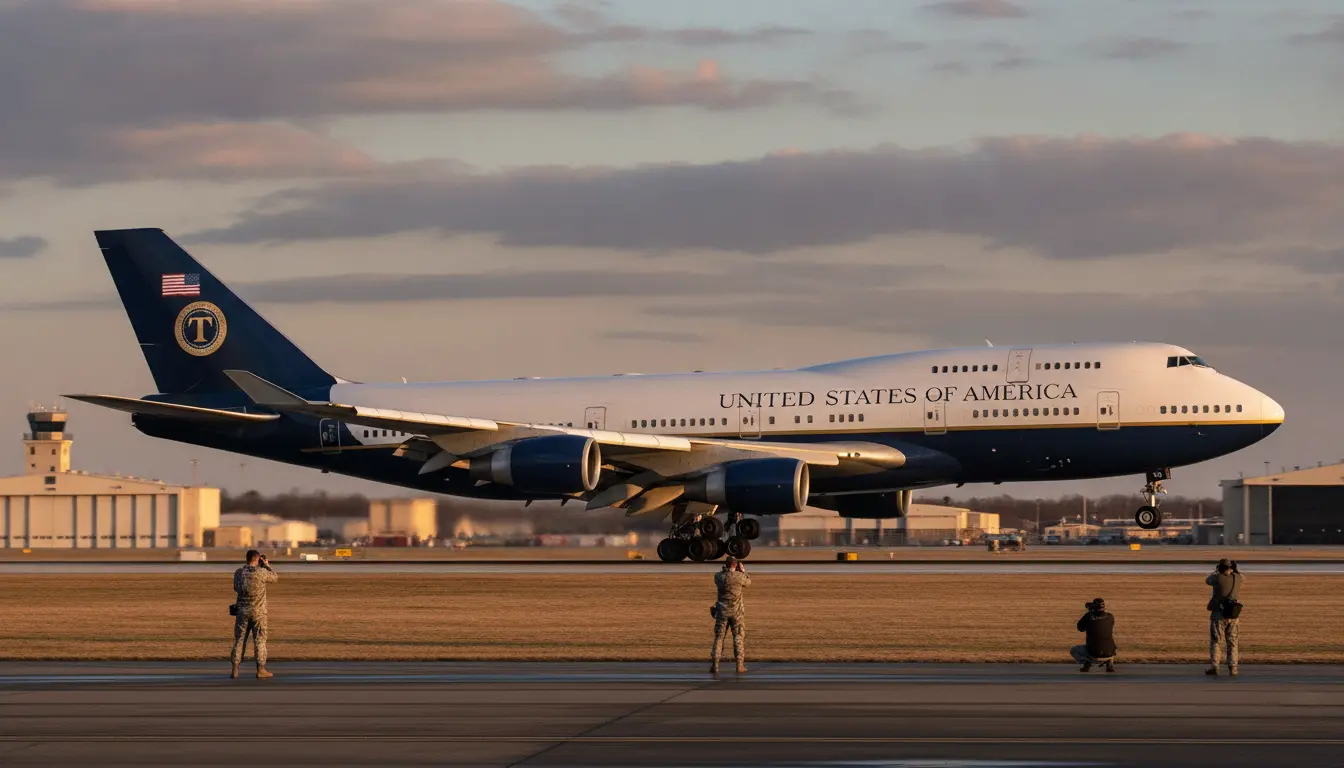
Air Force One, gifted to Trump from Qatar, arrives at Joint Base Andrews

US Economy Braces for August 2026 Jobs Report, Critical for Fed Outlook

August US Jobs Report to Shape Federal Reserve's Monetary Policy Outlook

U.S. Retail Sales Data Expected to Offer Critical Insights into Consumer Economic Resilience

The Brazil-Haiti match that changed the world
End of an Era: Celebrated Swift Telescope to Fall to Earth as NASA Abandons Servicing Plan

Olivia Rodrigo Readies for Monumental 'Unraveled Tour' Debut Next Year