

- News
- Politics
- Trump Proposes 'Hormuz Toll,' Threatening to Overhaul Decades of US Maritime Security Doctrine
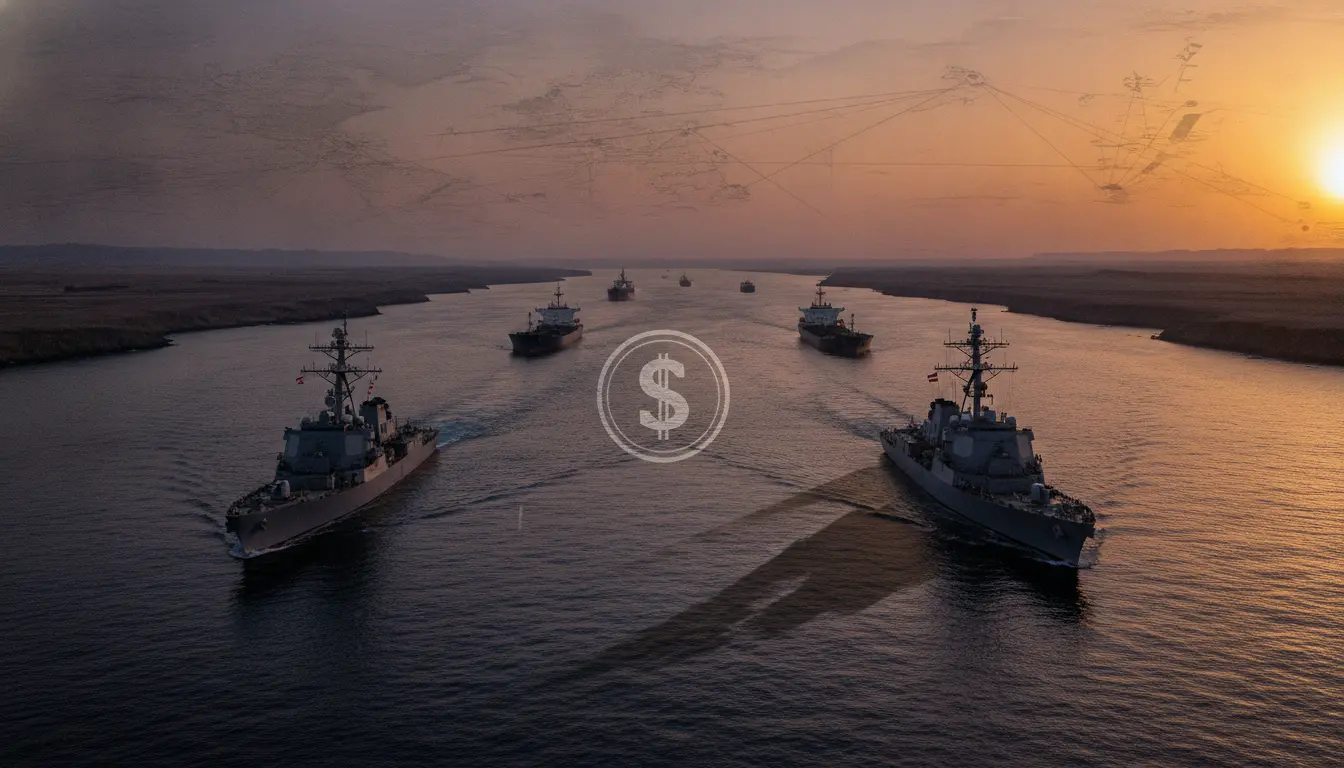
Trump Proposes 'Hormuz Toll,' Threatening to Overhaul Decades of US Maritime Security Doctrine
In a move that signals a potential tectonic shift in American foreign policy, former President Donald Trump has floated the idea of charging foreign vessels a toll for safe passage through the Strait of Hormuz. The proposal, linked to his ongoing criticism of the Iran nuclear deal, would upend nearly a half-century of U.S. military doctrine centered on guaranteeing freedom of navigation in the world’s most critical maritime chokepoints. This transactional approach to global security, if ever implemented, would fundamentally reshape America’s relationship with its allies and carry profound implications for the global energy market.
The Strait of Hormuz, a narrow waterway separating Iran and Oman, is arguably the most important oil transit chokepoint on the planet. Roughly one-fifth of the world's total petroleum consumption passes through it daily, making its stability essential for the global economy. Since the “Tanker War” of the 1980s, when Iran and Iraq targeted each other’s oil shipping, the U.S. Navy has taken on the primary role of securing these sea lanes. This mission, conducted under the banner of freedom of navigation, has been considered a core function of American power, ensuring the free flow of commerce not just for the United States but for the entire world, including major economic rivals like China.
Trump's proposal to monetize this protection is a direct extension of his "America First" worldview, which recasts long-standing security alliances as transactional arrangements. Throughout his presidency, he consistently argued that allies, particularly wealthy nations in Europe and Asia, were free-riding on American military expenditures. By suggesting a toll, he is framing the U.S. Navy's presence in the Persian Gulf not as a public good that underpins global stability, but as a concierge service for which other nations—especially those heavily reliant on Middle Eastern oil, such as Japan, South Korea, and India—should pay directly. The threat is also being wielded as a potential bargaining chip in any future negotiations with Iran, suggesting that if a satisfactory deal isn't reached, the security paradigm in its backyard could be radically altered.
The economic consequences of such a policy would be immediate and far-reaching. Any toll imposed by the U.S. would inevitably be passed down the supply chain, first to shipping companies, then to refiners, and ultimately to consumers at the pump. This would introduce a new and volatile variable into global oil pricing, likely triggering a surge in energy costs and exacerbating inflationary pressures worldwide. Furthermore, it could create a two-tiered system of maritime security, where nations that pay the fee receive protection while others are left vulnerable to harassment or attack, particularly from Iranian forces who have long used the strait as a point of leverage.
Geopolitically, the fallout could be even more significant. For decades, America's security guarantee in the Persian Gulf has been a bedrock of its alliances in the region and beyond. Abruptly shifting to a pay-for-play model would be viewed by many as an abdication of American leadership. Allies might feel compelled to develop their own naval capabilities or, more likely, seek security arrangements with other powers. This could create a power vacuum that rivals like China or Russia would be eager to fill, diminishing U.S. influence and potentially leading to a more multipolar and less stable Middle East. The very act of enforcing such a toll could also be fraught with peril, as refusing passage to a non-paying vessel could be interpreted as a blockade, an act of war under international law.
While the proposal remains a hypothetical part of a potential future administration's policy platform, its public airing has already sent ripples through foreign policy and defense circles. Critics argue it fundamentally misunderstands the strategic benefits the U.S. derives from its role as the world's maritime guarantor—a role that grants it unparalleled influence over the global economy and international relations. Supporters, however, see it as a long-overdue correction, forcing a necessary conversation about the costs and responsibilities of America’s global commitments. Regardless of its feasibility, the 'Hormuz toll' idea has placed a stark question on the table: Is the United States a guardian of the global order or a contractor for hire?
Stay Informed. Act Smarter.
Get weekly highlights, major headlines, and expert insights — then put your knowledge to work in our live prediction markets.
Related News
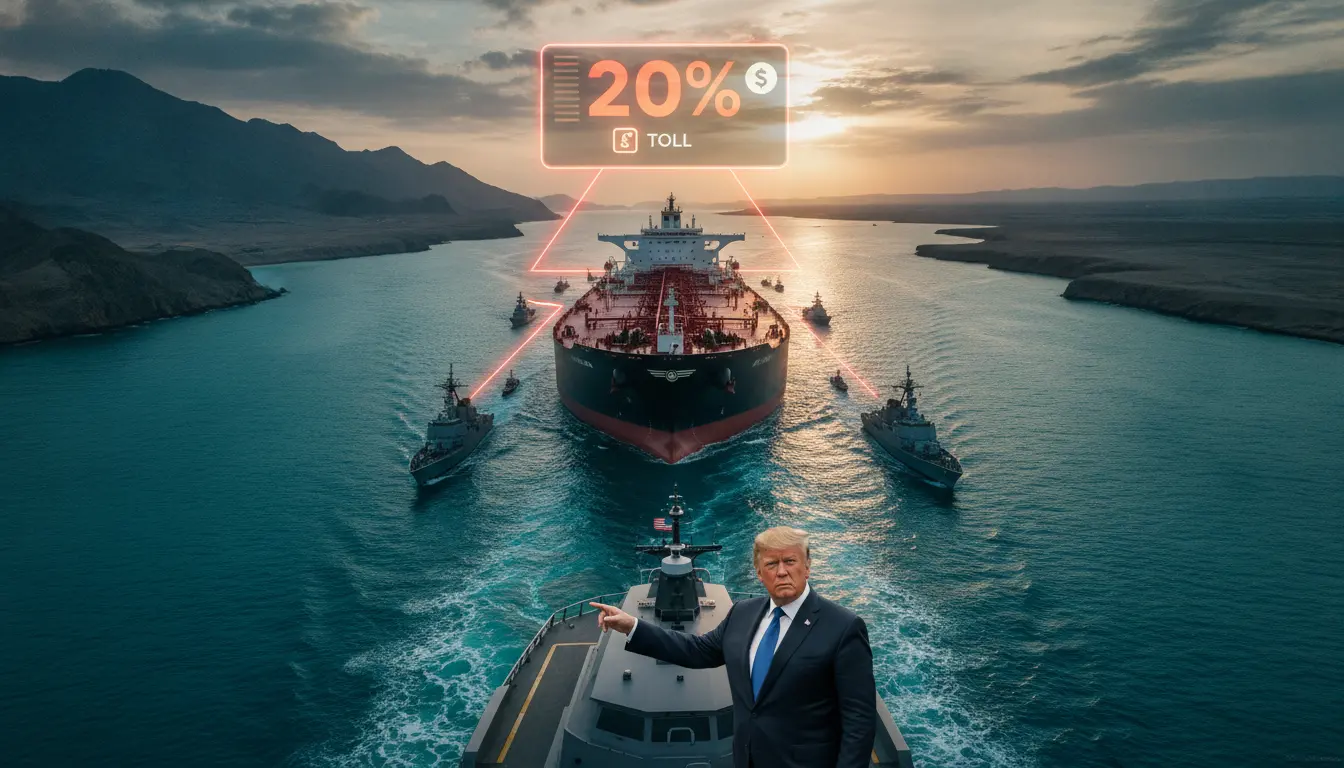
Trump Campaign Floats 20% Strait of Hormuz Toll, Signaling Tougher Iran Stance
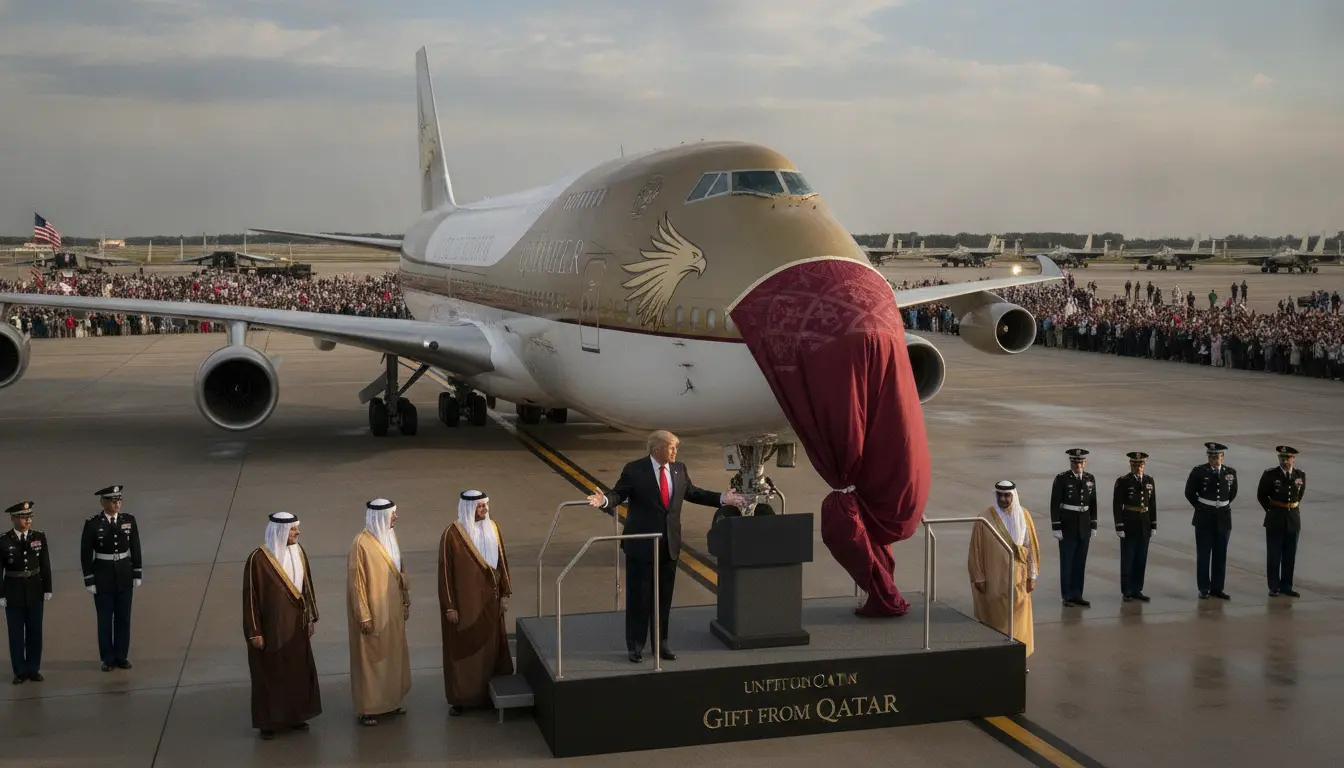
Trump unveils new plane for Air Force One, a gift from Qatar
Washington Alleges Global Complicity in China Tariff Evasion, Signaling Intensified Trade Tensions
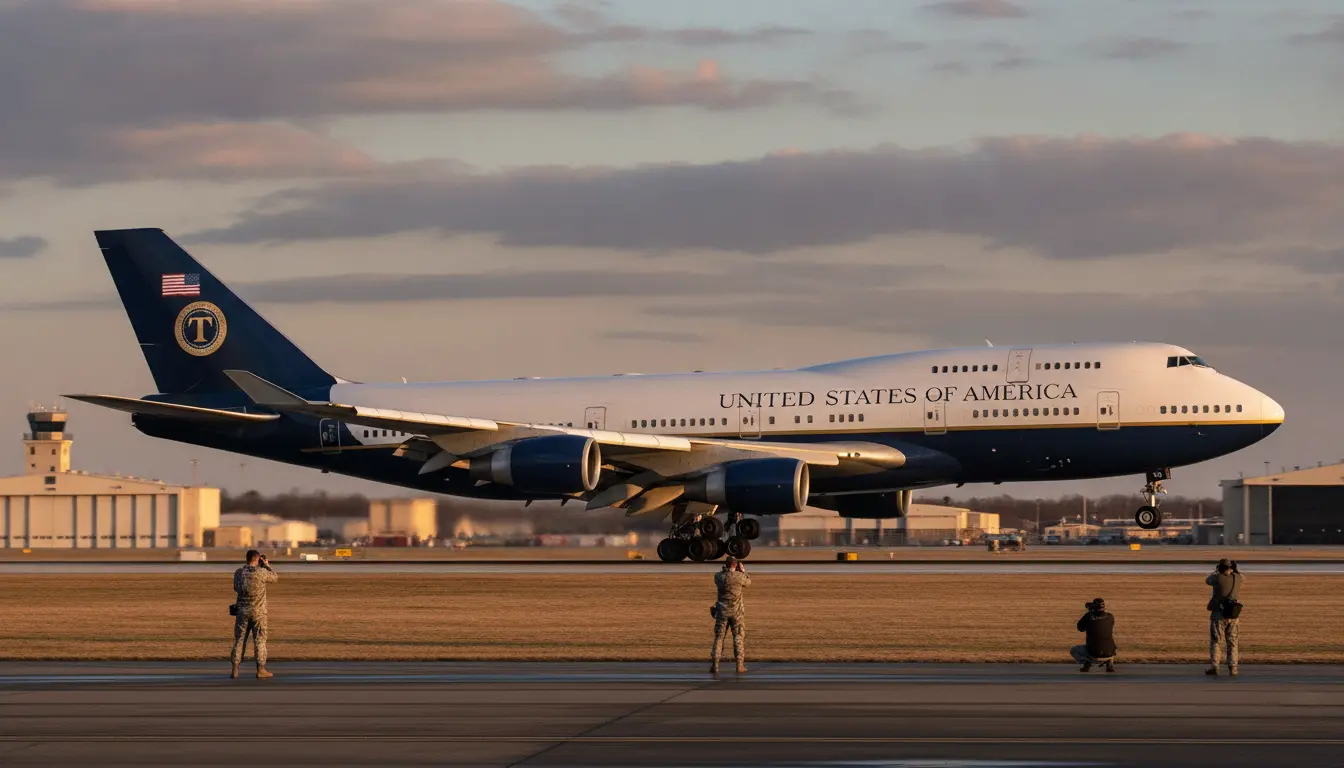
Air Force One, gifted to Trump from Qatar, arrives at Joint Base Andrews
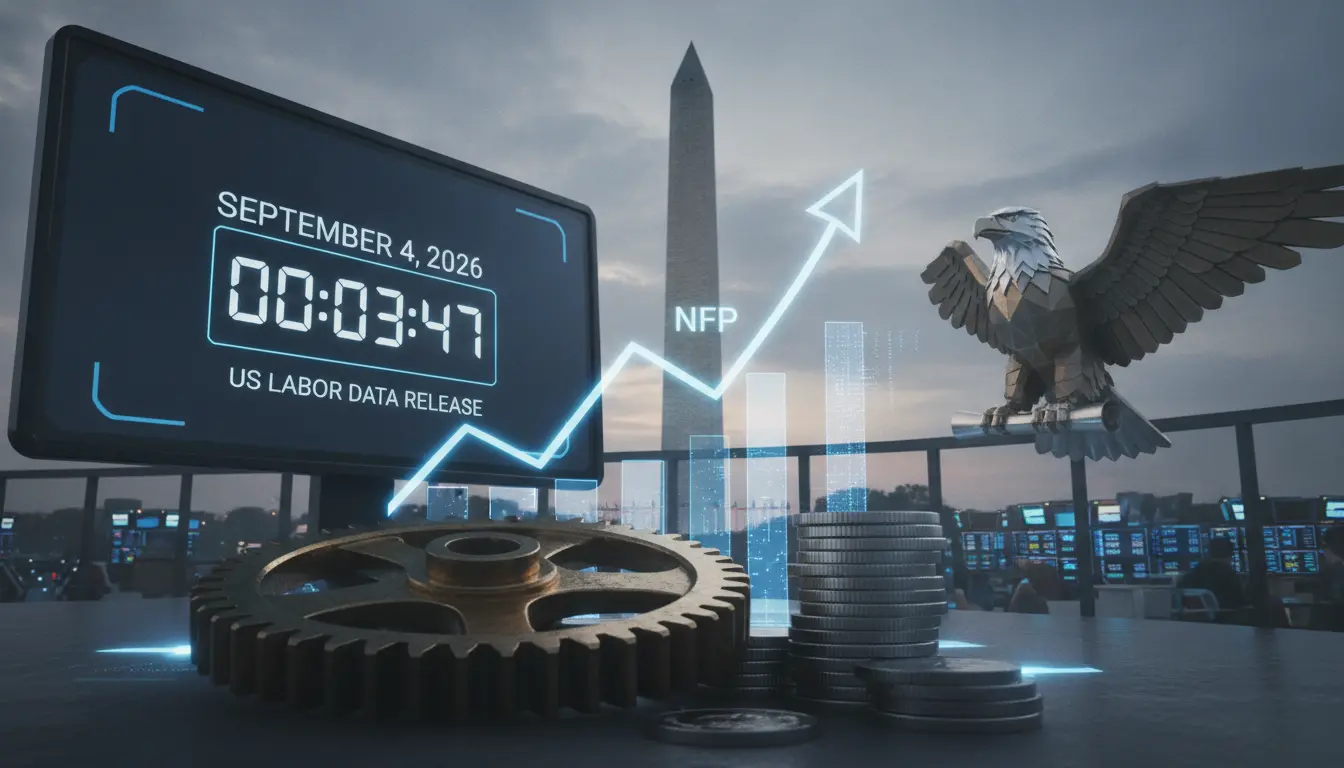
US Economy Braces for August 2026 Jobs Report, Critical for Fed Outlook

August US Jobs Report to Shape Federal Reserve's Monetary Policy Outlook
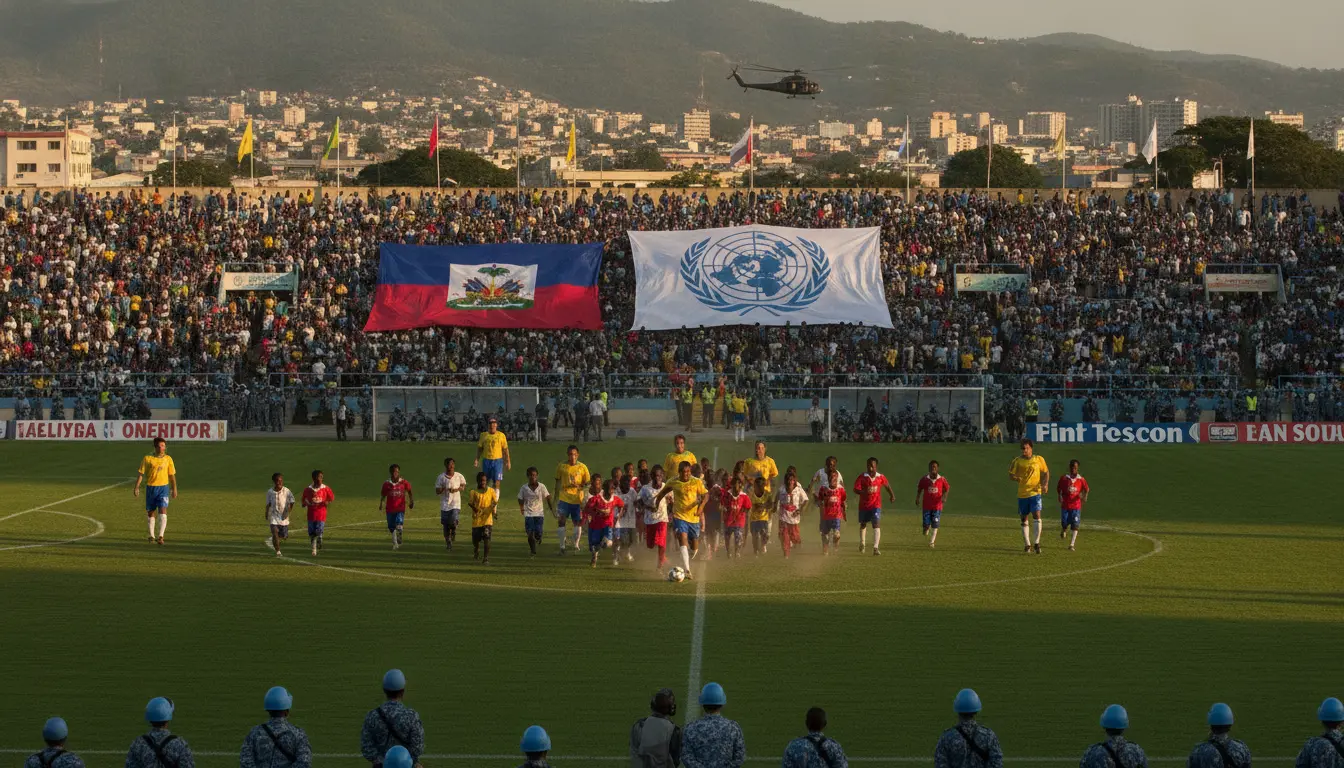
The Brazil-Haiti match that changed the world

U.S. Retail Sales Data Expected to Offer Critical Insights into Consumer Economic Resilience
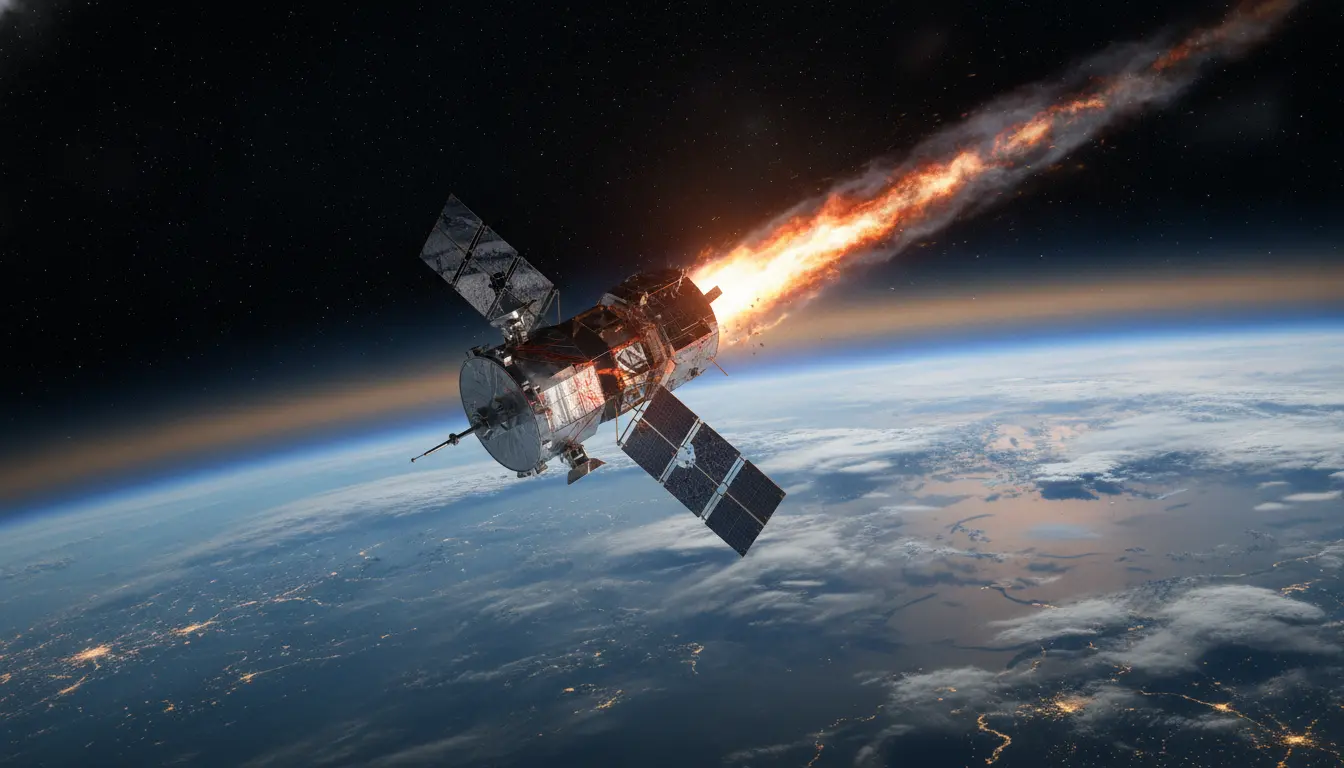
End of an Era: Celebrated Swift Telescope to Fall to Earth as NASA Abandons Servicing Plan

Olivia Rodrigo Readies for Monumental 'Unraveled Tour' Debut Next Year