

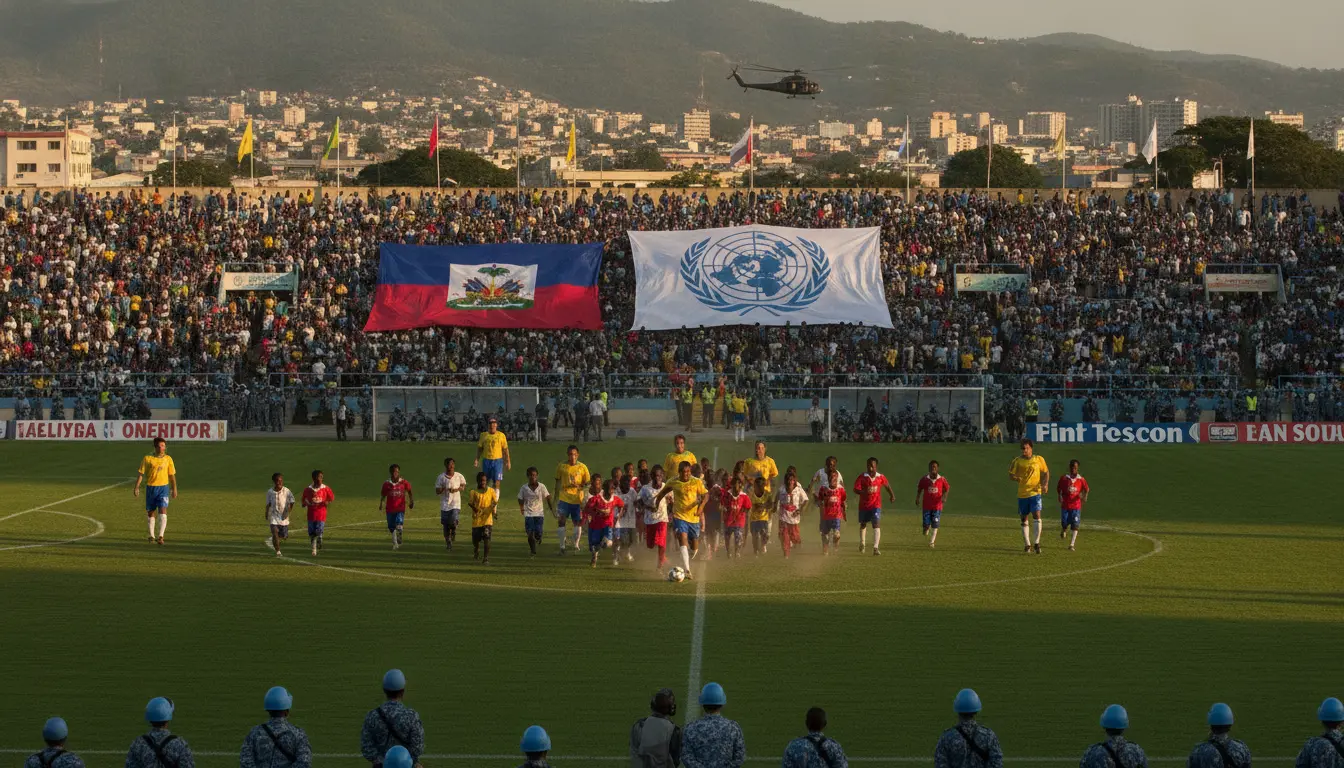
The Brazil-Haiti match that changed the world
In August 2004, a seemingly ordinary friendly football match between Brazil and Haiti, hosted by the United Nations, became a pivotal moment in shaping Brazil’s foreign policy under President Luiz Inácio Lula da Silva. The game, played in Port-au-Prince as part of a UN peacekeeping mission, was more than a sporting event; it was a diplomatic gesture that signaled Brazil’s emergence as a global player willing to engage with the world’s most fragile states. Two decades later, the echoes of that match still reverberate in Brazil’s political landscape, influencing its approach to international relations and its role in multilateral organizations.
The match took place at a time when Haiti was in turmoil, following the ouster of President Jean-Bertrand Aristide earlier that year. The UN Stabilization Mission in Haiti (MINUSTAH) was established to restore order, and Brazil, under Lula, took a leading role, contributing troops and assuming command of the military component. The friendly match was conceived as a symbol of solidarity and hope, bringing together Brazilian stars like Ronaldo and Robinho with Haitian players in front of a crowd of thousands. For Lula, it was an opportunity to project Brazil as a benevolent power, distinct from traditional Western interventions, and to cement his vision of South-South cooperation.
Lula’s foreign policy, often described as “active and proud,” sought to elevate Brazil’s standing on the world stage by forging alliances with developing nations and challenging the dominance of the United States and Europe. The Haiti mission was a cornerstone of this strategy, demonstrating Brazil’s willingness to take on responsibilities in conflict zones without the baggage of colonial history. The match itself became a powerful image: Brazilian players in yellow jerseys mingling with Haitian children, the UN flag flying overhead, and a message of unity broadcast globally. It was a soft-power masterstroke that helped Lula position Brazil as a mediator and leader in the Global South.
However, the legacy of that match and the broader Haiti mission is complex. While it burnished Brazil’s international reputation, it also entangled the country in a protracted and often controversial peacekeeping operation. MINUSTAH faced criticism for its role in suppressing protests and for the introduction of cholera by UN troops, which killed thousands of Haitians. For Brazil, the mission became a double-edged sword: it showcased its capabilities but also exposed it to accusations of complicity in human rights abuses. Domestically, the mission fueled debates about Brazil’s foreign policy priorities, with some arguing that resources should be spent at home rather than abroad.
Today, as Brazil grapples with political polarization and economic challenges, the echoes of the 2004 match are still felt. Lula’s return to the presidency in 2023 has revived discussions about Brazil’s role in the world, particularly in relation to Haiti and other crisis zones. The current government has sought to reengage with multilateral institutions, but the shadow of past interventions looms large. Critics point to the Haiti mission as an example of overreach, while supporters argue that it was a necessary step in building Brazil’s credibility as a global actor. The match, once a symbol of hope, now serves as a reminder of the complexities of international engagement.
Looking ahead, the Brazil-Haiti match offers lessons for contemporary foreign policy. It underscores the power of sports as a diplomatic tool, but also the risks of entanglement in volatile regions. For Brazil, the challenge is to balance its ambitions with a realistic assessment of its capabilities and the potential consequences of its actions. As the country prepares to host the G20 summit in 2024, the spirit of that 2004 match—of solidarity, ambition, and global responsibility—remains a touchstone for policymakers. Whether it will lead to a more coherent and effective foreign policy, or simply become a footnote in history, depends on how Brazil navigates the tensions between its past and its future.
Stay Informed. Act Smarter.
Get weekly highlights, major headlines, and expert insights — then put your knowledge to work in our live prediction markets.
Related News
Washington Alleges Global Complicity in China Tariff Evasion, Signaling Intensified Trade Tensions
Trump Proposes 'Hormuz Toll,' Threatening to Overhaul Decades of US Maritime Security Doctrine
As Starmer eyes the exit, here’s a vital lesson for Andy Burnham: first impressions are everything
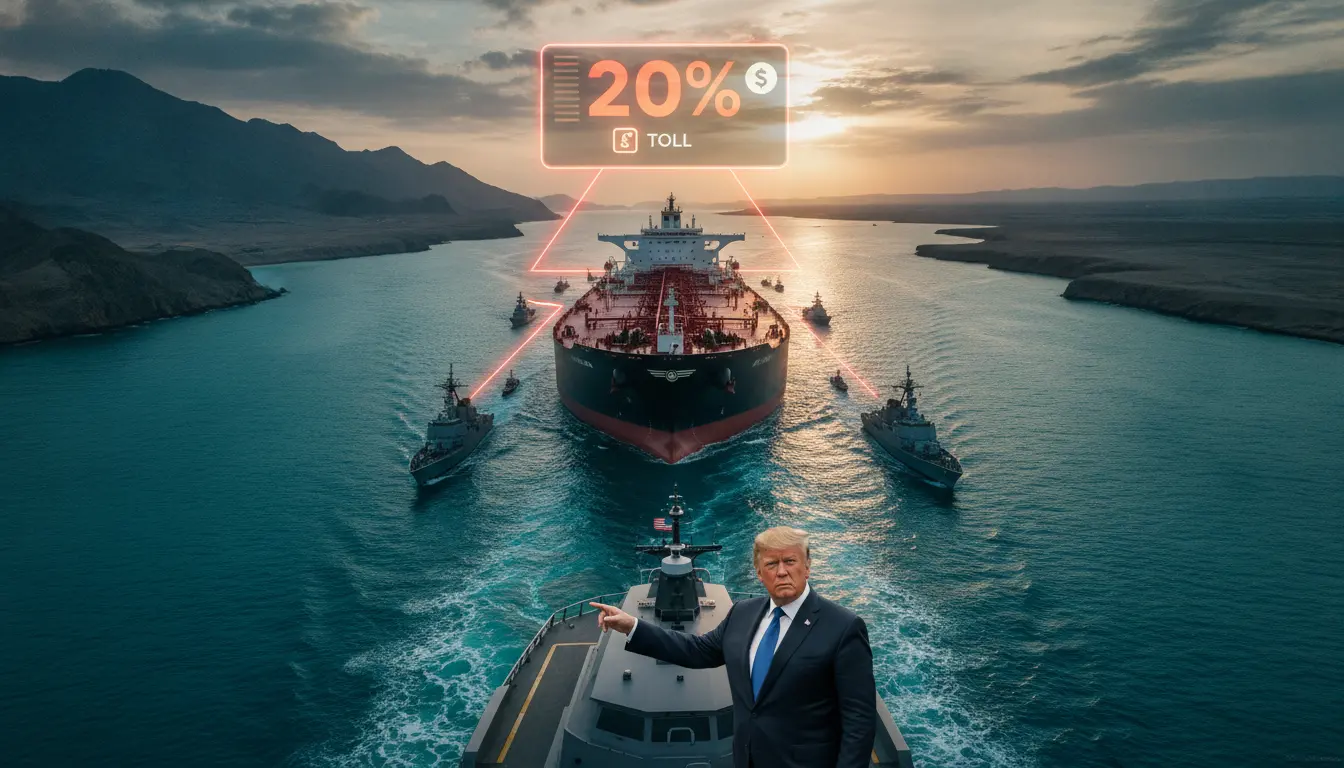
Trump Campaign Floats 20% Strait of Hormuz Toll, Signaling Tougher Iran Stance
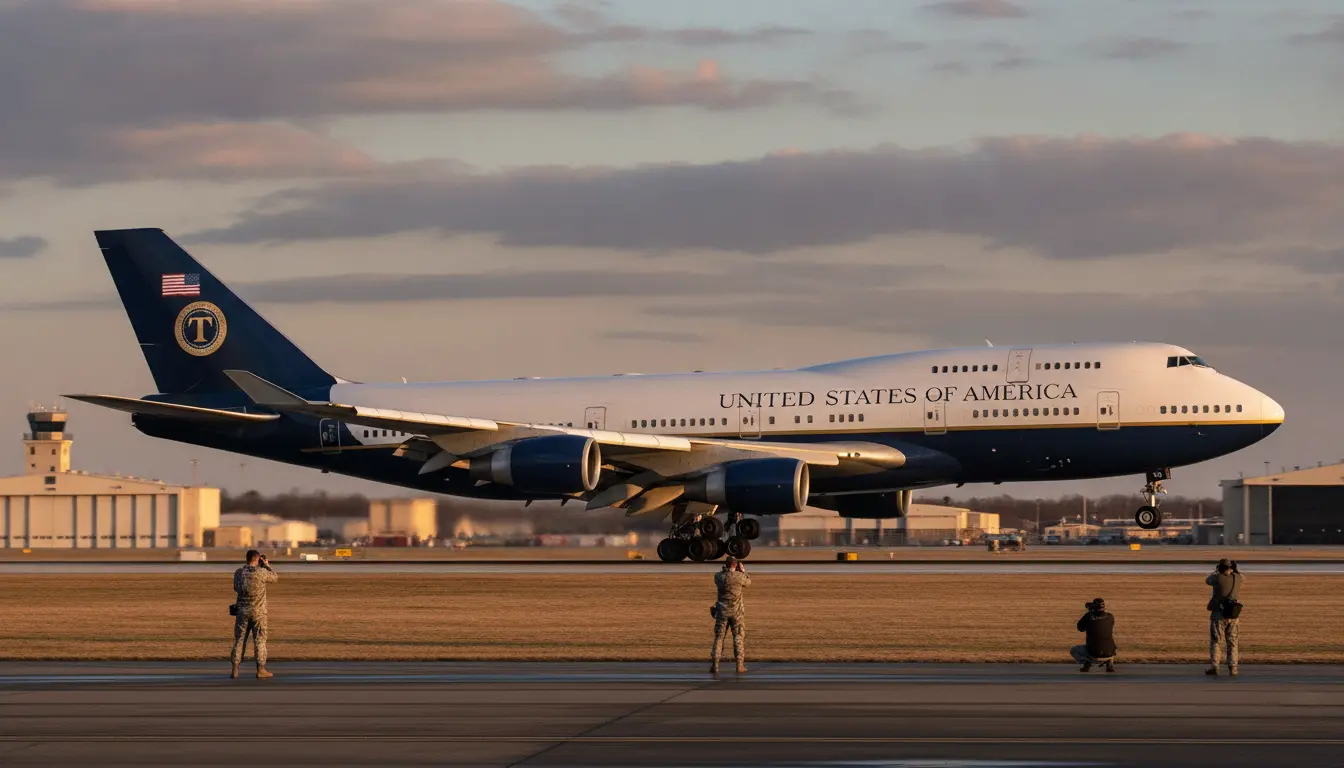
Air Force One, gifted to Trump from Qatar, arrives at Joint Base Andrews
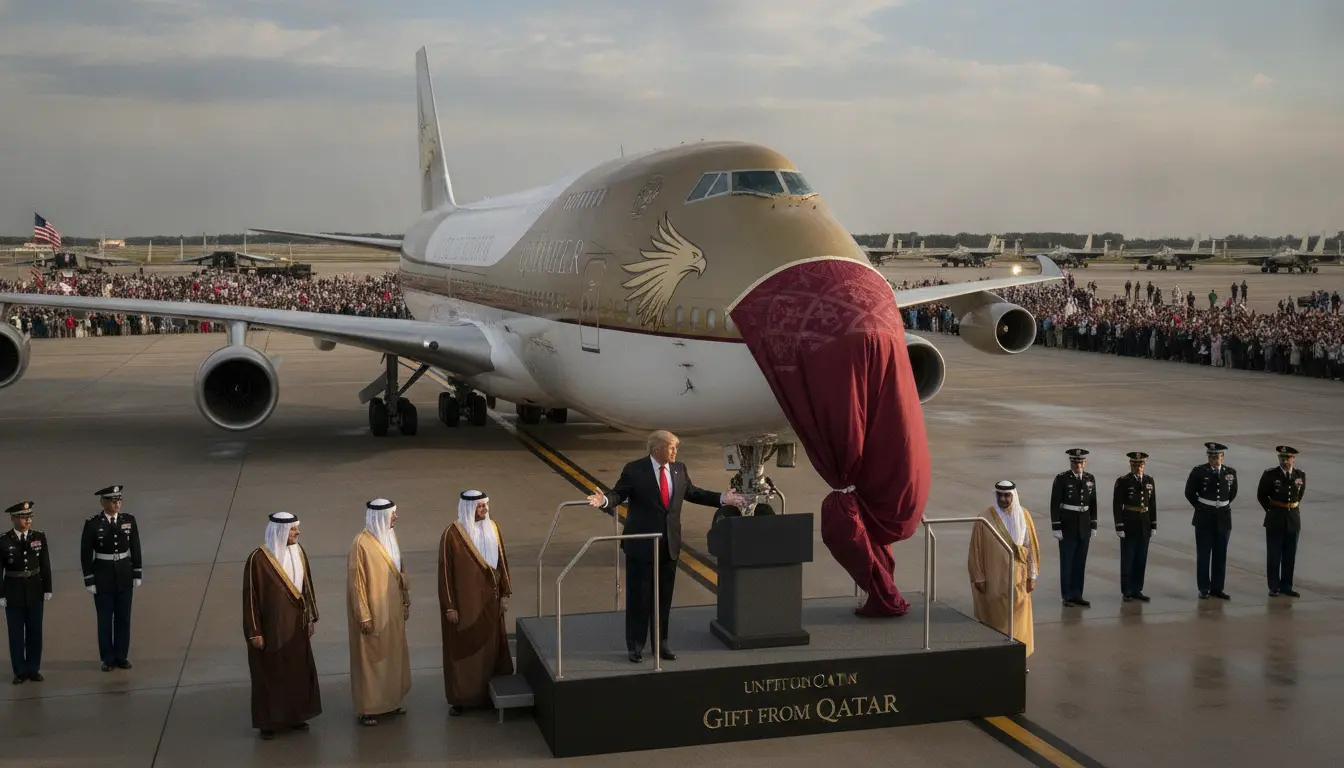
Trump unveils new plane for Air Force One, a gift from Qatar
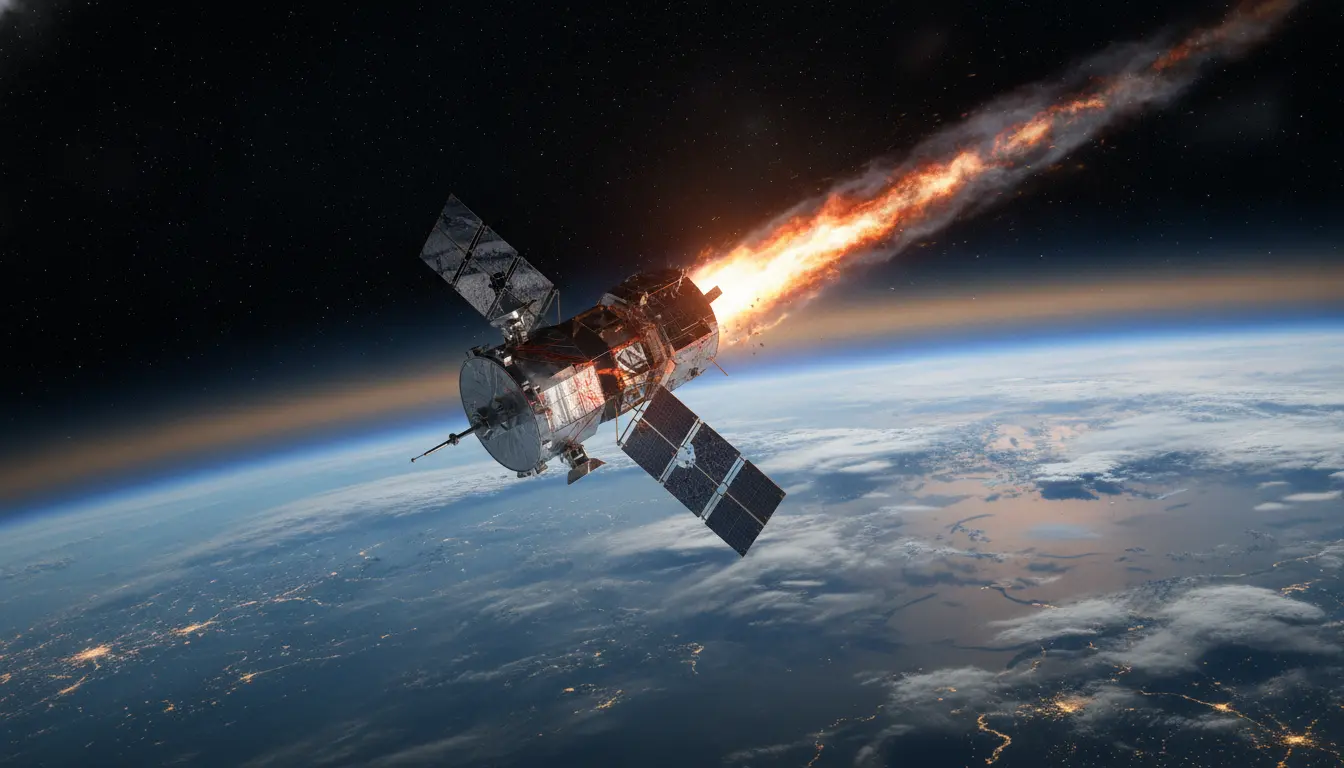
End of an Era: Celebrated Swift Telescope to Fall to Earth as NASA Abandons Servicing Plan

US Economy Braces for August 2026 Jobs Report, Critical for Fed Outlook

August US Jobs Report to Shape Federal Reserve's Monetary Policy Outlook
Miami Readies for Bruno Mars' 'The Romantic Tour,' Fueling Talk of Surprise Guest Artists