PoliticsdiplomacyBilateral Relations
The Guardian view on Britain and Europe: time to move together, faster and further | Editorial
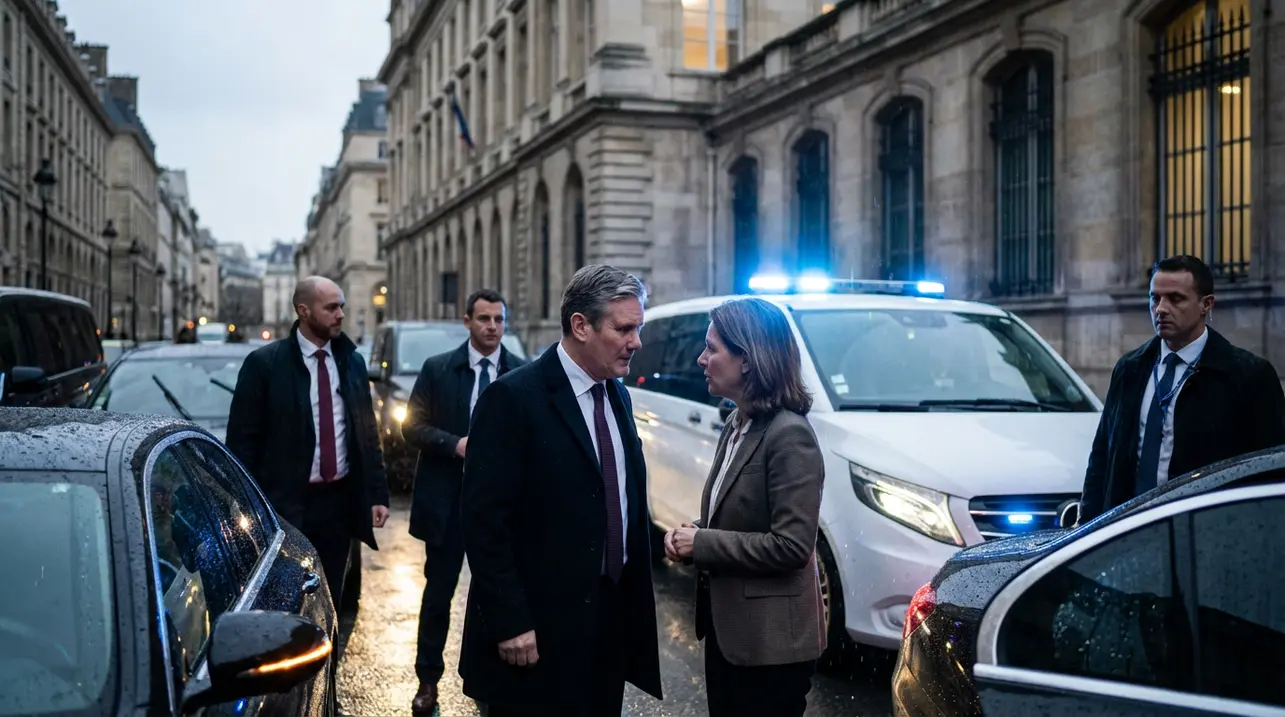
The chaos unleashed by Donald Trump’s return to the White House has, with a brutal and predictable swiftness, reframed the strategic imperatives facing Europe and, by stark necessity, the United Kingdom. Sir Keir Starmer’s domestic agenda, carefully plotted for a 2026 focused on British bread-and-butter issues, has been unceremoniously knocked off course by a series of transatlantic shocks that demand a prime minister’s full attention.The intervention in Venezuela, the delicate Paris summit of Ukraine’s allies—the so-called ‘coalition of the willing’—and the profoundly destabilising spectacle of American special forces boarding a Russian-flagged tanker in European waters: these are not mere distractions. They are the opening salvos in a new era of American unilateralism that renders the post-Brexit divisions of the past decade not just anachronistic, but actively dangerous.This moment, therefore, is not merely a time to move together; it is a clarion call for Britain and Europe to move faster and further, forging a solidarity that is explicit, institutional, and capable of withstanding the gale-force winds from Washington. The historical parallel is clear: when a great power retreats into a posture of transactional nationalism, the vacuum is filled either by collective security or by chaos.The Trump administration’s stated ambition to ‘wrest control of Greenland’ from Denmark, a NATO ally, is not a bizarre outlier; it is a deliberate stress test of the Atlantic alliance’s cohesion and a stark signal that traditional bonds of trust are considered worthless. For Britain, which under successive governments has clung to the ‘special relationship’ as a geopolitical life-raft, this is a sobering lesson.The ‘liberation day’ tariffs were the first warning shot; the Greenland gambit and the high-seas enforcement action are the practical application of a doctrine that views allies as vassals or competitors. In this climate, Sir Keir’s government must undertake a fundamental and unflinching strategic reassessment.The incremental, cautious re-engagement with Brussels—the rebuilding of trust over regulatory alignment and youth mobility—while commendable, is now insufficient. The agenda must be accelerated and its ambitions radically expanded.This means moving beyond technical cooperation to a bold, political recommitment to European security and economic resilience. Concretely, Britain should immediately seek a formal structured dialogue with the EU on common foreign and security policy, aligning sanctions regimes and diplomatic responses.It should propose a UK-EU security pact that goes beyond the Trade and Cooperation Agreement, creating permanent frameworks for intelligence-sharing, joint military procurement, and rapid response coordination for hybrid threats, particularly those emanating from a resurgent Russia emboldened by American unpredictability. Economically, the single market cannot be rejoined overnight, but serious dialogue on reducing non-tariff barriers for key strategic sectors—defence, green technology, critical minerals—must begin.
#editorial picks news
#Keir Starmer
#Donald Trump
#UK foreign policy
#Brexit
#European solidarity
#Greenland
#Venezuela
#NATO
#international relations