Politicshuman rightsProtests and Activism
Government announces extra funding for safe housing for domestic abuse survivors – UK politics live
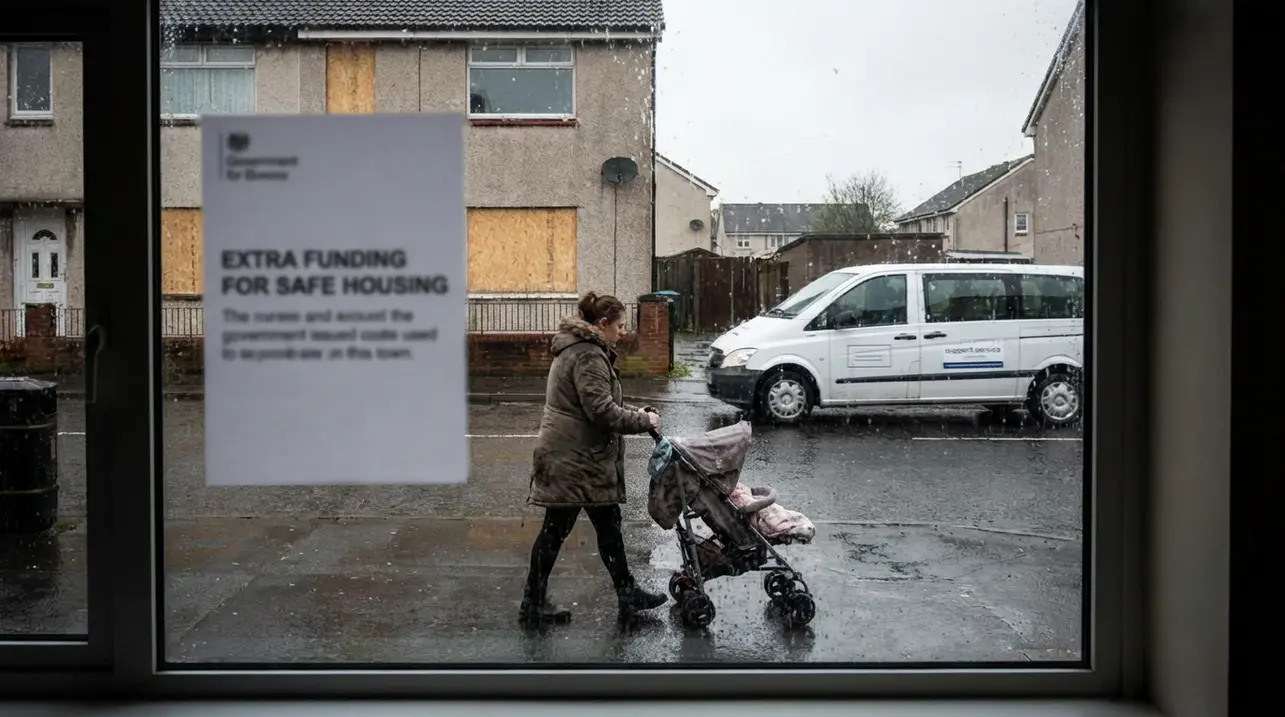
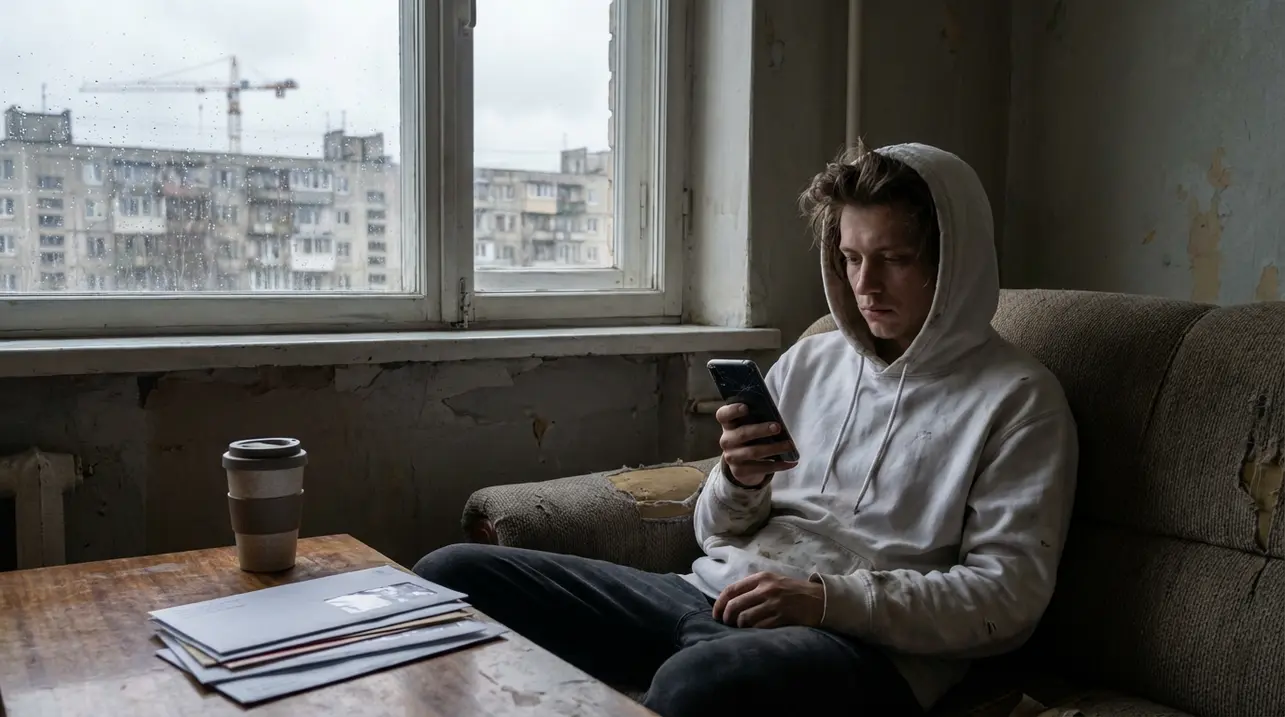
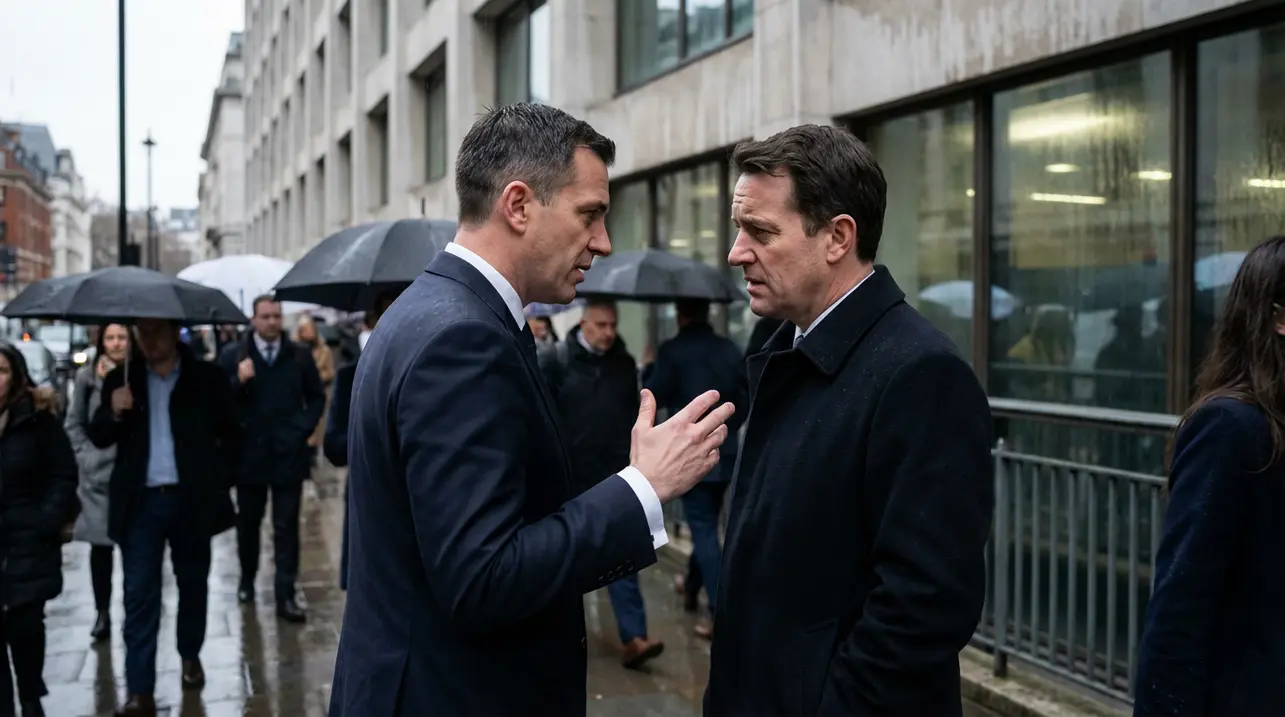
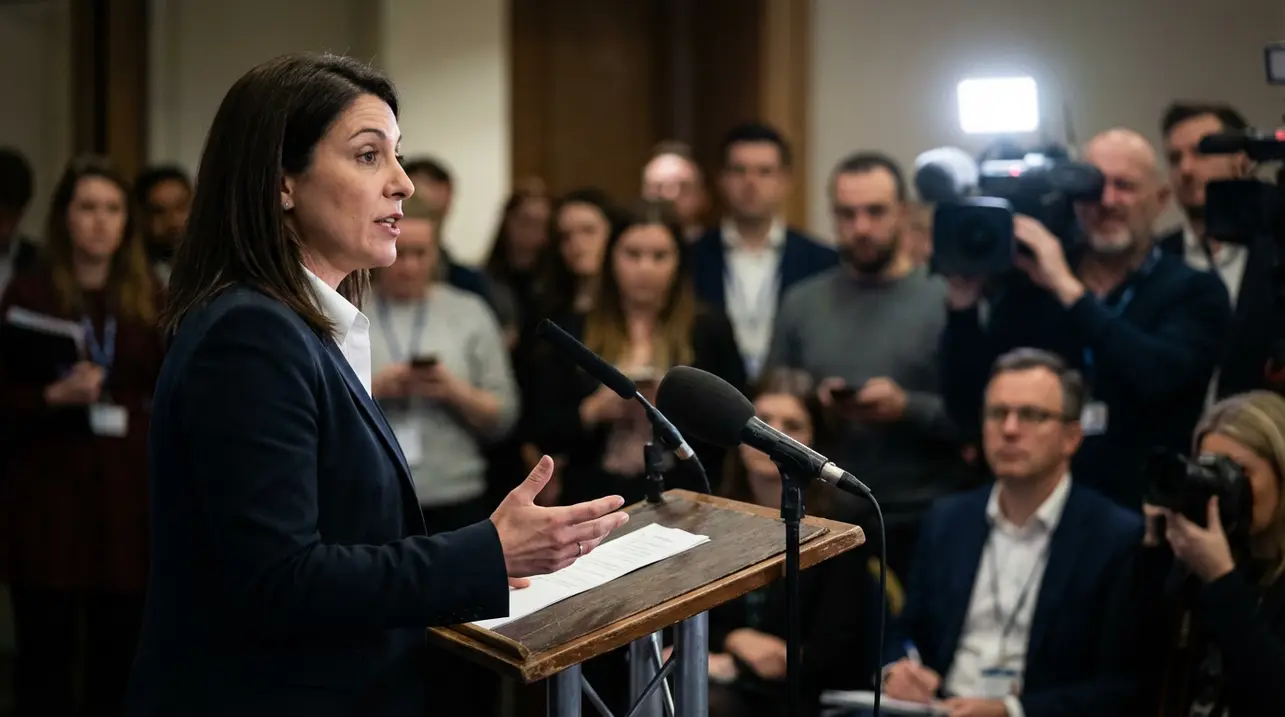
In a move that underscores the new government’s stated commitment to a social justice agenda, a significant, albeit arguably modest, £19 million in additional funding has been earmarked for local councils as part of the broader Violence Against Women and Girls (VAWG) strategy, specifically to bolster safe housing for domestic abuse survivors. This policy intervention, arriving amidst a backdrop of strained local authority budgets and a chronic national shortage of refuge spaces, is being framed by advocates as a critical first step, though one that demands far greater and sustained investment to match the scale of the crisis.The announcement, however, was immediately juxtaposed against the stark realities of international diplomacy and the lingering shadows of recent national trauma. Foreign Secretary Yvette Cooper, in a pointed departure from her domestic portfolio, took to social media to issue a forceful statement demanding the immediate release of Hong Kong media tycoon and pro-democracy campaigner Jimmy Lai, following his conviction on national security and sedition charges—a case widely condemned by Western democracies as a politically motivated erosion of freedoms.This dual-track focus, pivoting from a deeply personal, grassroots issue of survival to the high-stakes theatre of geopolitical human rights, reveals the complex, often schizophrenic nature of modern governance, where a cabinet must project compassionate authority at home while navigating an increasingly fractious global order. Meanwhile, the political present remains tethered to the recent past, as Prime Minister Rishi Sunak prepares to give evidence to the Covid-19 inquiry, specifically on the economic response he spearheaded as Chancellor.His testimony, spanning a day and a half, is anticipated to be a defining moment, scrutinizing the genesis and impact of policies like the furlough scheme and ‘Eat Out to Help Out’—initiatives credited with economic lifelines yet also controversially linked to viral spread. The inquiry’s shift to the economic module forces a reckoning not just with balance sheets, but with the profound moral calculus of pandemic leadership: the trade-offs between public health and economic survival, between immediate intervention and long-term national debt.This confluence of events—a funding pledge for the most vulnerable, a stand against authoritarian overreach, and a retrospective audit of catastrophic crisis management—paints a portrait of a political landscape in transition. It highlights the enduring, gendered impact of domestic violence as a policy priority that has historically been underfunded and deprioritized, now demanding more than symbolic gestures.Simultaneously, it tests the UK’s foreign policy voice post-Brexit, challenging it to move beyond statements to substantive action in defence of liberal values. And ultimately, it subjects the architects of our recent national ordeal to forensic examination, a process vital for public accountability but one that risks reopening societal wounds before a coherent narrative of healing and learning can be fully established. The true measure of this government will be whether it can synthesize these disparate threads—the empathetic, the geopolitical, and the forensic—into a coherent governing philosophy that protects citizens from violence in their homes, advocates for rights abroad with consistency, and learns from past fiscal and health emergencies to build a more resilient state.
#domestic abuse
#funding
#violence against women and girls
#VAWG strategy
#Jimmy Lai
#Hong Kong
#Rishi Sunak
#Covid inquiry
#editorial picks news