

- News
- Finance
- Bank of England Poised to Consider Future Rate Increases Amid Persistent Inflationary Pressures

Bank of England Poised to Consider Future Rate Increases Amid Persistent Inflationary Pressures
The Bank of England's Monetary Policy Committee (MPC) is set to convene on July 30, a meeting closely watched by financial markets and households alike, but the immediate decision on interest rates is merely a chapter in a much larger narrative concerning the UK's long-term monetary policy trajectory. Beyond the immediate cycle of adjustments, the central bank grapples with the potential necessity of further tightening measures extending years into the future, a prospect driven by stubbornly high inflation that continues to defy earlier predictions of a swift return to target levels. This forward-looking perspective, stretching towards the end of 2026, highlights the profound uncertainty and persistent challenges facing policymakers as they navigate a complex economic landscape.
For nearly two years, the Bank of England has embarked on an aggressive campaign of interest rate hikes, elevating the base rate from a historic low to its current multi-decade high in an effort to rein in runaway inflation. Initially triggered by post-pandemic supply chain disruptions and exacerbated by soaring global energy prices following geopolitical events, inflationary pressures have proven far more entrenched than anticipated. While headline Consumer Price Index (CPI) figures have begun to ease from their peak, core inflation, particularly in the services sector, remains stubbornly elevated. This stickiness suggests that domestic factors, such as robust wage growth and strong demand in certain areas of the economy, are now playing a more significant role, complicating the MPC's task of achieving its 2% inflation target.
The MPC's upcoming decision, and indeed its future strategy, hinges on a delicate balance of conflicting economic signals. Recent data has painted a mixed picture: unemployment rates remain low, and wage growth, while cooling slightly, is still running hot, providing consumers with some spending power. However, GDP growth has been sluggish, and some sectors of the economy are showing signs of strain under the weight of higher borrowing costs. This dichotomy fuels an ongoing debate within the MPC, with some members advocating for continued vigilance and a readiness to raise rates further if inflation proves resilient, while others caution against over-tightening and the risk of pushing the economy into a deeper recession.
Governor Andrew Bailey and his colleagues face the unenviable task of tempering inflationary expectations without triggering an undue economic downturn. The long-term outlook is particularly challenging, as the Bank must consider how structural changes, such as shifts in global trade, decarbonisation efforts, and demographic trends, might influence future price stability. Fiscal policy also plays a crucial role; government spending and taxation decisions can either complement or counteract the central bank's monetary efforts. The interaction between these forces will be critical in determining whether the UK economy can achieve a sustainable path to price stability, potentially requiring policymakers to revisit the tightening lever even after any current cycle concludes.
The implications of the Bank of England's future rate trajectory are far-reaching. For households, sustained higher interest rates would mean continued pressure on mortgage payments and borrowing costs, impacting discretionary spending and investment. Businesses would face higher financing costs, potentially dampening investment and hiring intentions. For the government, higher rates increase the cost of servicing the national debt, placing additional strain on public finances. Ultimately, the Bank's ability to steer the UK economy towards its 2% inflation target without inflicting excessive damage on growth will define its legacy in the coming years, underscoring why the possibility of future rate increases remains a live and significant consideration for policymakers through 2026 and beyond.
Stay Informed. Act Smarter.
Get weekly highlights, major headlines, and expert insights — then put your knowledge to work in our live prediction markets.
Related News
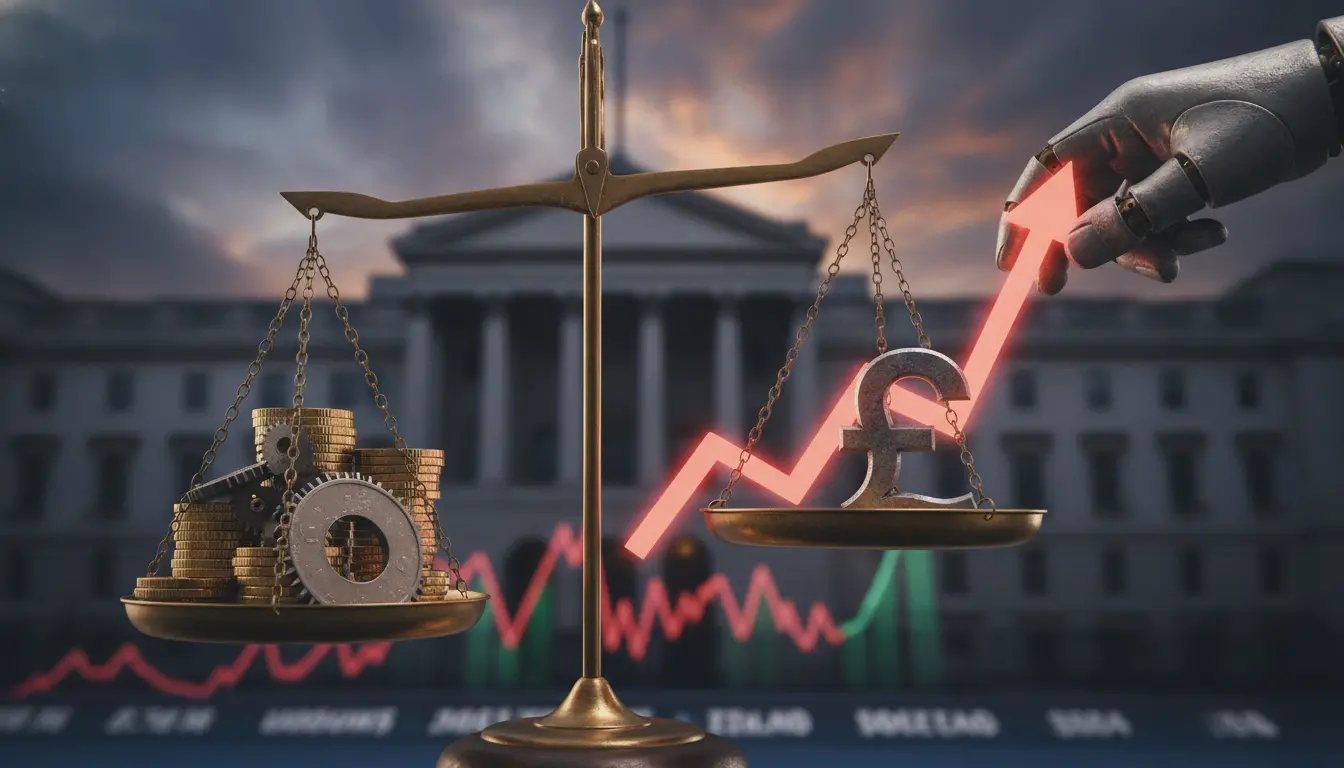
Bank of England Weighs Further Rate Hikes to Combat Stubborn Inflation Beyond Current Cycle

Bank of England Faces Debate Over Potential Rate Hike by End of 2026

Bank of England Navigates Complex Path Towards Potential Rate Cuts by Early 2027

Bank of England Signals Extended Easing Cycle as Rate Cut Bets Intensify
US Federal Reserve's Long-Term Interest Rate Path Under Intense Scrutiny

Bank of Korea Signals Continued Vigilance Against Inflation, Further Rate Adjustments Possible

ECB Eyes Potential Further Rate Hikes Amid Persistent Eurozone Inflation Concerns

Federal Reserve's Long-Term Inflation Battle Intensifies Ahead of July 2026 Core PCE Report

Eurozone Economic Outlook and Persistent Inflation Set Stage for ECB's Mid-2026 Monetary Policy Review

Federal Reserve's Long-Term Strategy Under Scrutiny as Analysts Project Path to 2026 Rate Decisions