
SciencemedicinePublic Health
Vitamin C May Reduce Cellular Damage From Air Pollution
RA
16 hours ago7 min read
The insidious creep of air pollution, a global crisis often rendered abstract until a cough becomes chronic or a skyline disappears behind a permanent haze, has long demanded solutions that feel both accessible and potent. A compelling new study from researchers at the University of Technology Sydney now posits that a humble, everyday nutrient—vitamin C—might offer a tangible line of defense against the cellular carnage wrought by polluted air.This research, emerging from a world where over 90% of the population breathes air exceeding WHO guideline limits, shifts the conversation from purely macro-level policy battles to the microscopic frontiers of personal biochemistry. The study’s core premise investigates vitamin C’s potent antioxidant properties, specifically its ability to neutralize free radicals and reactive oxygen species generated when fine particulate matter (PM2.5) and other pollutants infiltrate lung tissue and enter the bloodstream. These unstable molecules wreak havoc through oxidative stress, a process that damages cellular structures, degrades DNA, and fuels systemic inflammation—a known precursor to a devastating spectrum of conditions from asthma and COPD to cardiovascular disease and certain cancers.The Australian team’s work, building on a growing body of epidemiological evidence, delves into the molecular pathways, suggesting that adequate ascorbic acid levels can act as a sacrificial buffer, essentially taking the oxidative hit meant for vital cellular components. This isn’t about suggesting an orange can counter a lifetime beside a smelter; it’s about understanding nutritional status as a modifier of individual risk in an unavoidably contaminated environment.Historically, public health responses to pollution have focused on source control, filtration, and avoidance—all critical, yet often inequitably distributed. The notion of nutritional intervention adds a nuanced, if complementary, layer.Experts in environmental health caution that this must not be misconstrued as a license for polluters or a substitute for the hard regulatory work of cleaning our skies. Dr.Anya Petrova, an environmental toxicologist not involved in the study, frames it as such: 'Think of it as strengthening the hull of a ship sailing through a storm. The ultimate goal is to calm the seas, but until we achieve that, reinforcing the vessel is a prudent strategy for those on board.' The research also opens complex questions about dosage, bioavailability, and the synergy of vitamin C with other antioxidants like vitamin E, as well as the stark realities of nutritional disparities. Populations in the world’s most polluted megacities, from Delhi to Beijing, often face dual burdens of environmental and dietary stress.
#vitamin c
#air pollution
#health benefits
#cellular damage
#research study
#editorial picks news
Related News
3 days ago
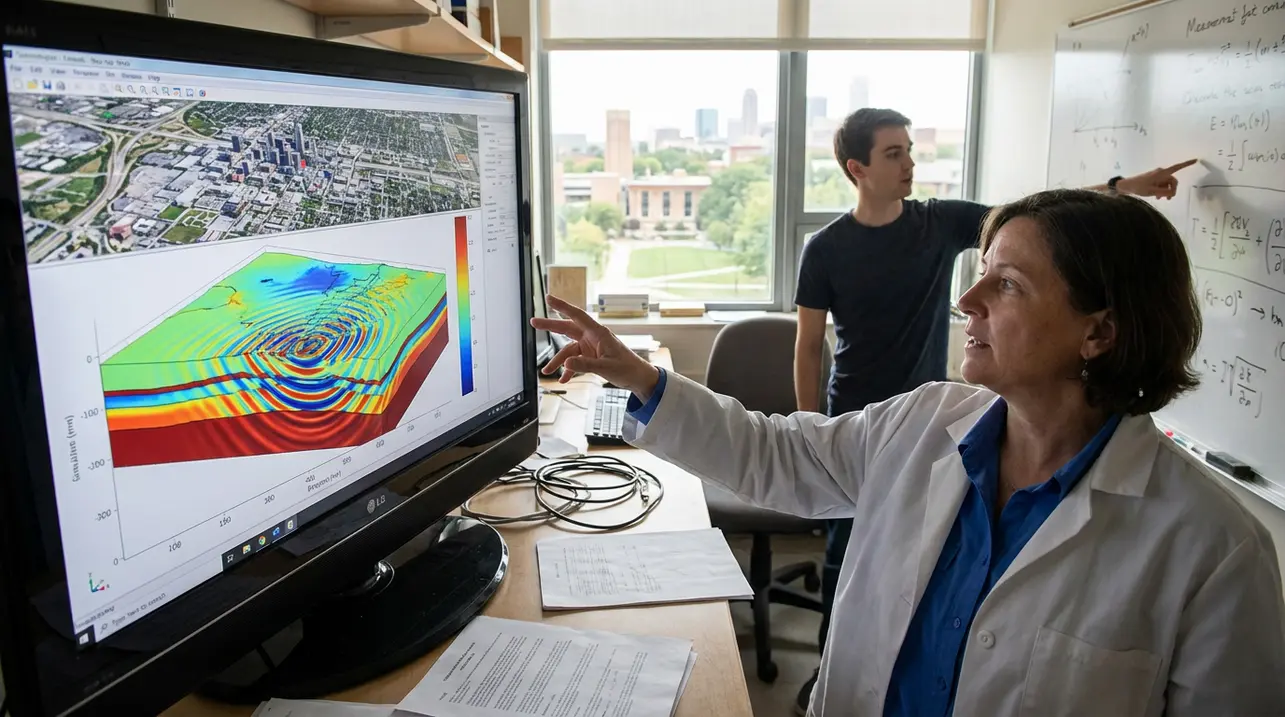
This simple math trick could transform earthquake science

3 days ago
Understanding the Science Behind 'Your Body Keeps Score'

3 days ago
Outpoll Weekly Recap: Science (December 29, 2025 – January 4, 2026)
3 days ago
Outpoll Weekly Recap: Science (December 22 – 28, 2025)

3 days ago
Outpoll Weekly Recap: Science (December 15 – 21, 2025)
3 days ago
Outpoll Weekly Recap: Science (December 8 – 14, 2025)

4 days ago
Outpoll Weekly Recap: Science (December 1 – 7, 2025)

4 days ago
Outpoll Weekly Recap: Science (November 24 – 30, 2025)

4 days ago
Outpoll Weekly Recap: Science (November 17 – 23, 2025)

4 days ago
Outpoll Weekly Recap: Science (November 10 – 16, 2025)




Comments
Loading comments...
© 2025 Outpoll Service LTD. All rights reserved.