- News
- politics
- The Guardian view on combating Europe’s national populists: protect the less well-off from the winds of change | Editorial

The Guardian view on combating Europe’s national populists: protect the less well-off from the winds of change | Editorial
Stay Informed. Act Smarter.
Get weekly highlights, major headlines, and expert insights — then put your knowledge to work in our live prediction markets.

Polanski claims Green support surging in London as five Labour councillors defect in Brent – UK politics live
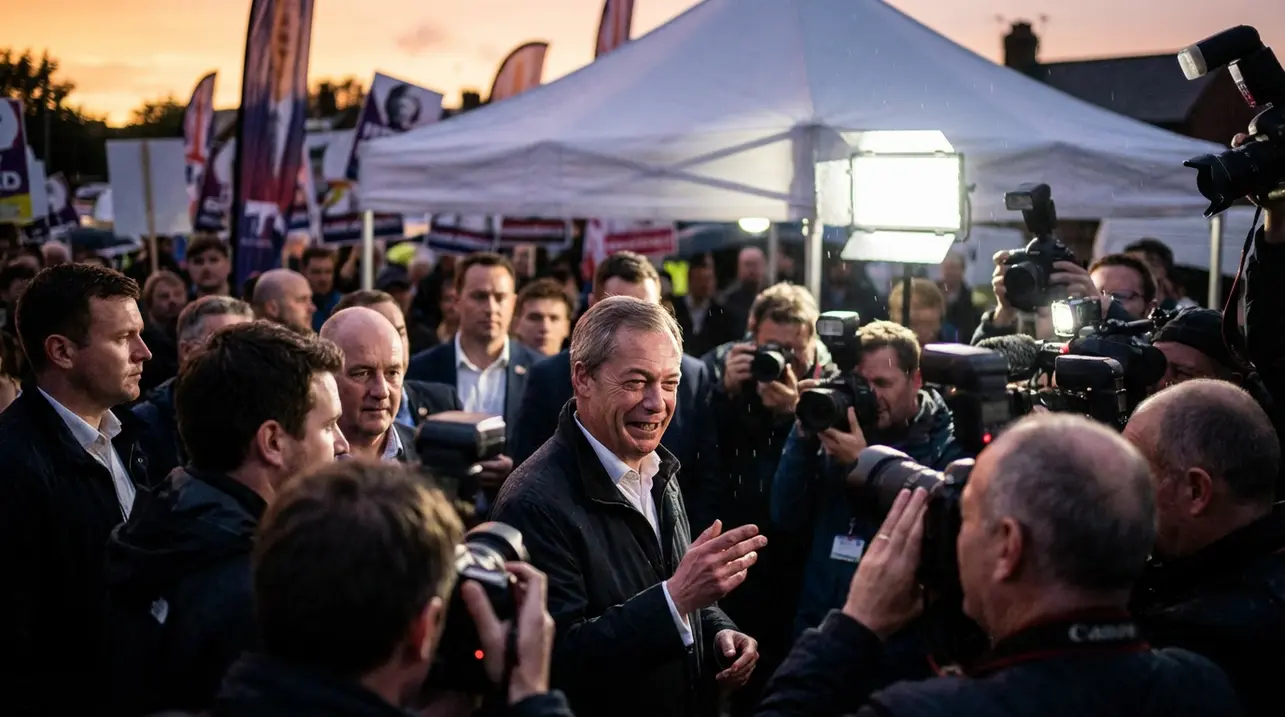
Farage's Alleged Past and Polling Resilience: A Test for UK Politics
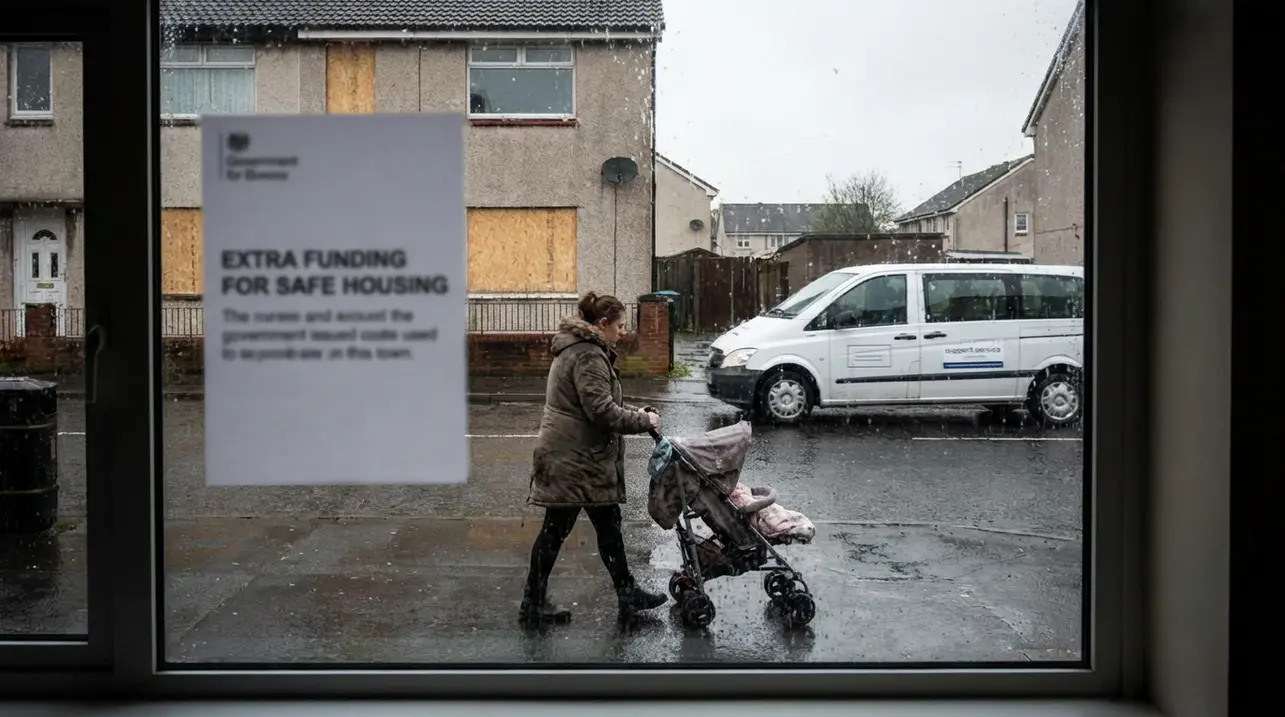
Government announces extra funding for safe housing for domestic abuse survivors – UK politics live

UK politics: Trump talks ‘complete nonsense’ about crime in London, says Met police commissioner – as it happened
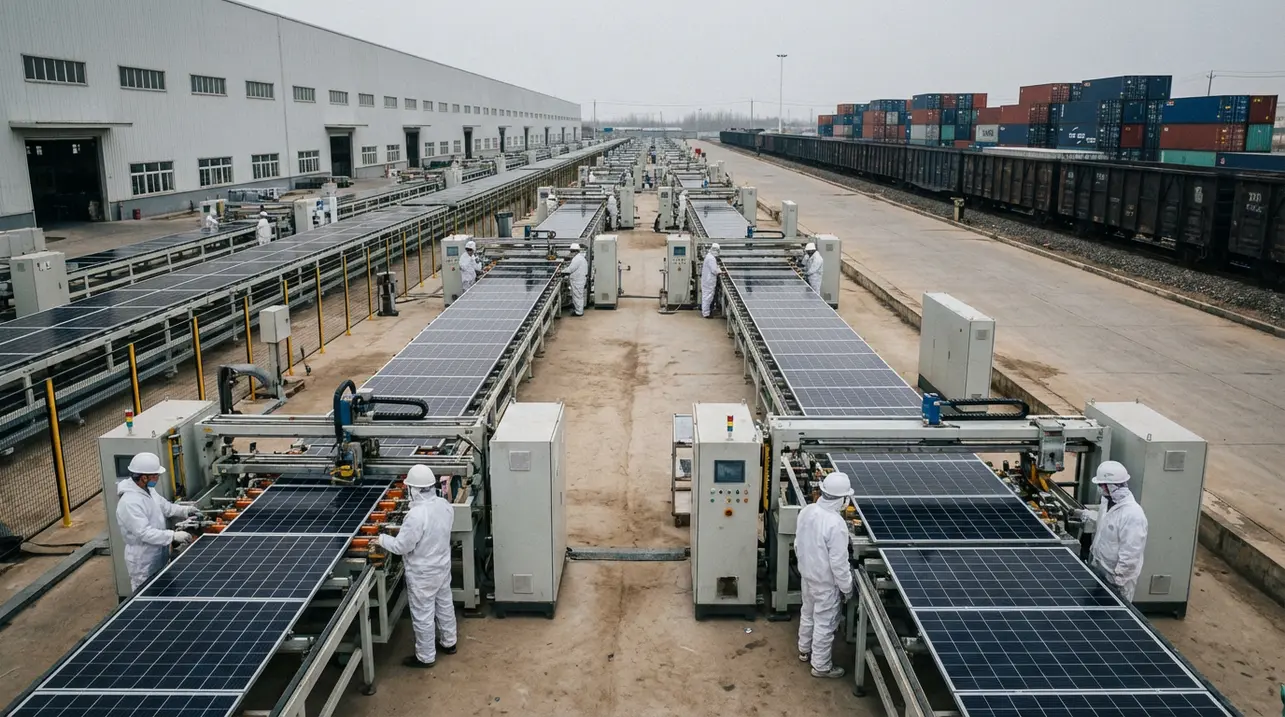
China's green tech dominance driven by scale and cost, not geopolitics.

To Win Over Gen Z, Politics Must Fix the Broken Social Contract, Not Just the Feed

UK politics: No 10 brushes off claims Streeting’s criticism of ‘technocratic approach’ refers to Starmer –as it happened

Council of Europe agrees to look at how ECHR applied in face of ‘challenges posed by irregular migration’ – UK politics live

The Role of Catholic Politics in Venezuela's Opposition Movement

The Enduring Influence: How Catholic Politics Shapes Venezuela's Opposition
The Role of Catholic Politics in Venezuela's Opposition

Trump Hosts Kennedy Center Honors, Blending Politics with Entertainment
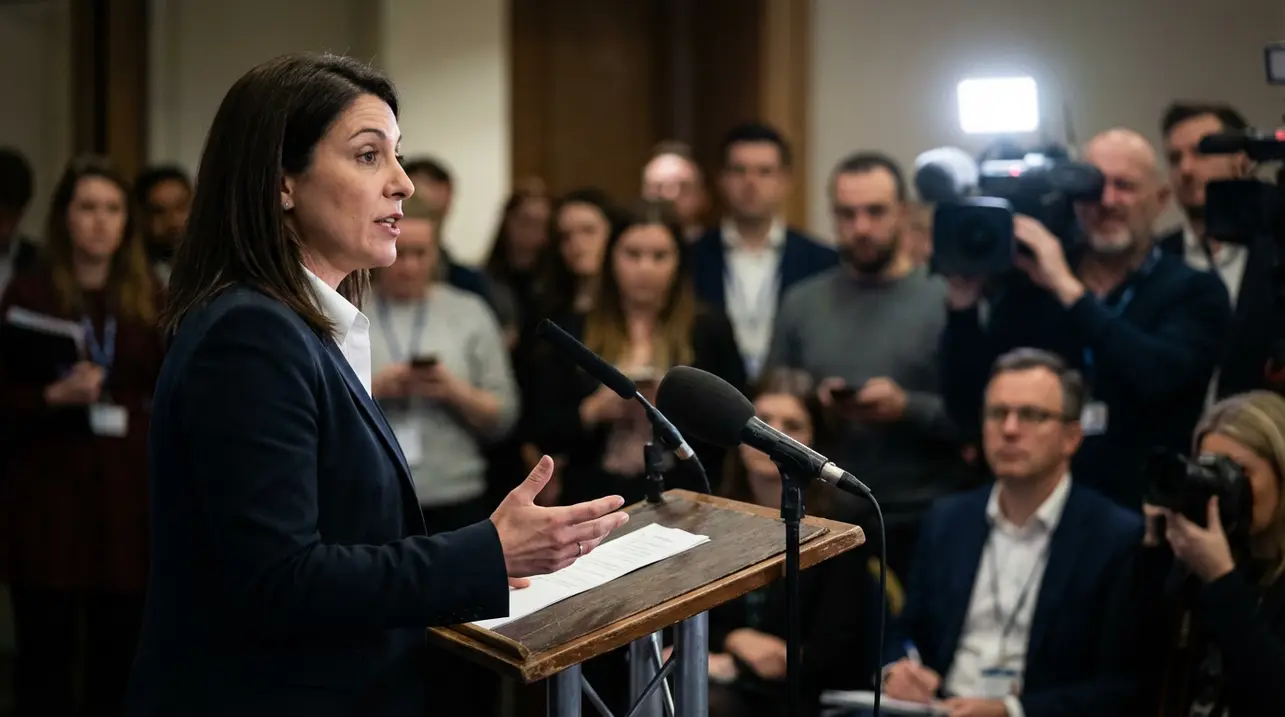
Your Party’s Sultana suggests ‘electoral alliances’ could help stop Farage – UK politics live

Clay Diplomacy: Amarna Letters Unearth a Web of Bronze Age Power Politics

Betting scandals broke sports. Could prediction markets do the same to politics?
Loading comments...