

- News
- Politics
- Rep. Ro Khanna Set to Unveil 'Data Center Bill of Rights' Addressing AI's Energy Footprint

Rep. Ro Khanna Set to Unveil 'Data Center Bill of Rights' Addressing AI's Energy Footprint
Congressman Ro Khanna is spearheading an effort to introduce a "Data Center Bill of Rights" in the U.S. House of Representatives, a legislative move designed to address the escalating environmental and community impacts of the rapidly expanding artificial intelligence sector. This initiative comes as policymakers and environmental advocates increasingly scrutinize the immense energy and water demands of AI-powered data centers, often dubbed "AI power plants," and their implications for public infrastructure and climate goals.
The rapid growth of AI has brought to the fore critical questions about the infrastructure supporting it. Data centers, the physical backbone of the digital world and increasingly AI operations, consume staggering amounts of electricity, rivaling the needs of small to medium-sized cities, and require vast quantities of water for cooling server racks. This surge in demand strains local power grids, exacerbates climate concerns by increasing reliance on fossil fuels in many regions, and often leads to community backlash over noise, visual pollution, and resource depletion, particularly in areas grappling with existing energy and water scarcity.
While specifics of Khanna's proposed bill are still emerging, a "Data Center Bill of Rights" is expected to encompass provisions aimed at greater transparency, local community input, and robust environmental safeguards. This could include requirements for enhanced energy efficiency standards, mandates for data centers to source a higher percentage of their electricity from renewable energy, restrictions on water usage, and mechanisms for local governments to have a greater say in the siting and operation of new facilities. The intent is to ensure that these massive industrial complexes align with community needs and environmental sustainability rather than solely corporate expansion interests.
Representative Khanna, a Democrat from California's Silicon Valley, has often positioned himself as a voice for responsible technological advancement and balancing innovation with public interest. His proposal highlights a growing bipartisan concern in Congress regarding the unchecked expansion of tech infrastructure and its broader societal implications. This sentiment reflects a shift from a hands-off approach to technology policy, as lawmakers begin to grapple with the tangible effects of advanced computing on everything from climate to local economies. However, the path to legislative success is fraught with challenges, as powerful tech lobbying groups often resist regulations that could increase operational costs or slow development schedules. Striking a balance between fostering innovation and implementing necessary oversight will be key to any such bill's viability.
The proposed legislation places tech giants, utility providers, and local communities at a crossroads. For companies like Google, Microsoft, Amazon, and Meta, which are heavily investing in AI infrastructure, stricter regulations could mean significant adjustments to their expansion strategies, potentially driving up costs or requiring relocation to more resource-abundant or environmentally compliant regions. For energy providers, it could accelerate the transition to renewable sources and necessitate substantial upgrades to grid infrastructure to meet new demands sustainably. For communities, it represents a potential shift in power dynamics, allowing them more agency in decisions that directly impact their resources, environment, and quality of life.
Khanna's initiative is part of a larger, evolving debate about the governance of artificial intelligence. Beyond the immediate physical infrastructure, lawmakers are grappling with issues ranging from data privacy and algorithmic bias to national security and workforce displacement. The "Data Center Bill of Rights" serves as a tangible example of how the abstract concept of AI is manifesting in very real, ground-level challenges that require thoughtful legislative intervention. The coming months will determine the traction this proposed bill gains and its ultimate shape as it navigates the complex legislative process in Washington, signaling a new era of scrutiny for the tech sector's physical footprint.
Stay Informed. Act Smarter.
Get weekly highlights, major headlines, and expert insights — then put your knowledge to work in our live prediction markets.
Related News
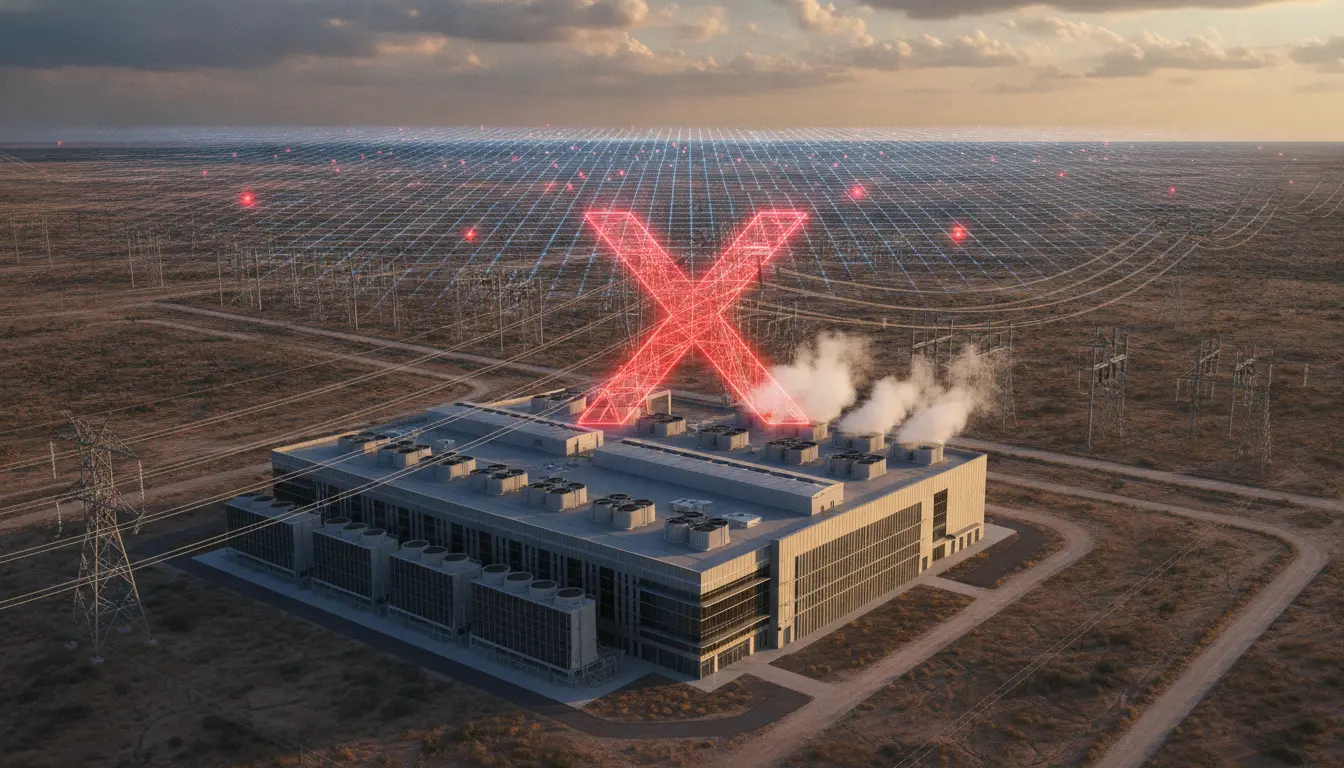
Texas Grid Operator Grapples with Surging Data Center Demand, Halts New Connections

US Congressman Ro Khanna Reportedly Detained by Israeli Settlers in West Bank, Prompting Diplomatic Scrutiny

AI Industry Cash Deluges New York Congressional Primary, Testing Tech’s Political Clout

Congressional Push to Ban TikTok Gains Momentum Amid Data Security Concerns

UK Readies New AI Data Regulation Framework, Eyeing Potential Divergence from EU Act

Will the Trump administration successfully halt the air pollution lawsuit against xAI data by December 31, 2026?
US Congressional Measure Seeks to Block Federal Reserve From Issuing Digital Currency
OpenAI Explores Granting US Government 5% Equity Stake as Regulatory Scrutiny Intensifies

US Senate Pushes Forward with Kids Online Safety Act to Strengthen Protections for Young Users

US Government Prepares Potential Directives on Public Access to Advanced OpenAI Models