PoliticslegislationNew Bills and Laws
Labour ‘alienating rural people’ with plan to ban trail hunting, says Countryside Alliance
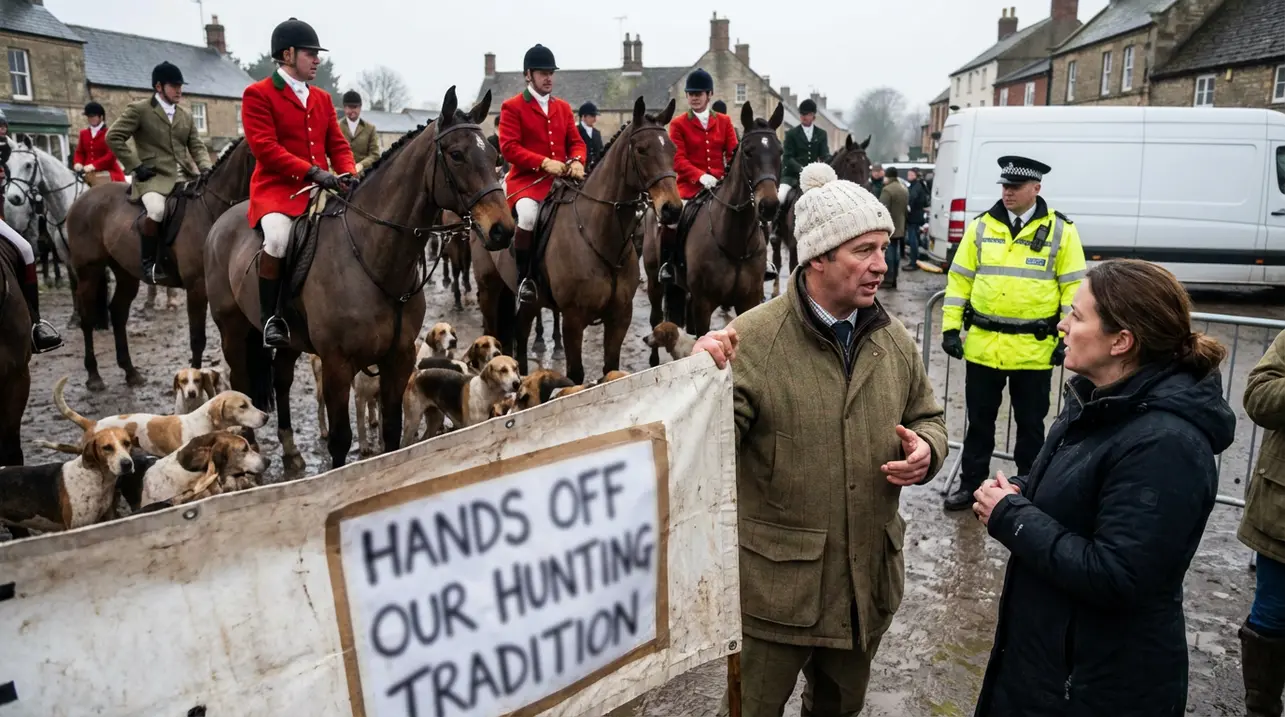
The traditional Boxing Day hunt, a centuries-old spectacle of horses, hounds, and scarlet coats, unfolded across the English countryside this year under a distinctly political shadow. As riders gathered in market squares from the Lake District to the Cotswolds, the event served not just as a cultural ritual but as the latest front in a simmering campaign war between rural communities and the new Labour government.The Countryside Alliance, a formidable pressure group long skilled in the art of political combat, seized the media moment with a precision strike, releasing a poll claiming 65% of the public believes the Starmer administration unfairly neglects rural areas. This isn't merely a protest; it’s a calculated narrative offensive, framing the government’s proposed ban on trail hunting—a practice opponents see as a smokescreen for illegal fox hunting—as a fundamental breach of trust with the shires.The Alliance’s warning that Labour has “alienated rural people” is a classic piece of political messaging, designed to resonate beyond the hunt itself and tap into deeper, more pervasive anxieties about infrastructure, housing, and economic opportunity in the countryside. To understand the potency of this move, one must look back to the bitter battles over the 2004 Hunting Act, which banned hunting wild mammals with dogs but left the loophole of ‘trail’ hunting—following a pre-laid scent.That legislation became a symbolic fault line, a culture war emblem that Labour, then under Tony Blair, navigated with immense difficulty, and which the Conservative party later weaponised to cement its ‘party of the countryside’ image. Now, Starmer’s government, with a commanding majority and an urban-centric electoral map, is walking directly into that same minefield.The strategic risk is palpable: by prioritising this ban, Labour potentially energises a cohesive, vocal opposition and cedes valuable political capital that could be spent on core economic pledges. Yet, for the government’s base and many MPs, it’s a non-negotiable point of principle, a long-overdue enforcement of the spirit of the law.The Boxing Day imagery, therefore, is a potent piece of political theatre for both sides. For the Alliance, it showcases tradition, community, and a way of life they argue is under siege.For ban proponents, it’s an anachronistic display that highlights the need for clearer legislation. The released poll numbers are themselves a weapon in this media war; their methodology and framing will be dissected, but their headline impact in news bulletins is immediate.The consequence of this clash extends far beyond the fate of the hunt. It tests Labour’s ability to govern for the whole nation, challenges its messaging in constituencies it may need to hold in the future, and could inadvertently unify a rural bloc around a single, emotionally charged issue. As the political strategists in Westminster parse the coverage from today’s events, they’ll be watching not just the size of the crowds, but the shifting polls in key market towns, knowing that in politics, as in hunting, sometimes the most dangerous traps are the ones you see coming but feel compelled to step into anyway.
#featured
#trail hunting ban
#Labour government
#Countryside Alliance
#rural communities
#Boxing Day hunts
#political opposition