PoliticslegislationEnvironmental Laws
Croatia Approves Nuclear Waste Site Near Bosnian Border
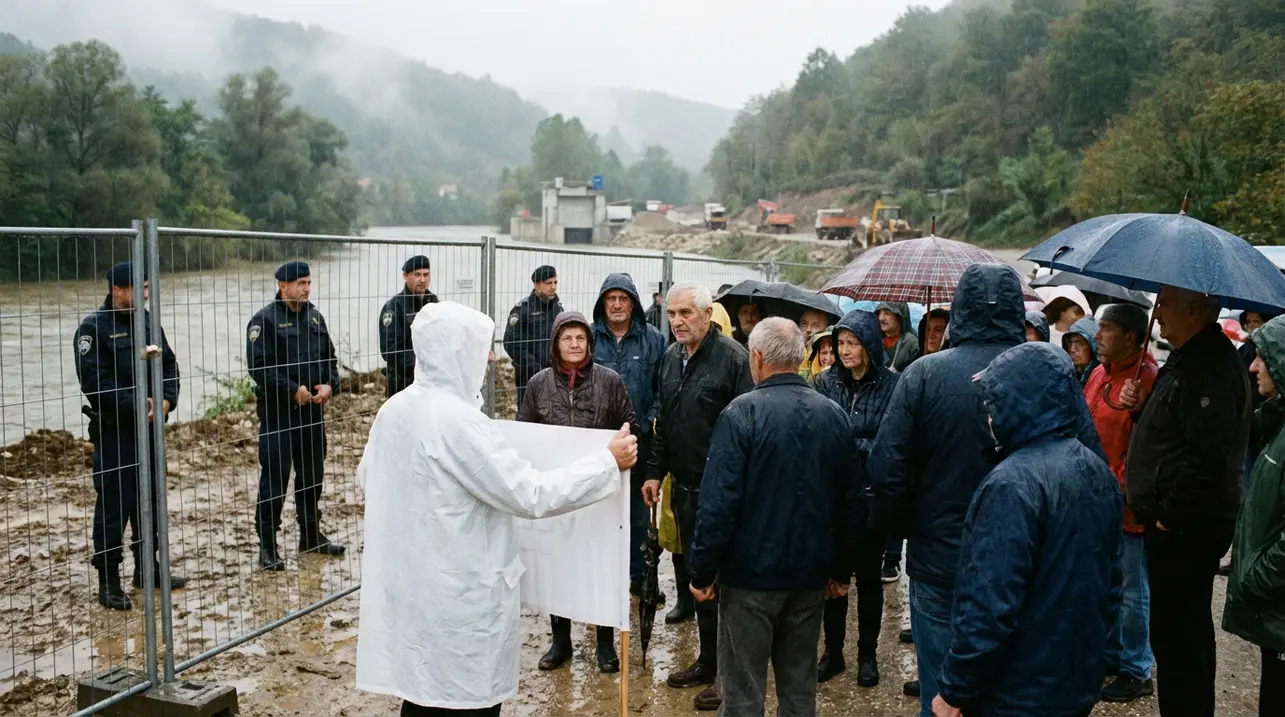
In a move that has reignited long-simmering geopolitical and environmental tensions in the Balkans, the Croatian parliament has formally passed legislation authorizing the construction of a permanent radioactive waste repository near its border with Bosnia and Herzegovina. This facility is designated to store low- and intermediate-level waste from the Krško Nuclear Power Plant—a facility jointly owned and operated by Croatia and Slovenia since the Yugoslav era—as well as medical and industrial radioactive waste generated within Croatia.The decision, while framed by Zagreb as a necessary step for responsible nuclear stewardship and energy independence, arrives after years of vehement opposition from Bosnian communities, local officials, and environmental groups who argue the chosen site poses a direct threat to approximately 250,000 residents downstream along the Una River basin. The historical precedent here is fraught; one need only recall the international disputes over nuclear waste siting in Europe, from the Gorleben protests in Germany to the transboundary anxieties surrounding the Swiss repository plans near the German border.This is not merely a local zoning issue but a classic case of sovereign policy colliding with transnational consequence, a scenario where national energy security calculus is weighed against the visceral, well-founded fears of a neighboring population that had no seat at the decision-making table. Analysts note that the Krško plant, a vestige of federal Yugoslav infrastructure, has long been a point of both cooperation and contention between Ljubljana and Zagreb, with its decommissioning and waste management a legally mandated shared responsibility.The new Croatian law effectively nationalizes a segment of this final disposal problem, seeking a domestic solution that critics allege externalizes risk. Expert commentary from regional environmental scientists underscores the hydrological vulnerabilities of the border region, where karst geology could facilitate contaminant migration, turning a national repository into a potential cross-border environmental crisis.The political ramifications extend beyond ecology, however. This action tests the fabric of EU accession aspirations for Bosnia and Herzegovina, a nation striving for closer integration with Brussels, while its EU-member neighbor proceeds with a project perceived as an existential threat.It echoes the complex, often tragic history of the region, where borders have been both fiercely defended and violently contested, and where trust is a scarce commodity. The possible consequences are multidimensional: a deepening of diplomatic frost between Sarajevo and Zagreb, potential legal challenges under international environmental conventions like the Espoo Convention, which mandates cross-border consultation on projects with significant environmental impact, and the galvanization of grassroots opposition that could morph into a sustained civil society movement.
#radioactive waste
#nuclear energy
#Croatia
#Bosnia
#cross-border dispute
#environmental protest
#Krško Nuclear Power Plant
#weeks picks news