PoliticslegislationEnvironmental Laws
Conservatives would end 2030 ban on new petrol and diesel cars
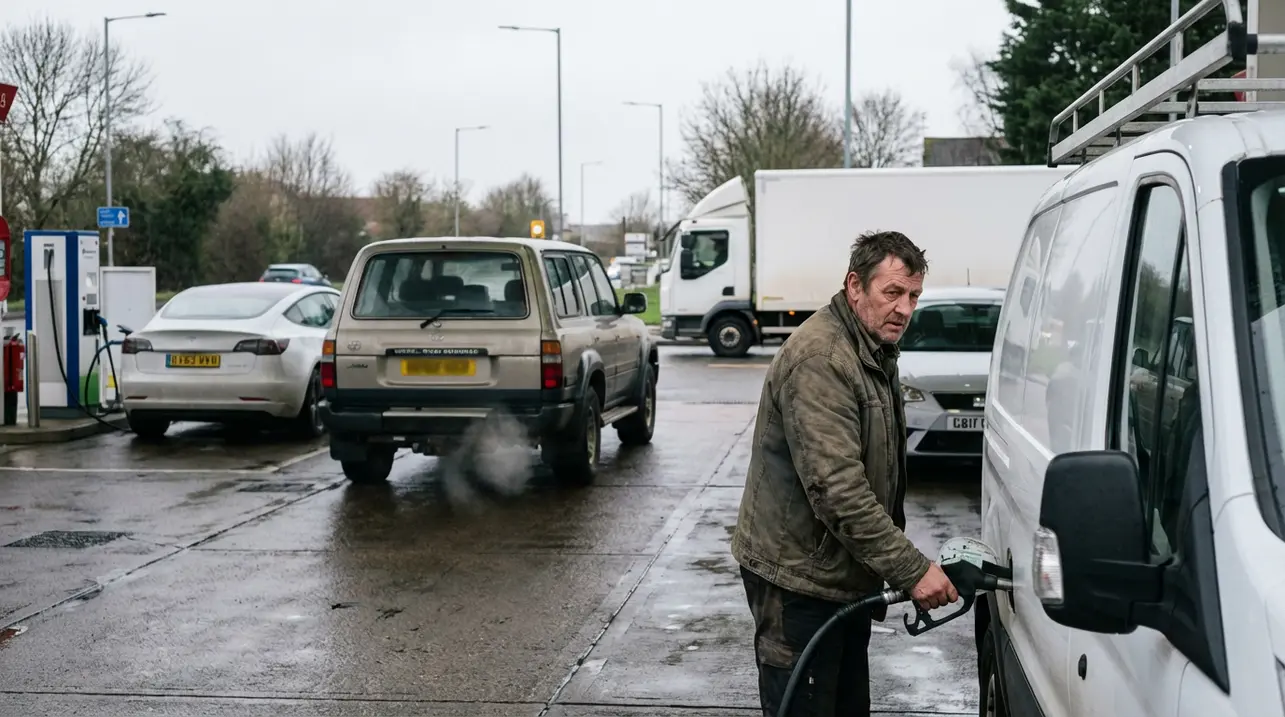
In a sharp pivot from the established green agenda, the Conservative Party has unveiled a proposal to scrap the 2030 ban on new petrol and diesel cars, a move that effectively rewrites the rules of engagement for the UK's automotive industry and its climate commitments. This isn't just a policy tweak; it's a full-scale strategic retreat, signalling a deliberate decoupling from the previous administration's environmental roadmap.The plan would abolish the zero-emission vehicle (ZEV) mandate, a regulatory framework that legally compelled manufacturers to ensure 80% of new cars and 70% of new vans sold by 2030 were zero-emission, scaling to 100% by 2035. By dismantling this mandate alongside the 2030 sales ban, the Conservatives are launching a direct assault on what they likely frame as burdensome, top-down regulation, betting instead on consumer choice and technological evolution to dictate the pace of the transition.This announcement reads less like a detailed policy paper and more like a campaign manifesto bullet point, designed to draw a clear, stark line in the sand ahead of an election. It’s a classic political gambit: identify a policy that imposes tangible costs and deadlines, label it as unrealistic or economically damaging, and promise to liberate voters and industry from its constraints.The immediate fallout will be a fierce battle of narratives. Proponents will argue this provides necessary breathing room for consumers grappling with high EV costs and inadequate charging infrastructure, and for manufacturers facing intense global competition, particularly from Chinese automakers.They’ll frame it as pragmatic realism, protecting jobs and consumer freedom against what they see as ideological zeal. Critics, however, will condemn it as a catastrophic surrender in the fight against climate change, one that undermines investor confidence in the UK's green sector, jeopardises legally binding carbon budgets, and leaves the country lagging behind international competitors who are charging ahead with electrification.The automotive industry itself is now caught in a political crossfire. For years, companies have made multi-billion-pound investment decisions based on the 2030 timeline, retooling factories and supply chains.This sudden potential reversal creates profound uncertainty, potentially stalling future investments as firms await political stability. Furthermore, it risks making the UK a regulatory island, out of step with the European Union's steadfast commitment to a 2035 end date for new combustion engine sales, which could complicate trade and compliance.The deeper political calculus here is evident: this is a play for voters in constituencies where the cost-of-living crisis bites hardest and where the immediate expense of an EV is a distant concern compared to filling up a used diesel car. It’s a bid to reframe the climate debate from one of collective global responsibility to one of individual economic burden.
#Conservative Party
#petrol and diesel cars
#electric vehicle mandate
#2030 ban
#UK environmental policy
#lead focus news