Otherauto & mobilityElectric Vehicles
Smart Toilet Camera Raises Privacy and Practicality Concerns
MI2 days ago7 min read1 comments
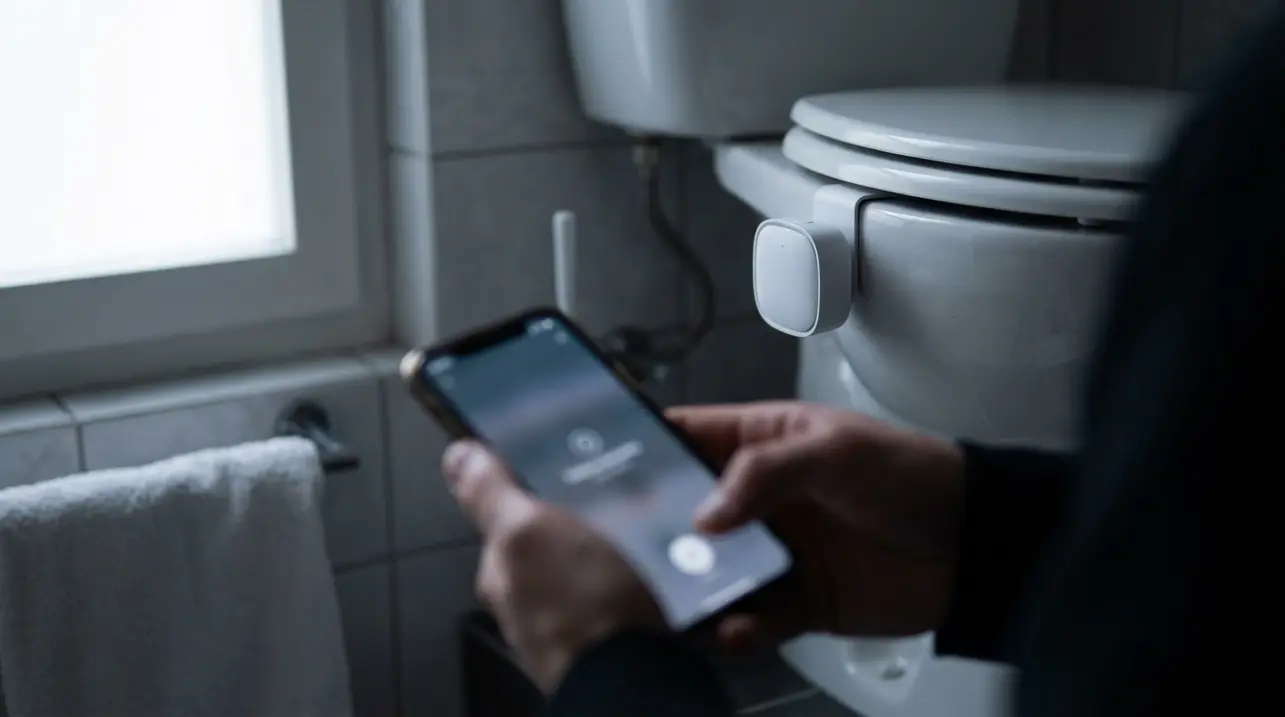
Just this week, I wrote about how a smart bed saved one man’s life. Well, today, we are reverting to the dark side of smart tech.Kohler, the company whose name is probably written on your bathroom faucet, is now selling a $599 toilet-mounted smart camera called the Dakoda. It, unsurprisingly, is not the most popular product launch of the year.The device, which uses computer vision to analyze your waste for health metrics, represents a fascinating and deeply troubling frontier in the Internet of Things, one that perfectly encapsulates the ongoing ethical tug-of-war between hyper-personalized health monitoring and the fundamental human right to privacy. This isn't just a quirky gadget story; it's a case study in how technological ambition, when untethered from rigorous ethical foresight, can create solutions that are dystopian in their implications.The core premise is straight out of a sci-fi wellness fantasy: a toilet that acts as a daily health dashboard, tracking biomarkers through excrement to flag potential issues like urinary tract infections or nutritional deficiencies. Proponents, often from the quantified-self movement, argue this is the logical evolution of preventative care—a passive, non-invasive tool that could provide early warnings far more consistently than annual check-ups.They point to the potential for managing chronic conditions or the value of aggregated, anonymized data for public health research. Yet, this utopian vision crashes headlong into the brick wall of reality, where the specter of a camera pointed at a toilet bowl immediately invokes a primal sense of vulnerability.The privacy concerns are not hypothetical; they are immediate and severe. We live in an era where smart home devices, from doorbell cameras to baby monitors, are routinely hacked, their intimate feeds leaked onto the dark web.The idea that a device processing the most private biological data could be secured against sophisticated attacks seems, at best, naively optimistic. Furthermore, the data ownership and usage policies of such devices remain murky.Would this sensitive health information be stored locally or in the cloud? Could it be sold or shared with third parties, such as insurance companies or data brokers, potentially leading to discrimination or inflated premiums? The ethical framework for this level of bodily surveillance simply does not exist, echoing the warnings of thinkers like Isaac Asimov, who long cautioned about the unforeseen societal consequences of advanced technology. Beyond the glaring privacy nightmare, the Dakoda raises profound questions about practicality and the very nature of human experience.There's a grotesque irony in using a $600 AI camera to tell you to eat more fiber, a piece of advice any basic nutrition app could provide. It represents a staggering over-engineering of a simple, private bodily function, reflecting a tech industry tendency to seek problems for its flashy solutions rather than addressing genuine needs.
#smart toilet
#privacy concerns
#Kohler Dakoda
#smart home devices
#technology backlash
#editorial picks news