

- News
- Finance
- Meta's Reality Labs Forecasted for Sustained Q2 2026 Operating Losses Amid Metaverse Strategy Reevaluation

Meta's Reality Labs Forecasted for Sustained Q2 2026 Operating Losses Amid Metaverse Strategy Reevaluation
Meta Platforms’ ambitious Reality Labs division is widely anticipated to report another significant operating loss for the second quarter of 2026, continuing a multi-year trend of substantial investments into its metaverse and augmented/virtual reality (AR/VR) initiatives. This expected financial outcome underscores the profound long-term commitment Meta has made to a future computing paradigm, even as it faces persistent questions regarding profitability and market adoption. The company's Q2 2026 earnings report, slated for July 29, 2026, will once again place the spotlight on the costly endeavor and its implications for Meta's overall financial health.
Since its rebranding from Facebook in late 2021, Meta has positioned itself as a pioneer in the metaverse, with CEO Mark Zuckerberg articulating a vision of interconnected virtual worlds that would eventually succeed mobile internet as the dominant computing platform. This strategic pivot led to the formation and heavy funding of Reality Labs, tasked with developing the foundational hardware, software, and content for this immersive future. Billions have been funneled into advanced R&D for next-generation VR headsets like the Quest series, sophisticated AR glasses, and the Horizon Worlds social platform, all while the division has yet to demonstrate a clear path to generating sufficient revenue to offset these colossal expenditures.
The scale of Reality Labs' losses has been a recurring theme in Meta’s financial disclosures, with the division consistently reporting billions in quarterly operating deficits. These figures reflect not only the intensive research and development required for cutting-edge AR/VR technology but also the high costs associated with manufacturing hardware, building out a robust developer ecosystem, and marketing nascent virtual experiences to a global audience. While these investments are framed by Meta as necessary for securing a future technological advantage, analysts and investors remain keen for clearer metrics on user engagement, revenue growth, and, ultimately, a reduction in the capital burn rate.
The broader AR/VR market remains in its nascent stages, characterized by slow consumer adoption and high hardware prices. Despite advancements in VR technology and the introduction of new high-profile devices from competitors, the mainstream appeal of truly immersive virtual environments has yet to fully materialize. Challenges include the need for compelling content, improved ergonomics, and a more seamless user experience. Meta’s Horizon Worlds, intended as a flagship metaverse experience, has faced criticism regarding its user interface and lack of dynamic content, highlighting the hurdles in attracting and retaining a critical mass of users to justify the vast investments.
Investor sentiment towards Reality Labs has been a mixed bag. While some shareholders commend Meta’s bold long-term vision and willingness to innovate, others express growing concern over the sustained losses and the lack of immediate returns. Calls for greater fiscal discipline and clearer strategic milestones have become more vocal, particularly during periods of broader economic uncertainty. The financial markets are constantly balancing Meta’s dominant and highly profitable advertising business with the drag from its metaverse bets, scrutinizing each earnings report for signals of either accelerating innovation or prudent cost management within Reality Labs.
Looking ahead to the Q2 2026 report, the continued financial performance of Reality Labs will be a critical indicator of Meta's ongoing commitment and the pace of its strategic adjustments. The company is at a pivotal juncture, navigating the imperative to build for the future while managing present-day financial realities. While Zuckerberg has reiterated his unwavering belief in the metaverse's potential, the pressure to demonstrate tangible progress, whether through increased device sales, metaverse monetization, or reduced operational expenses, will undoubtedly intensify. The outcome of these efforts will significantly shape Meta's trajectory as a technology giant in the coming years.
Stay Informed. Act Smarter.
Get weekly highlights, major headlines, and expert insights — then put your knowledge to work in our live prediction markets.
Related News

Meta Prepares for Potential Quest Headset Unveil at Connect 2026 Conference
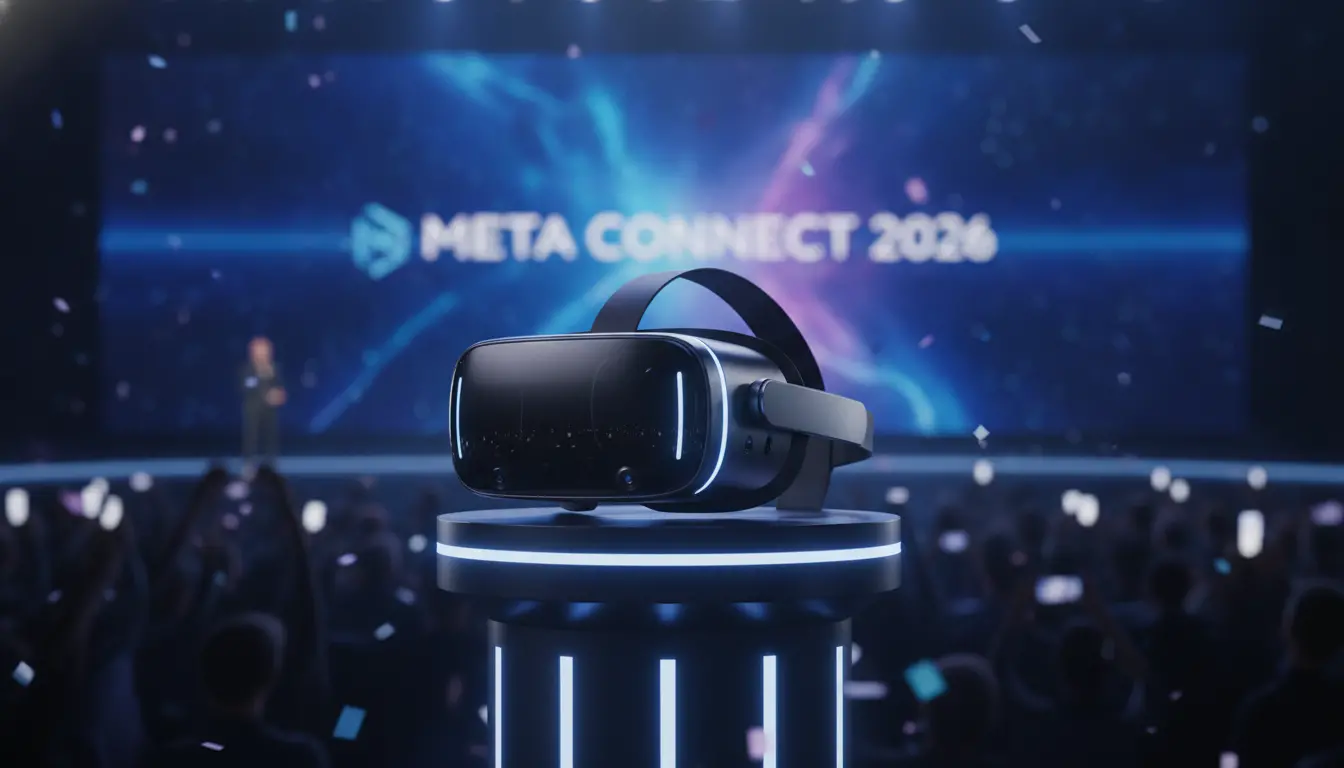
Meta Poised to Unveil Next-Generation Consumer Quest Headset at Connect 2026

Meta Poised for Significant Llama AI Model Update in Late 2026

Tesla's Aggressive AI and Robotaxi Capital Expenditures Stoke Free Cash Flow Concerns for Q2 2026

Meta Accelerates AI Ambitions with New 'Watermelon' Model for Advanced Text Generation and Reasoning

Landmark EU AI Act Data-Access Provisions to Take Effect in September 2026

Apple Defends 27% Commission on External App Store Payments Under Judicial Scrutiny

Apple Prepares Potential Trade Secret Lawsuit Against OpenAI Amid AI Industry Scrutiny

Apple Sues OpenAI Over Alleged Trade Secret Theft by Former Employees

Justice Department Files Landmark Antitrust Lawsuit Targeting Apple's iPhone Dominance