

Apple Sues OpenAI Over Alleged Trade Secret Theft by Former Employees
Apple, the Cupertino-based technology behemoth, has initiated a high-stakes legal battle against generative artificial intelligence leader OpenAI, accusing the Sam Altman-led company of trade secret theft. The lawsuit, filed in a significant move that underscores the escalating tensions and fierce competition within the burgeoning AI sector, alleges that former Apple employees illicitly carried confidential and proprietary information to OpenAI. This legal challenge not only pits two of the most influential technology firms against each other but also shines a harsh spotlight on the intricate issues surrounding intellectual property, employee mobility, and the race to dominate the next wave of technological innovation. The outcome of this dispute could profoundly shape how companies protect their AI research and development in an increasingly interconnected and talent-hungry industry.
At the heart of Apple’s complaint are claims that several ex-employees, who previously worked on critical AI projects at Apple, transitioned to OpenAI and subsequently divulged sensitive trade secrets. While the specific nature of these alleged secrets has not been fully detailed in public filings, sources close to the matter suggest they relate to advanced algorithms, proprietary datasets, and confidential methodologies developed by Apple for its own internal AI initiatives. Apple contends that these individuals, bound by strict non-disclosure agreements and employment contracts designed to safeguard its intellectual property, breached their obligations by sharing information crucial to Apple's competitive edge. The lawsuit seeks not only monetary damages for the alleged theft but also injunctive relief to prevent further use or dissemination of the purportedly stolen information, aiming to staunch any competitive advantage OpenAI might have gained.
This legal confrontation unfolds against a backdrop of intense rivalry in the AI arena. Apple, a historically secretive company known for its meticulous control over its technology, has been making concerted efforts to bolster its AI capabilities, aiming to integrate generative AI features across its vast ecosystem of hardware and software products. OpenAI, conversely, has rapidly ascended to prominence, leading the charge in large language models and other generative AI technologies. The recruitment of talent, particularly engineers and researchers with specialized AI expertise, has become a fierce contest, with companies often offering lucrative incentives to attract top minds. The lawsuit raises fundamental questions about the boundaries of employee mobility and the extent to which companies can protect their innovations when skilled personnel move between rivals. It also highlights the tremendous value placed on proprietary AI development, which is increasingly seen as the bedrock for future technological dominance.
The potential ramifications of this lawsuit extend far beyond the two companies directly involved. A ruling in favor of Apple could establish a significant precedent for how trade secrets in the highly fluid AI sector are treated legally, potentially making it more difficult for employees to move between competing firms without facing scrutiny. Conversely, if Apple’s claims falter, it could signal the challenges companies face in enforcing IP protections in an environment where knowledge and innovation are rapidly disseminated. Legal experts suggest that such disputes are becoming more common as AI research accelerates, blurring the lines between general technical knowledge and proprietary company secrets. The tech industry, already grappling with issues of AI safety, ethics, and regulation, now faces another complex layer of legal uncertainty regarding intellectual property ownership and protection.
Given the high profiles of both Apple and OpenAI, a protracted legal battle is anticipated, replete with discovery processes that could unearth a wealth of confidential information from both sides. While settlements are common in such high-stakes cases to avoid prolonged litigation and reputational damage, the specifics of this dispute, particularly the strategic importance of AI intellectual property, might compel both parties to pursue a definitive legal outcome. The involvement of former employees adds another dimension, potentially implicating individuals in the alleged misappropriation. As the legal proceedings unfold, the broader tech community will be keenly watching, understanding that the judgment rendered, or even the terms of a potential settlement, could redefine the competitive dynamics and ethical frameworks governing innovation in the artificial intelligence landscape for years to come.
Stay Informed. Act Smarter.
Get weekly highlights, major headlines, and expert insights — then put your knowledge to work in our live prediction markets.
Related News
Apple Prepares Potential Trade Secret Lawsuit Against OpenAI Amid AI Industry Scrutiny

Justice Department Files Landmark Antitrust Lawsuit Targeting Apple's iPhone Dominance
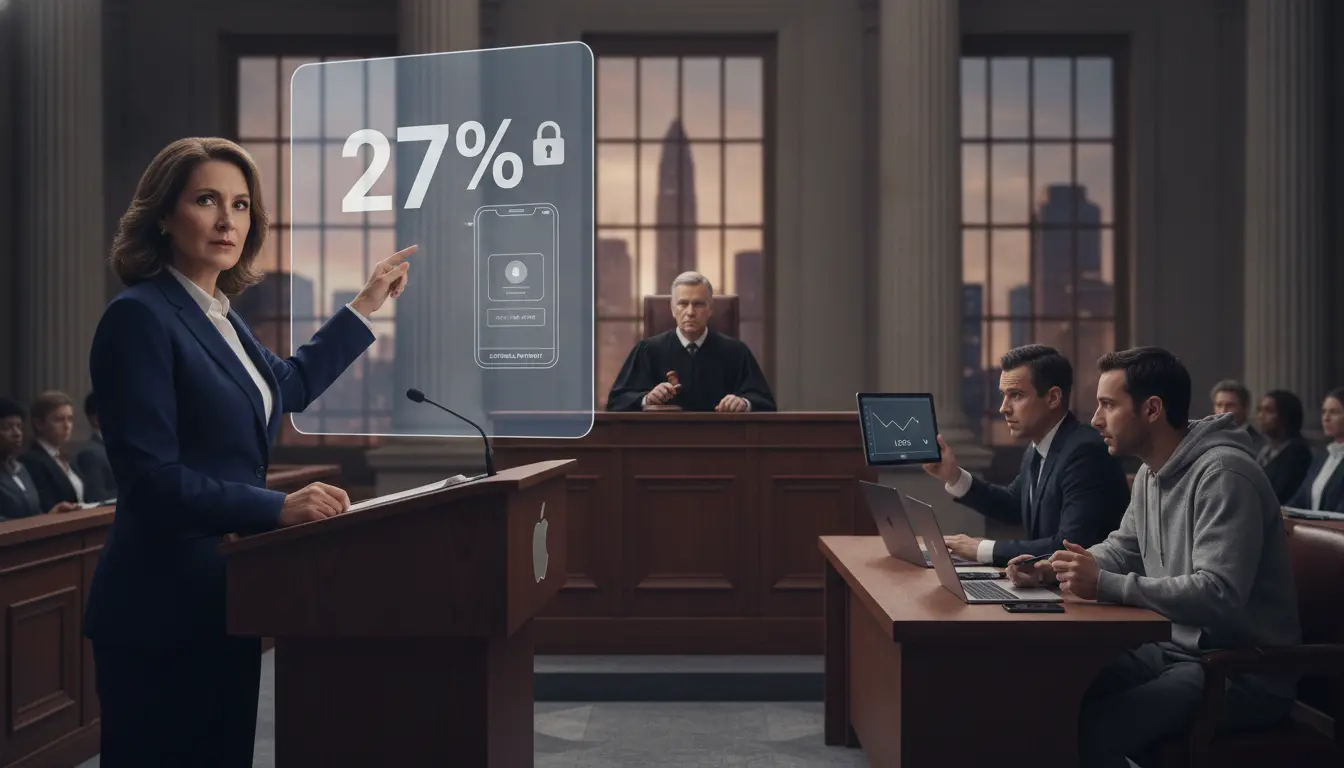
Apple Defends 27% Commission on External App Store Payments Under Judicial Scrutiny

Meta Accelerates AI Ambitions with New 'Watermelon' Model for Advanced Text Generation and Reasoning

Meta Poised for Significant Llama AI Model Update in Late 2026

Landmark EU AI Act Data-Access Provisions to Take Effect in September 2026

Tesla's Aggressive AI and Robotaxi Capital Expenditures Stoke Free Cash Flow Concerns for Q2 2026

Meta Poised to Unveil Next-Generation Consumer Quest Headset at Connect 2026
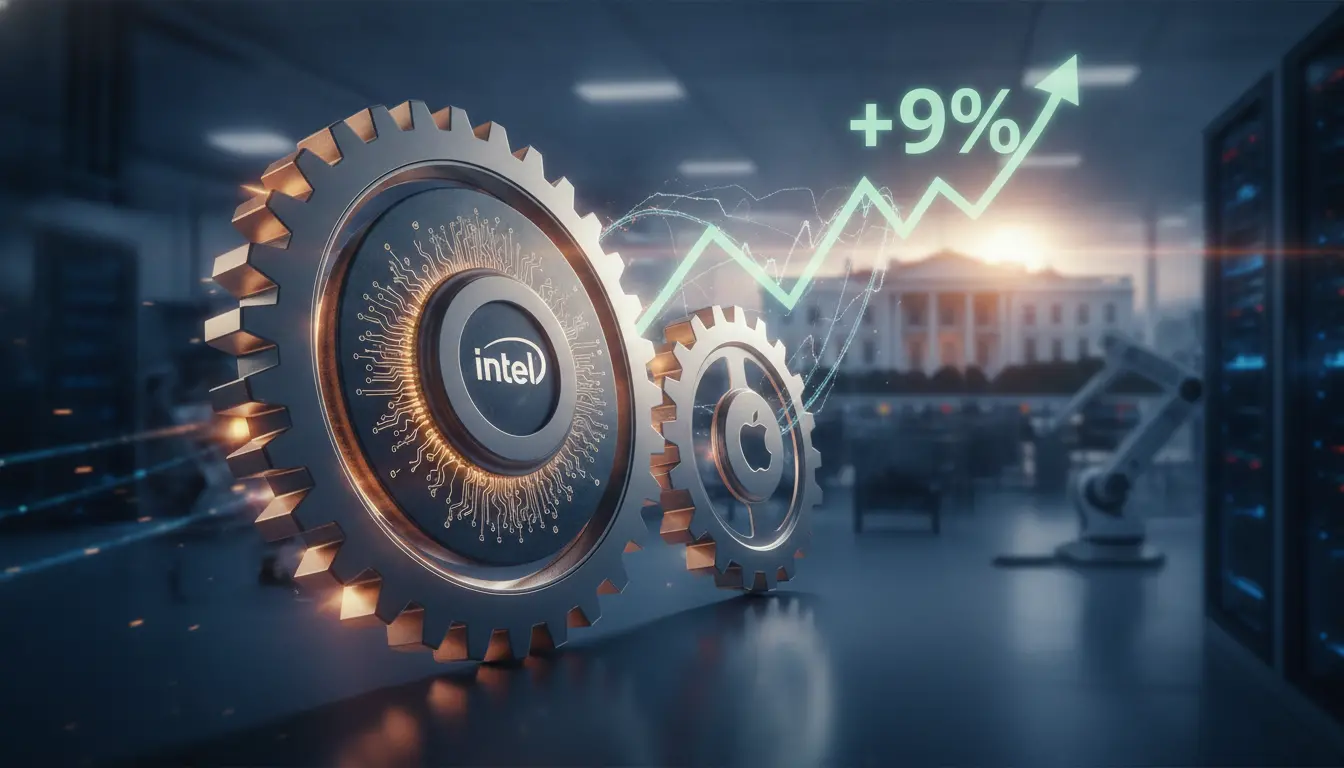
Intel surges 9% after Trump says company will partner with Apple on U.S. chip design

Meta Prepares for Potential Quest Headset Unveil at Connect 2026 Conference