AIai safety & ethicsMisinformation and Deepfakes
Racist AI Content Spreads, Influencing Political Views
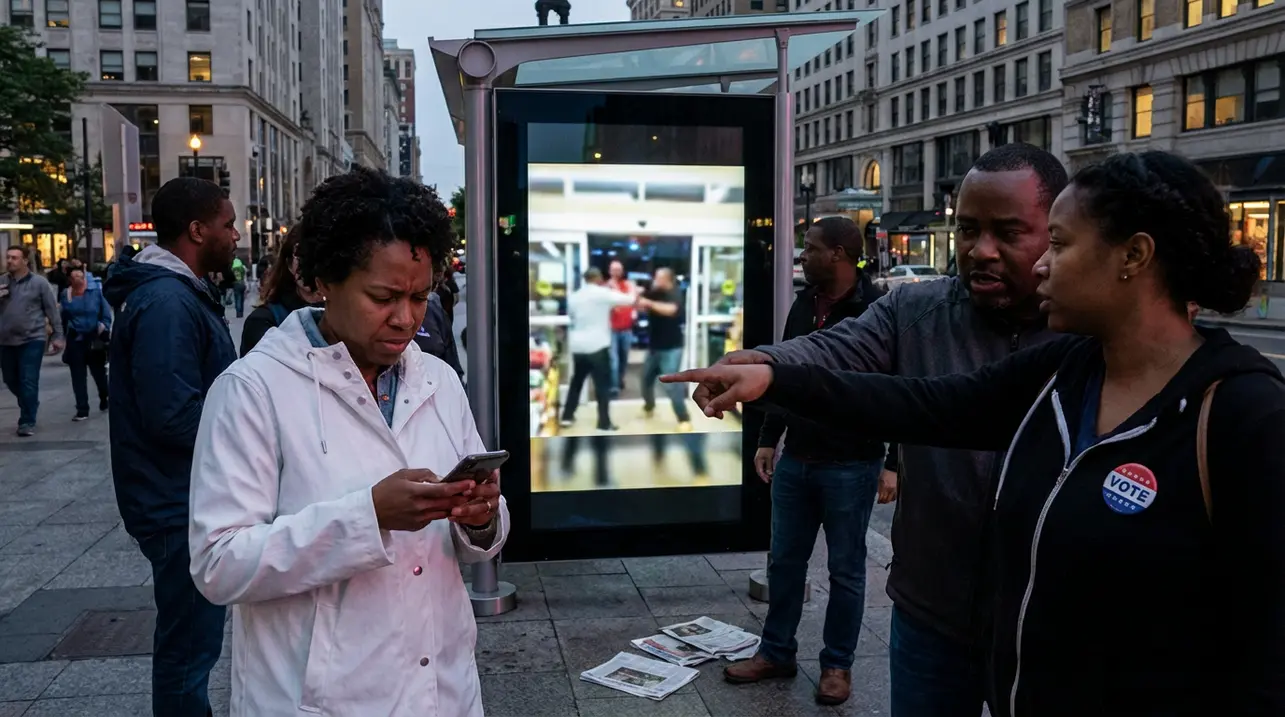
The digital landscape is now a primary battleground for a new and insidious form of influence, where racist AI-generated content is not merely spreading but actively shaping political views. Consider the viral videos: one depicting Black women screaming at a store door, another showing distraught Walmart employees of color being loaded into an ICE van.These are not random acts of digital vandalism; they are sophisticated prompts fed into systems like OpenAI’s Sora and Google’s Veo 3, engineered to exploit existing societal fractures. The ease of creation is staggering—type a sentence, even with typos, and these tools can fabricate a convincing scene in moments.While early AI fakes were betrayed by surreal details like seven-fingered hands, the technology has evolved to a point where visual plausibility is no longer a reliable guardrail. This trend is a malignant evolution of ‘digital blackface,’ where non-Black individuals historically appropriated Black or brown online personas for social capital; now, the motive is often outright disinformation, turbocharged by platforms like TikTok that monetize engagement, creating a perverse incentive for outrage farming.As Rianna Walcott of the Black Communication and Technology Lab notes, the content ‘doesn't even have to be interesting or accurate, it just has to generate viewership,’ making it a potent tool for anyone seeking a quick buck or to sow discord. The consequences are vividly illustrated by the fabricated clips of Black women allegedly abusing SNAP benefits during the government shutdown, which spurred comment sections to celebrate the hardship of families losing assistance.These videos resurrect the vile ‘welfare queen’ stereotype, a racist caricature long debunked by data showing most SNAP recipients are non-Hispanic white, yet they effectively weaponize false narratives to turn public sentiment against vital social programs. Alarmingly, as Michael Huggins of Color of Change emphasizes, even when identified as false, such imagery seeps into the psyche, reinforcing harmful stereotypes.In an era where a significant portion of the populace gets its news from social feeds, the potential to distort democratic processes is profound, with Huggins warning of impacts on midterm and even 2028 presidential elections. This presents a classic Asimovian dilemma of technology outpacing ethical guardrails.While companies point to policies—OpenAI banning slurs or the likeness of Martin Luther King Jr. , and Google prohibiting hate speech—these are reactive measures in an arms race against bad actors.The visible watermarks on Sora outputs and violation reports are steps, but as organizational psychologist Janice Gassam Asare warns, the very perception of this content as ‘fun and games’ is what makes it so deeply harmful. The core challenge is that AI-generated disinformation operates on a scale and speed human moderation cannot match, exploiting algorithmic amplification to make fiction feel like consensus.
#AI-generated video
#misinformation
#political discourse
#racial stereotypes
#social media
#Sora
#Veo 3
#deepfakes
#weeks picks news