Otherreal estateRent and Affordability
Hong Kong sets HK$150,000 subsidy for Tai Po fire victims based on market rates.
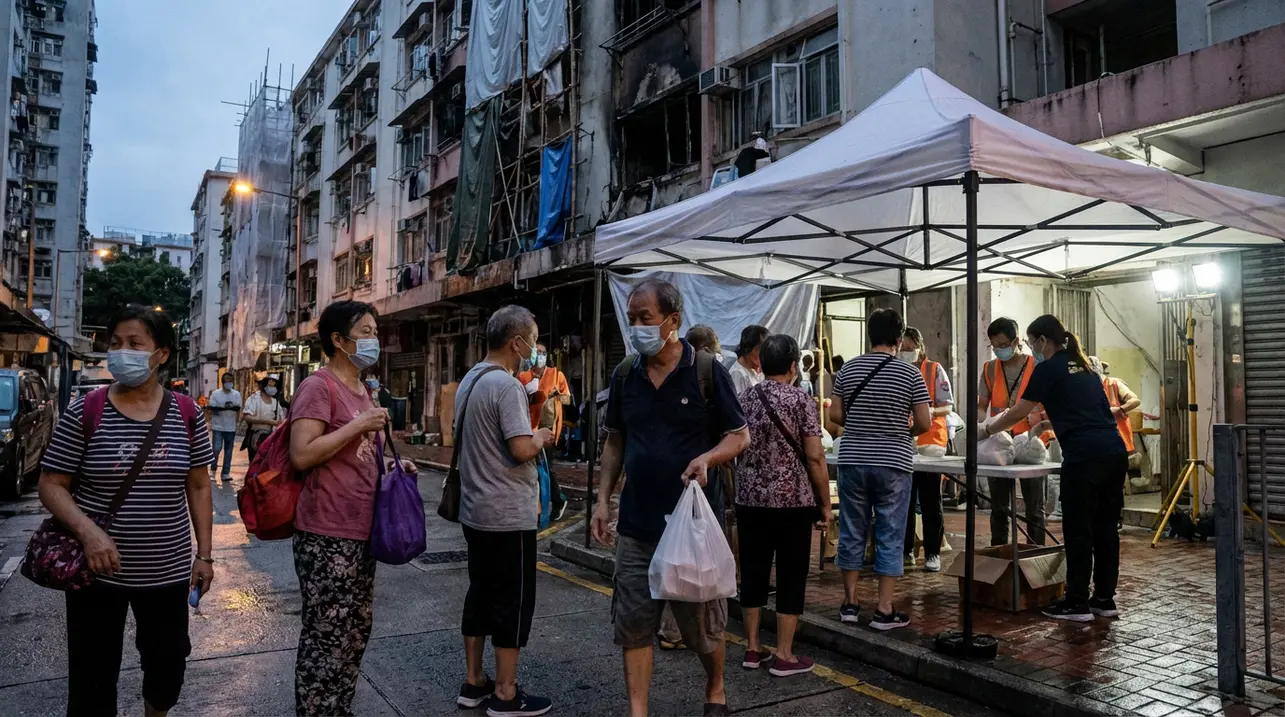
In a move that underscores the delicate balance between crisis response and market intervention, Hong Kong authorities have announced a two-year annual subsidy of HK$150,000 for homeowners displaced by the devastating Tai Po fire, a decision the government says was calibrated using private market rental rates. Home Affairs Minister Siu Chak-yee confirmed the figure was not plucked from thin air but was the product of a cold, hard look at what it actually costs to rent in the area right now, a detail that immediately raised red flags among housing advocates and legislators who fear the HK$1.2 billion package could inadvertently supercharge an already strained rental market. The blaze at Wang Fuk Court, a public housing estate, didn't just destroy homes; it ignited a complex policy dilemma familiar in global urban crises: how do you provide immediate, meaningful relief without distorting the local economy and pricing out other residents? This isn't just a cheque-writing exercise; it's a real-time experiment in social welfare economics, with over a thousand displaced families as its subjects and a city watching to see if the cure proves worse than the ailment.The government's logic is clear—offering a subsidy pegged to market rates ensures victims can find adequate housing without facing financial ruin, a principle of fairness. Yet, critics are sounding the alarm, arguing that injecting such a concentrated stream of cash into Tai Po's private rental sector, without stringent safeguards or parallel measures to increase supply, is akin to pouring gasoline on a smoldering fire.We've seen this script before, from post-hurricane recovery in the US to post-earthquake rebuilding in New Zealand, where well-intentioned disaster payouts led to localized inflation, landlord profiteering, and secondary displacement of low-income communities not directly affected by the original catastrophe. The question hanging over Hong Kong's bustling streets isn't just whether the displaced will find roofs over their heads, but whether this intervention will create a ripple effect of unaffordability for everyone else in the district.Experts in urban policy suggest the government must now move with equal urgency to monitor rental listings and engage landlords, perhaps through temporary caps or moral suasion, to prevent exploitation. Furthermore, this incident lays bare the chronic, underlying pressures of Hong Kong's housing market, where supply shortages have long made affordability a political flashpoint; a disaster merely concentrates that pressure into a single, painful point.The narrative here is one of reactive policy meeting proactive risk—the government's next steps, whether in data transparency, adjusting the subsidy in response to market feedback, or accelerating public housing construction, will determine if this response is remembered as a masterclass in compassionate governance or a cautionary tale in unintended consequences. For the families of Wang Fuk Court, clutching their compensation letters, the subsidy is a lifeline; for their future neighbors and for policymakers from London to Tokyo studying urban disaster response, the coming months in Tai Po will be a critical case study in how to heal a community without breaking its market.
#featured
#Hong Kong
#Tai Po
#fire victims
#government subsidy
#rent market
#housing policy
#Wang Fuk Court