AIai safety & ethicsTransparency and Explainability
Here’s what experts expect from AI in 2026
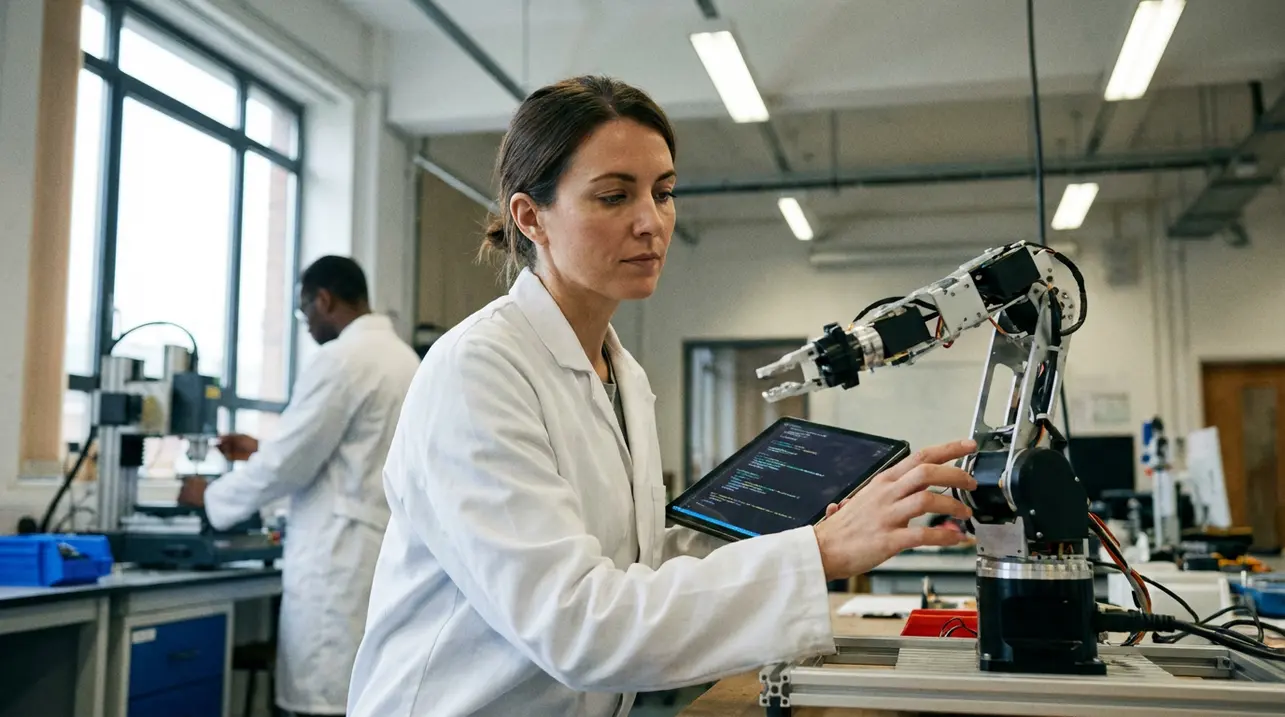
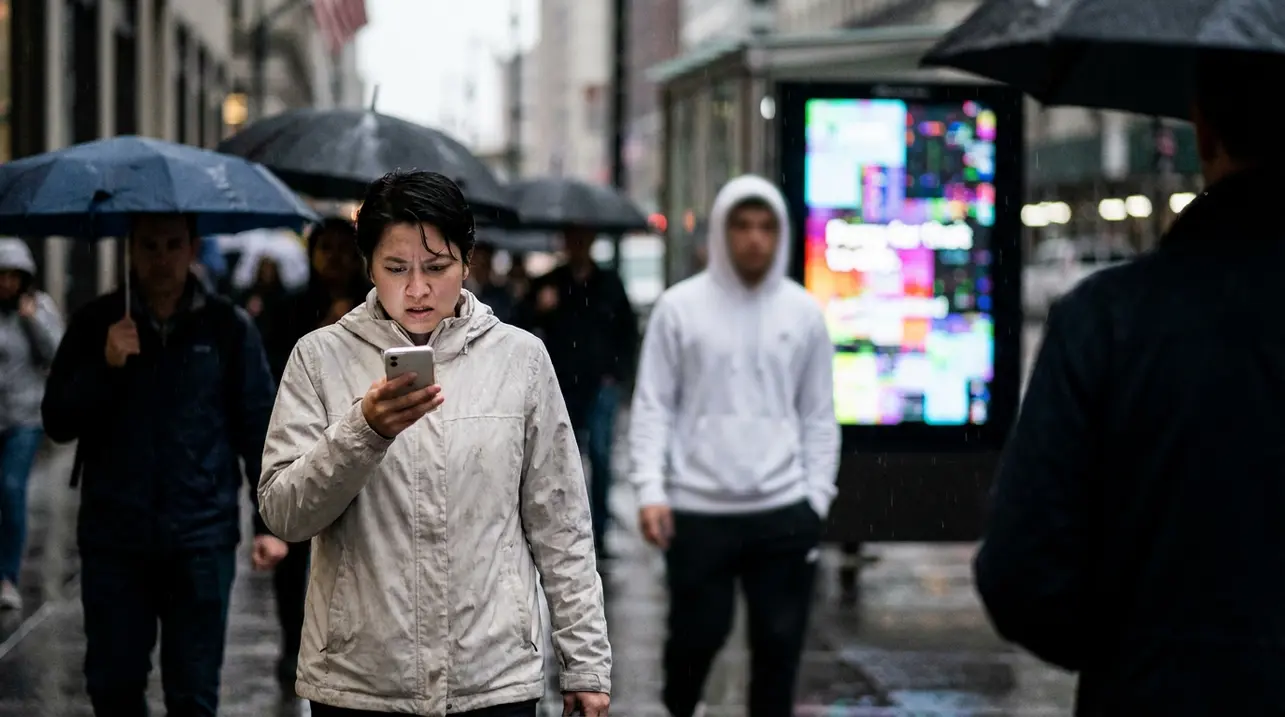
As we stand on the precipice of 2026, the conversation around artificial intelligence has irrevocably shifted from speculative futurism to a tangible, pervasive force reshaping our daily reality. The data is staggering: ChatGPT’s user base, already colossal at 300-400 million weekly users at the start of 2025, effectively doubled by October, a trajectory mirrored by rivals like Perplexity and Google’s Gemini.This isn't merely adoption; it’s a societal absorption, a quiet embedding of algorithmic thought partners into the fabric of work, education, and leisure. Yet, for all its explosive growth, the consensus among forward-looking analysts suggests that what we’ve witnessed is merely the opening act.The year ahead promises to be a crucible where the foundational promises and perils of AI will be tested, moving beyond the chatbot interface into the physical world and the very architecture of our legal and cognitive systems. The bullish perspective, championed by voices like Wedbush’s Dan Ives, dismisses the pervasive chatter of an AI bubble as premature fearmongering.Ives frames the current moment as merely ‘Year 3 of a 10-year cycle,’ arguing that the true consumer AI revolution—propelled by the impending rise of robotics and the vast, untapped frontier of global corporate integration—has yet to truly begin. His projection of a 20% surge in tech stocks for 2026 is predicated on this ‘next stage’ hitting its stride, a vision of relentless build-out where AI becomes as fundamental as electricity.This optimism, however, is deliberately contrasted by more cautionary forecasts that read like pages from an Asimovian primer on unintended consequences. Gartner issues a stark, human-centric warning about an impending ‘atrophy of critical-thinking skills’ driven by over-reliance on generative AI.Their prediction that half of global organizations will mandate ‘AI-free’ skills assessments by 2026 speaks to a dawning recognition of a profound cognitive trade-off. As automation handles more analytical heavy lifting, the uniquely human capacity for independent, creative, and skeptical thought risks becoming both a rare and supremely valuable commodity—a defensive move against what some term a ‘leap in lazy thinking.’ The interface of AI is also poised for a significant metamorphosis. Deloitte anticipates a decisive pivot away from standalone chatbot websites toward AI seamlessly embedded within the applications we already use, most notably search engines.They predict that accessing generative AI through a search query will become 300% more common than visiting a dedicated tool like ChatGPT. This integration represents a normalization and invisibility of AI, moving it from a destination to a utility, a shift that will further accelerate dependence while making the technology less conspicuous and perhaps less scrutinized.
#AI predictions
#2026 trends
#generative AI
#robotics
#AI regulation
#legal issues
#featured