

EntertainmentgamingVR and AR Games
CES 2026: Lenovo's AI Gaming Monitor Raises Cheating Concerns
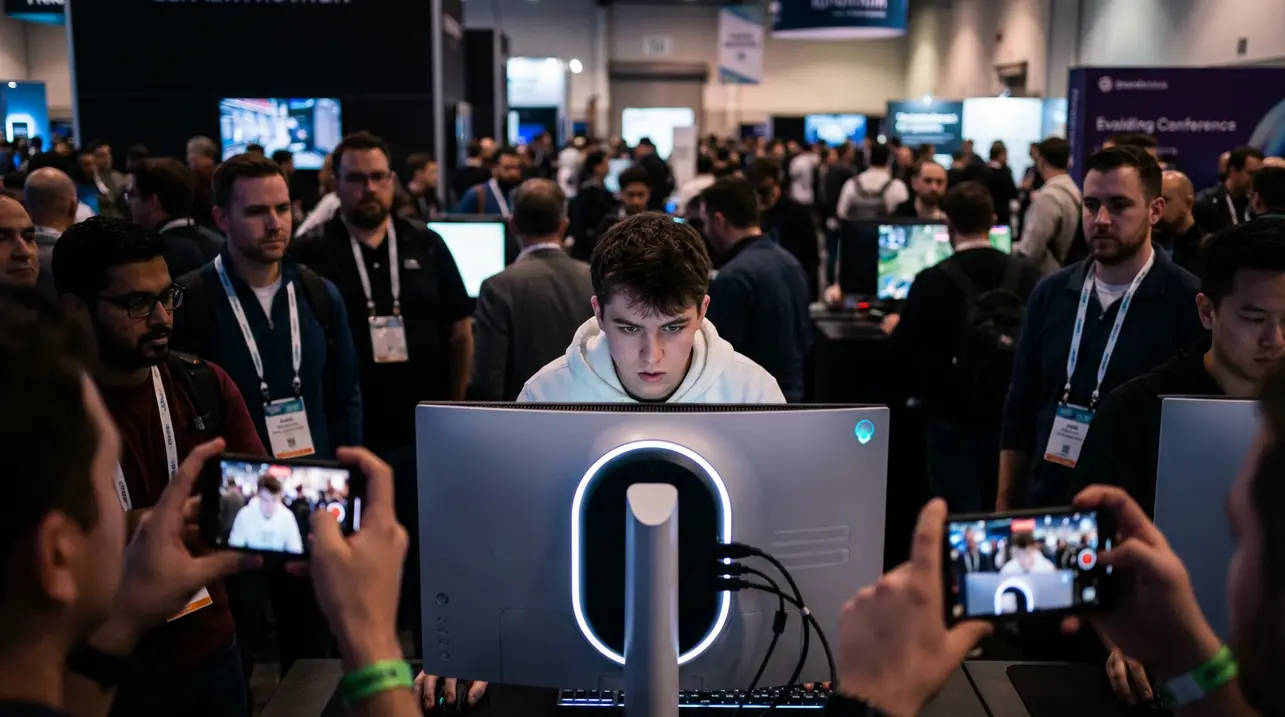
The gaming world is buzzing with a fresh wave of controversy straight out of CES 2026, where Lenovo unveiled a new AI-powered gaming monitor that’s got the competitive scene absolutely divided. The core question is as loaded as a shotgun in a close-quarters fight: is it cool to use artificial intelligence to automatically zoom your reticle onto an enemy’s head in a tactical shooter? Lenovo’s prototype, packed with on-board AI processors, can supposedly analyze the game environment in real-time and subtly adjust your crosshair placement, offering a form of aim assistance that exists not in the game’s software, but in the hardware you’re looking through.This isn’t your grandma’s aimbot; it’s a sophisticated, borderline-philosophical challenge to what we even consider fair play. Imagine booting up a ranked match in *Valorant* or *Counter-Strike 2*, where pixel-perfect flick shots and muscle memory have been the sacred currency of skill for decades.Now, a monitor could provide a microscopic, constant nudge, correcting for human jitter or predictive tracking that feels like an extension of your own reflexes. Pro players and streamers are already hitting the roof on social media, with hot-takes flying faster than sniper rounds.Some see it as the inevitable next step in gaming tech—like moving from 60Hz to 360Hz refresh rates—while others are decrying it as the beginning of the end for competitive integrity, a hardware-level cheat that’s terrifyingly difficult for anti-cheat systems like VAC or Riot’s Vanguard to even detect, since it’s manipulating the visual output, not the game’s code. The historical precedent here is murky.We’ve seen peripheral arms races before: gaming mice with insane DPI, keyboards with hyper-fast actuation, and even chairs that claim to improve reaction time. But this is different.This is the monitor—the very window into the game world—becoming an active participant. It blurs the line between player skill and machine augmentation in a way that feels fundamentally new.If this tech becomes mainstream, tournament organizers like the ESL or for the *Call of Duty* League will face a nightmare scenario. Will they have to provide standardized, ‘dumb’ monitors at LAN events, or will they need to develop new detection methods to scan hardware firmware? The broader context is the relentless push of AI into every corner of our lives, and gaming is just the latest frontier.Companies are desperate to sell the ‘next big thing,’ and ‘AI-enhanced’ is the marketing buzzword of the decade. But the consequence could be a fractured community, where the leaderboards are dominated not by the most talented players, but by those with the smartest—and most expensive—gear. It raises deeper questions about the soul of competitive gaming: is it about human excellence, or is it about leveraging the best tools available, full stop? Until major game studios and esports governing bodies issue clear rules, we’re all just beta-testing a future where your monitor might be the hardest carry on your team.
#editorial picks news
#Lenovo
#AI Frame
#gaming monitor
#CES 2026
#esports
#cheating
#AI ethics
#hardware