Novak Djokovic’s split with the PTPA marks his next chapter of tennis disruption
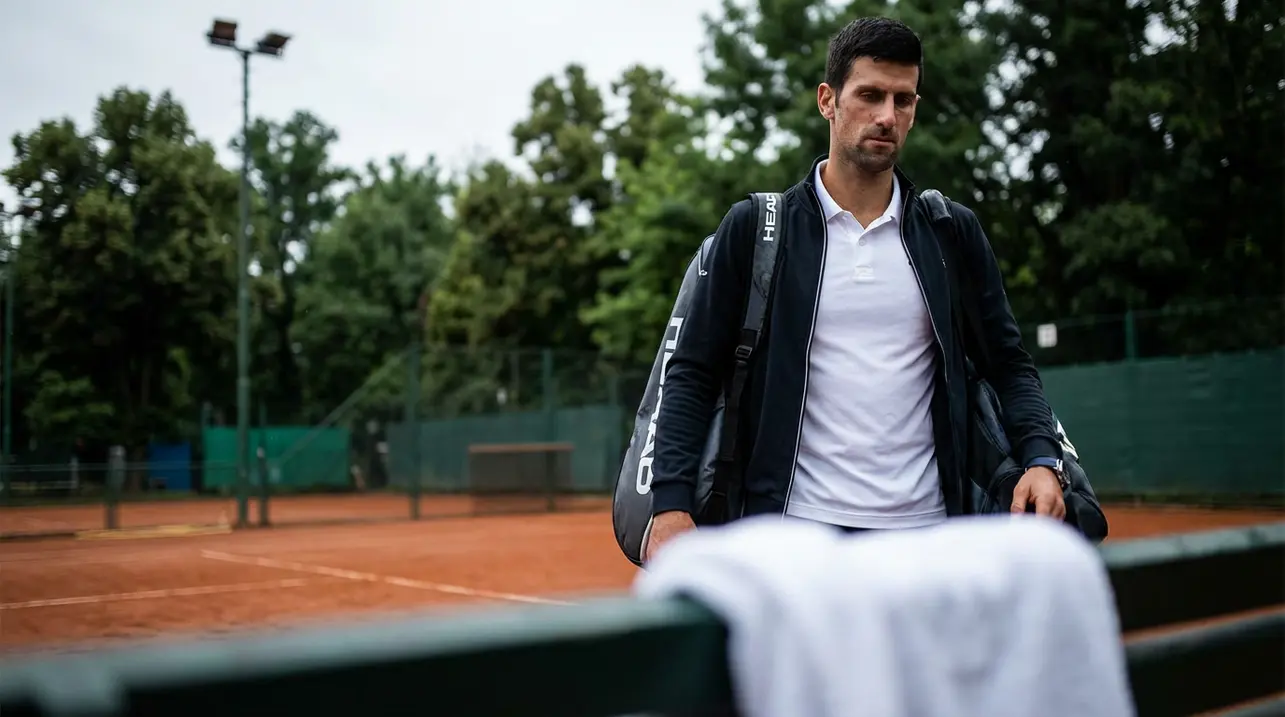
There was a time when Novak Djokovic relished the role of tennis’s ultimate disruptor, a mantle he wore as comfortably as his Grand Slam-winning kit. On the court, his mission was clear: topple the duopoly of Roger Federer and Rafael Nadal.He didn't just join their party; he flipped the entire buffet table, methodically surpassing their records for major titles, Masters 1000 victories, and weeks at world No. 1.Now, with only Jimmy Connors’s elusive title record in sight, Djokovic’s on-court revolution is nearly complete. Yet, his latest move—a decisive split from the Professional Tennis Players’ Association (PTPA), the off-court vehicle for his disruptive ambitions—signals a profound strategic shift as profound as any backhand winner down the line.In August 2020, with tennis frozen by the pandemic and player frustrations over pay and governance boiling, Djokovic made his power play. He resigned as president of the ATP Player Council, where Federer and Nadal held sway, and co-founded the PTPA with Vasek Pospisil.This was his off-court buffet-flip moment, proposing an independent body for players, styled as contractors, to challenge the entrenched power-sharing model of the ATP, where player and tournament reps were locked in a perpetual stalemate broken only by the chairman’s vote. For over five years, the PTPA became Djokovic’s parallel project, a quest to leave the sport better for the next generation through increased prize money, scheduling freedom, and genuine operational influence.But the landscape, and Djokovic himself, evolved. The relentless winner in his mid-30s transformed into the sport’s elder statesman, a sentimental crowd favorite whose legacy was being etched in stone, not just trophies.This new role clashed violently with the PTPA’s increasingly adversarial path, which culminated in aggressive antitrust lawsuits against the ATP, the Grand Slams, and the sport’s governing bodies. For Djokovic, the calculus changed.Being a named plaintiff in a legal ‘battering ram’ operation, as these suits inherently are, meant being seen as ‘against tennis’ itself—a terrible look for a legend eyeing statues and a graceful exit. The conflicts were everywhere: criticising the ATP while his family runs an ATP event in Athens; partnering with Saudi investors, who are now major tour backers, while advocating for player rights; revering Wimbledon and the Australian Open while his own association sued them.His statement on Sunday pointed to concerns over “transparency, governance, and the way my voice and image have been represented,” a diplomatic exit from a fight that threatened to define his final act. The PTPA’s pushback, alleging a “coordinated defamation and witness intimidation campaign,” only highlights the messy, high-stakes war Djokovic is leaving behind.The question now is existential: can the PTPA survive without its founding star? Its for-profit arm, Winners Alliance, has investors like Bill Ackman, but it also has baggage, including involvement in the bankrupt Grand Slam Track league. Executive Director Ahmad Nassar must now steer a ship that has lost its most powerful flag-bearer, a blow that could spook partners and investors even if the legal battles proceed.For Djokovic, this is a conscious uncoupling. With Carlos Alcaraz and Jannik Sinner ushering in a new on-court era where disruption is unlikely, he has chosen to complete his legendary career on his own terms, setting up a post-retirement life free from the grind of institutional warfare. His days as disruptor-in-chief, both on and off the court, appear to be over, closing a chapter defined by overturning tables and opening another focused on cementing his immortal status in the sport’s pantheon.
#Novak Djokovic
#PTPA
#tennis governance
#player rights
#antitrust lawsuit
#featured